
Prosecco Labels, Explained
Anytime, anyplace, anywhere! Discover why Prosecco isn’t just Italy’s top of the pops and how this great value, incredibly versatile fizz adds a gently fresh, joyous sparkle to any occasion …
My first taste of Italy’s popular party pop was at 30,000 feet.
It wasn’t glamorous. I was on an economy flight from Zurich to Lugano. But shortly after take-off, the cabin crew served up a complimentary glass. I’ve no idea if it was standard Prosecco DOC or a top level Superiore di Cartizzeone. I just remember it was delightful. Fresh, crisp, joyously fruity. A perfect, late morning pick-me-up. ‘Elevensies’ had never tasted so good.
Most recently, I sipped a chilled glass in a yurt, in the Dorset countryside. It had been mixed with syrup to make a softly sparkling, ginger and pear Bellini. Equally delicious. Originally made with peach puree, the Bellini was invented in 1948 by Giuseppe Cipriani, the owner of Harry’s Bar in Venice. It quickly became the early evening cocktail of choice for the A-list celebrities of the time.
Flash forward to today and Prosecco is also a key ingredient for another smash hit aperitivo. According to Forbes magazine, Aperol Spritz is America’s favourite cocktail. And points to another reason for Prosecco’s success. Lower alcohol! Perfect for a non-threatening, post work ‘buzz’.

So, how is Prosecco made?
Like those other Italian sparklers Lambrusco and Asti Spumante, Prosecco is made using the Charmat method.
This is also known as the tank method. That’s because the bubbles are trapped in the wine via carbonation in large steel tanks. It’s a process that helps preserve the fresh, fruity flavours and delicate bubbles that make Prosecco so popular. (With Champagne, Cava and Crémant, the second fermentation occurs in individual bottles.)
After the fermentation in the tank, the wine is filtered and bottled under pressure to maintain the effervescence. This method is more cost-effective and quicker than the traditional Champagne method, resulting in a lighter, less complex flavour profile. And a much lower price for you.
So, although Prosecco and Champagne are both sparkling due to the carbon dioxide released during fermentation, each are made using different methods.
And of course there is a big difference in terms of where they come from and the grapes used too!
What grapes go into Prosecco?
Prosecco is made from the Glera grape. However some winemakers will include additional varieties, such as:
- Verdiso: A local variety that can enhance the acidity and freshness of Prosecco.
- Bianchetta Trevigiana: Another local variety known for adding floral notes and additional complexity.
- Perera: Contributes to the wine’s pear-like flavour and aroma.
- Chardonnay: This international star adds structure and depth.
- Pinot Bianco (Pinot Blanc): Offers elegance and finesse to the blend.
- Pinot Grigio (Pinot Gris): Can impart a richer texture and complexity.
- Pinot Nero (Pinot Noir): Used mainly in producing Prosecco Rosé, giving it a pink hue and additional berry flavours.
But Glera must legally make up 85% of the Prosecco blend.
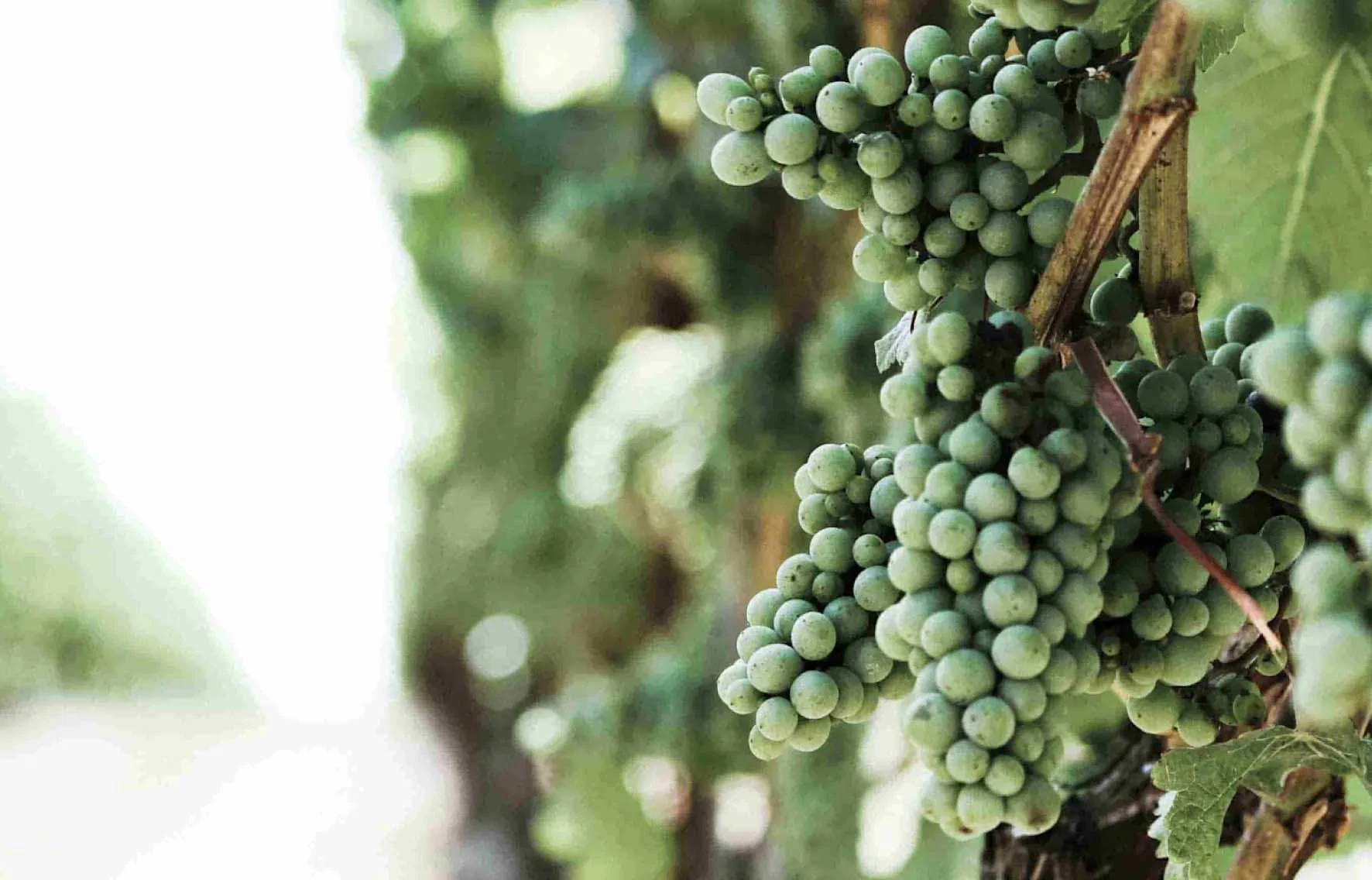
Meet Glera: The Grape Behind Prosecco
This late-ripening, aromatic, green-skinned star has been cultivated in northern Italy for centuries. Loved for its light, crisp character and bright, citrusy, floral flavours, it is the cornerstone of Prosecco production. Indeed it was long known as the Prosecco grape.
However, this caused a problem. With the grape and sparkling wine sharing the same name, the valuable brand ‘Prosecco’ couldn’t be legally protected. Any producer from another part of Italy – or anywhere in the world for that matter – could grow the Prosecco grape, and call their wine Prosecco.
So, in order to maintain high standards of quality and protect the image of Prosecco, it was renamed.
In 2009, new laws restricted the area of production and gave its principal grape the new name of Glera. The new regulations transformed Prosecco into a geographical place-name. It may not be used as a wine style or name of a grape. Just as Champagne can only come from one region in north east France, Prosecco can only come from one region in north east Italy.
Is Prosecco dry or sweet?
It can be both – and everything in between! Prosecco has six different levels of sweetness:
Brut Nature – this is the driest style of Prosecco, with a clean, crisp profile.
Extra Brut – slightly sweeter than Brut Nature, but still a dry style.
Brut – balances dryness with sweetness, making it one of the most popular sweetness levels.
Extra Dry – contrary to the name, this style falls on the sweeter end of Prosecco and is one of the most popular sweetness levels.
Dry – you’ll definitely notice more sweetness here, the extra residual sugar making it ideal for those who enjoy a sweeter sparkling wine.
Demi-Sec – the sweetest style, perfect for pairing with desserts.
And where exactly does Prosecco come from?
Talk about picture-postcard pop!
Prosecco comes from the provinces of Veneto and Friuli Venezia Giulia. Stretching from the snow-capped Alpine reaches of the Dolomites to the sun-kissed waters of the northern Adriatic, this north eastern corner of Italy is home to stunning seafronts, mountains, countryside and architecture – from summer country houses to magnificent castles. The ideal setting for Italy’s favourite fizz. No wonder some believe that Prosecco is the real essence of Italy’s ‘la dolce vita’ – the good life!
The official production areas for Prosecco are Prosecco DOC, Asolo-Prosecco DOCG and Conegliano-Valdobbiadene Prosecco DOCG.
Each Prosecco production area has its own particular conditions – from breezy Alpine mountain slopes to humid plains on the Adriatic coast. As a result, the wines offer quite different flavour profiles and quality levels.
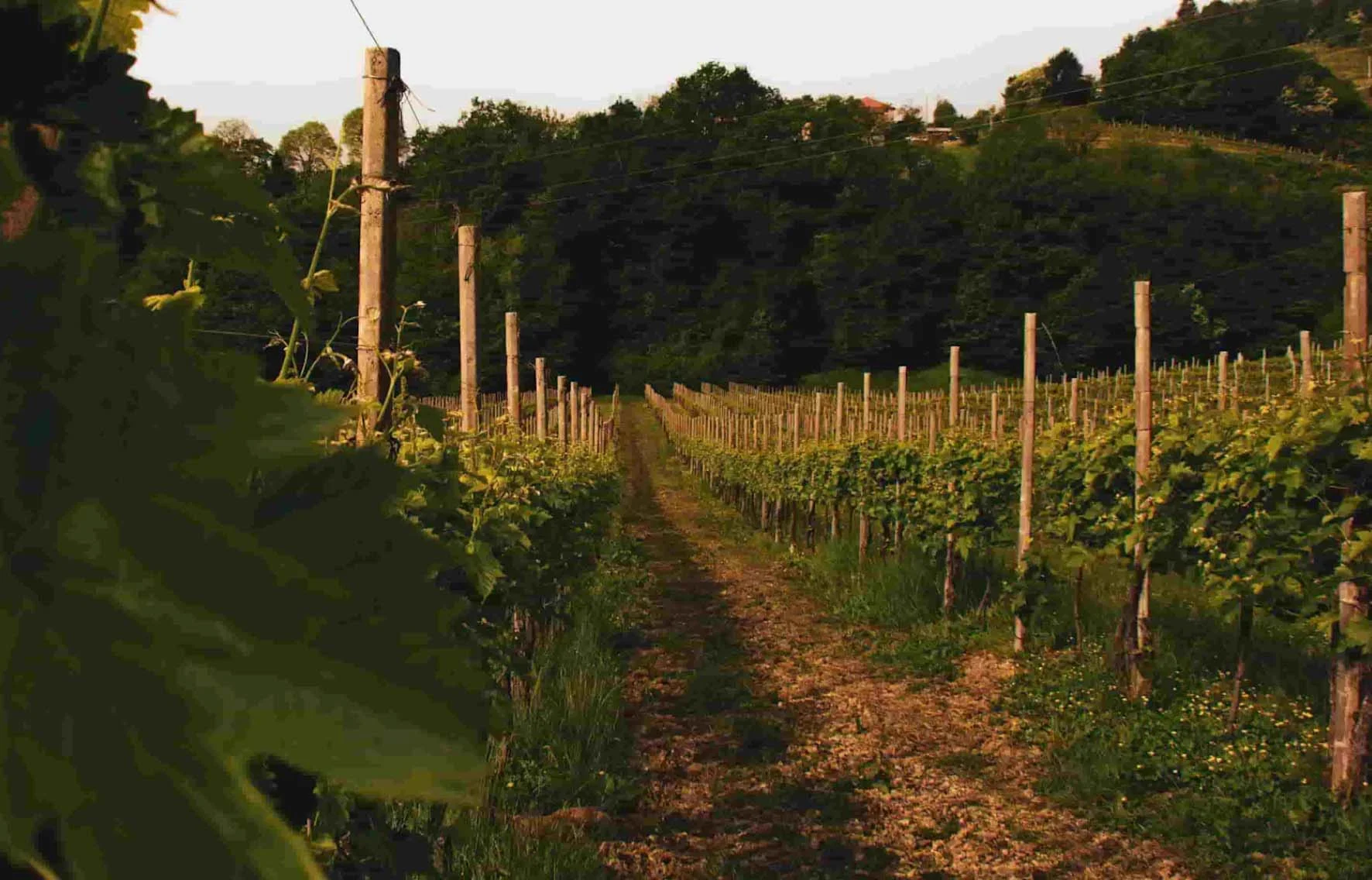
How to choose your Prosecco
Well, let’s find out how they differ. At the base of the Prosecco quality ‘pyramid’ is:
Prosecco DOC
The territory of Prosecco DOC covers five provinces in north Veneto, and four in Friuli Venezia Giulia. In the Veneto, there are: Belluno, Vicenza, Venezia, Treviso and Padova. While in Friuli-Venezia Giulia, you’ll find Gorizia, Trieste, Pordenone and Udine. It is Italy’s most successful sparkling wine denomination, with over 400 million bottles produced each year.
Prosecco DOC is refreshing, with delicate aromas of green pear, peach, melon and white flowers. Although the lightly sparkling style (frizzante) is allowed, the most popular style is fully sparkling (spumante), with persistent bubbles.
Two production areas for Prosecco DOC wine are especially unique. Because their grape-growing conditions are very distinct from the rest of the Prosecco DOC denomination, they get their own mention on the label: Presocco Treviso DOC and Prosecco Trieste DOC.
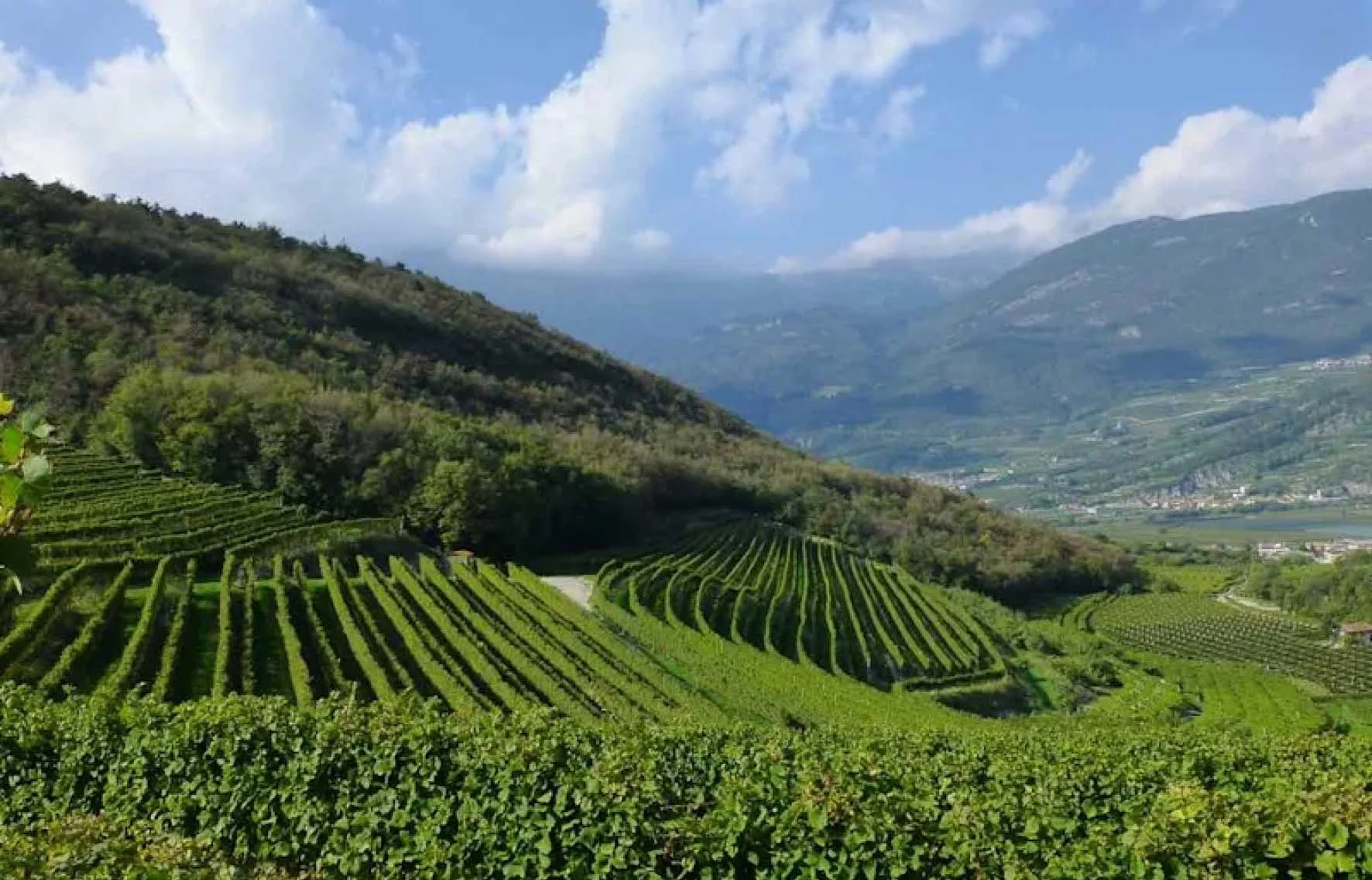
The Pinnacle of Prosecco: DOCG Superiore
Going up a notch to the next level on the Prosecco ‘quality’ pyramid, you have:
Asolo Prosecco DOCG
On the right bank of the Piave river, the Asolo wine appellation covers two ranges of hills: Colli Asolani (the Asolo hills) and Montello. The vineyards here are planted at altitudes of between 200-300 metres. But being in the foothills of the Venetian Prealps, they are protected from the northerly winds. The milder weather means the grapes develop into ripe, supple wines with richer aromas. Expect these Proseccos to deliver flavours of yellow apple, ripe peach, Cantaloupe melon, banana, daffodil flower, and vanilla.
Conegliano Valdobbiadene DOCG
Now, let us head over to the other side of the Piave river and the next step up in quality.
The Conegliano Valdobbiadene is Prosecco’s historic heartland. The appellation received official recognition in 1969 as DOC, and in 2009 was promoted to DOCG status. DOCG stands for denominazione di origine controlata e garantita. This means that Conegliano Valdobbiadene – Prosecco DOCG is made to much stricter winemaking rules than Prosecco DOC.
Here you will find high-quality Prosecco wine with concentrated flavours. Vineyards are planted on steep mountain slopes, and grapes retain more acid and develop complex aromas. Enjoy green pear, ripe yellow apple, stone fruit, and white flowers flavours, complemented by a persistent mousse.
And for the very finest Prosecco...
Look for Superiore di Cartizze on the label…
The Cartizze valley is tiny, measuring only about 1.5 by 1.5 km. It lies 2 km east of the town of Valdobbiadene. It is the only subzone of Conegliano-Valdobbiadene Prosecco DOCG. And while Conegliano-Valdobbiadene Prosecco DOCG is one step above standard Prosecco DOC, Cartizze Superiore is considered even better. It has highly concentrated and complex aromas with flavours of jasmine, honeysuckle, grapefruit rind, yellow apple, ripe pear and almond.
If you see the term “Superiore”, it means the wine is made in the spumante (fully sparkling) style.
Whereas “Millesimato” is single vintage Prosecco. If you see this term on the label it means that this wine is made from grapes harvested in the same year. This is notable because it’s a standard practice in sparkling wine production to blend wines from previous years to achieve the desired house style.
We stop at nothing to bring you great wine
At Laithwaites, we have a wide of Proseccos for you to choose from. They include alcohol-free and organic versions and come in handy party sized magnums too. You can also check out other styles of both Italian fizz and sparkling wines from across the world.
About the author
Richard Bull
Although good at running up hills, Richard failed to make the military cuvée and turned instead to the drinks trade. After stints at Hennessy, Oddbins and Grants of St James, he arrived at Laithwaites. Here, he spent 15 years writing about real wine and the people who make it. As he wrote from the desk to your door, he was lucky enough to visit vineyards in France, Italy, Spain and Kent.
Qualified to WSET Level 3, Richard loves the off-the-beaten track reds of the Languedoc - but is currently obsessed with Greek wine, particularly their super crisp whites.