
Red WineWhite WineRosé WineChampagne & SparklingFine WineBin Ends View All OffersMixed CasesMedal WinnersBestsellersTop RatedOnline CatalogueNEW vintage: enjoy Saint-Émilion quality for much lessWine rack essentials – just £7.99 a bottles20% OFF top Chenin from ‘Loire Winemaker of the Year’30% OFF No.1 Kiwi Sauvignon Mussel PotNo.1 luxury South African white Queen Bee – 20% OFFNEW release: 25% off the white that time forgotElite Pinot Grigio from 100-point winemaker – 25% OFFBumper Pinot Grigio deal! Just £8.33 a bottleRed WineWhite WineRosé WineChampagne & SparklingNo and Low AlcoholDessertFortifiedWine BoxesMiniaturesHalf BottlesView All WineFranceItalySpainPortugalAustraliaNew ZealandBordeauxBurgundyCavaChateauneuf Du PapeMargauxRiojaBeaujolaisChablisSancerreNapa ValleySauvignon BlancPinot GrigioMerlotMalbecPinot NoirChardonnayCabernet SauvignonRipe Smooth RedsFirm Structured RedsLight Juicy RedsCrisp Fresh WhitesRich Round WhitesPale Dry RoséBright Fruity RoséChampagne or similarFresh Fruity FizzWhat's your wine style?Red WineWhite WineChampagneEnglish SparklingDessert WineBurgundy 2024 En-PrimeurFine Wine HubView All Fine Wine Up to £5.99£6 - £7.99£8 - £9.99£10 - £14.99£15 - £24.99£25+RedWhiteRoséSparklingBestsellersBlack RedsAll Mixed CasesTrioSixTwelveBulk DealsNew Zealand Sauvignon Showcase – SAVE £54Party-ready Prosecco Six – just £8.99 a bottleClassic Bordeaux, crisis price – just £10.99 a bottleMeet your must-have Provence rosés! 30% OFFBig, rich, bold Argentinian Malbec – £12 OFFBumper Pinot Grigio deal! Just £8.33 a bottle15-bottle white wine essentials – just £7.99 a bottleAdd-on beer deal! 20% OFF Loose Cannon beersIconic Whispering Angel now just £19 a bottleSmooth Merlot Mix just £8.99 a bottle12-month Bestsellers price cap deal!Vineyard PartnersWine Gift SubscriptionsHow subscriptions workBenefits of joining a Wine ClubManage my SubscriptionsUnlimitedUnlimitedRed Wine GiftsWhite Wine GiftsSparkling GiftsGift hampersChocolate GiftsGift Boxes & AccessoriesBeer GiftsCheese & WineGift cards All GiftsEaster giftsBirthdays Congratulations Wedding Thank You Engagement Anniversary Corporate GiftsFor HerFor Him Under £30Under £50Under £100Over £100GinBrandyWhiskyVodkaRumTequilaBin EndsView All SpiritsAll BeerLagerIPABeer Mixed casesBeer OffersCiderCider OffersHawkstone - beer from Clarkson's FarmLoose Cannon - Craft beer from the heart of OxfordshireSipsmith - spirits of quality and characterWine Festival - ManchesterPartner Events Taste with Laithwaites - In StoreBordeaux Tasting TourWine Festival - LondonAbout & FAQ'sAll Events Wine GuidesUnlimitedWedding ServiceCorporate ServicesCorporate GiftsContact UsStore FinderEvents in StoreWhat's Your Wine Style?Food Pairing Guide for Alcohol-Free WinePairings for Vegan & Vegetarian DishesCrémant - The unsung hero of French FizzHow To Perfectly Pair Cheese and WineFood & Wine PairingsCelebrating Special OccasionsLearn About WineExplore all articlesWine Shop by Telegraph Media GroupThe Kew Series by LaithwaitesBritpop by Alex JamesEnglish Heritage SeriesGood Food and LaithwaitesView all partnersBROWSE ALL WINES
  • Home
  • blog
  • learn
  • A Complete Guide to Sherry


A sherry renaissance is sweeping the UK, with wine lovers discovering that sherry is not a single style of wine, but an entire spectrum – from the crisp, bone-dry Finos and Manzanillas, to the wonderfully rich, dark and sweet Pedro Ximénez.

Ready to move past the myths? The secrets of sherry are about to be revealed.


What is Sherry?

With a history spanning centuries, sherry originates in Jerez, southern Spain. Under Spanish law, only fortified wines produced in the ‘Sherry Triangle’ can be labelled as sherry. This area in the province of Cádiz is framed by three towns: Jerez de la Frontera, Sanlúcar de Barrameda and El Puerto de Santa María.

Within this unique geographic triangle, the specific climate and chalky soil known as ‘albariza’, play a key role in cultivating the three primary grape varieties used in sherry production – PalominoPedro Ximénez and Moscatel.

Fun fact: The name "Sherry" is an Anglicisation of the Arabic word 'sherish' (which itself came from 'Jerez'). It was made fashionable after Sir Francis Drake introduced it to Queen Elizabeth I’s court in the 16th century.

Jerez, Spain

How sherry is made

A distinctive process steeped in tradition, sherry production requires careful grape selection, specialised fermentation and a unique maturation method known as the Solera System. The journey from vine to bottle involves time-honoured practices and careful craftsmanship. Here’s how it’s done:

1. Grape selection

Most sherry wines are made with the Palomino grape. Its high acidity and neutral profile make it the perfect canvas for the wine’s unique ageing process and the intricate flavours this imparts. Moscatel and Pedro Ximénez grapes are used for the sweet varieties of sherry.

2. Fermentation

Once harvested, the grapes are pressed, and the juice is fermented often in stainless steel vats, although traditional winemakers prefer to ferment the wine in old wooden casks for the extra character it gives.

3. Fortification

The result is a base wine which is then fortified with grape spirit. If destined to become a Fino or Manzanilla, it’s fortified to about 15% alcohol. For Oloroso sherries, the wine is fortified to about 17-18% alcohol.

4. Ageing – the Solera System

Sherry's distinctive character is largely due to the Solera System, a unique ageing process involving continuous, fractional blending across a series of barrels. Wine is extracted from the oldest barrels ('solera') and replaced with slightly younger wine from the tier above (‘criaderas’), which is then topped up with new wine. This continuous process ensures a consistent flavour and style year after year.

Seven types of sherry to explore

Sherry is a unique wine that comes in seven different styles. Why not get to know them all?

1. Fino

The epitome of dry sherry, Fino is very dry, pale wine with a yeasty and nutty profile. It pairs beautifully with tapas, seafood and cured ham.

2. Manzanilla 

A fino style exclusively produced in the seaside town of Sanlúcar de Barrameda, this light, dry sherry is reminiscent of salty ocean spray and carries a floral chamomile tone. This makes it an excellent partner for seafood, olives and almonds. As it’s a dry, delicate wine, it’s best enjoyed within a day or two of opening.
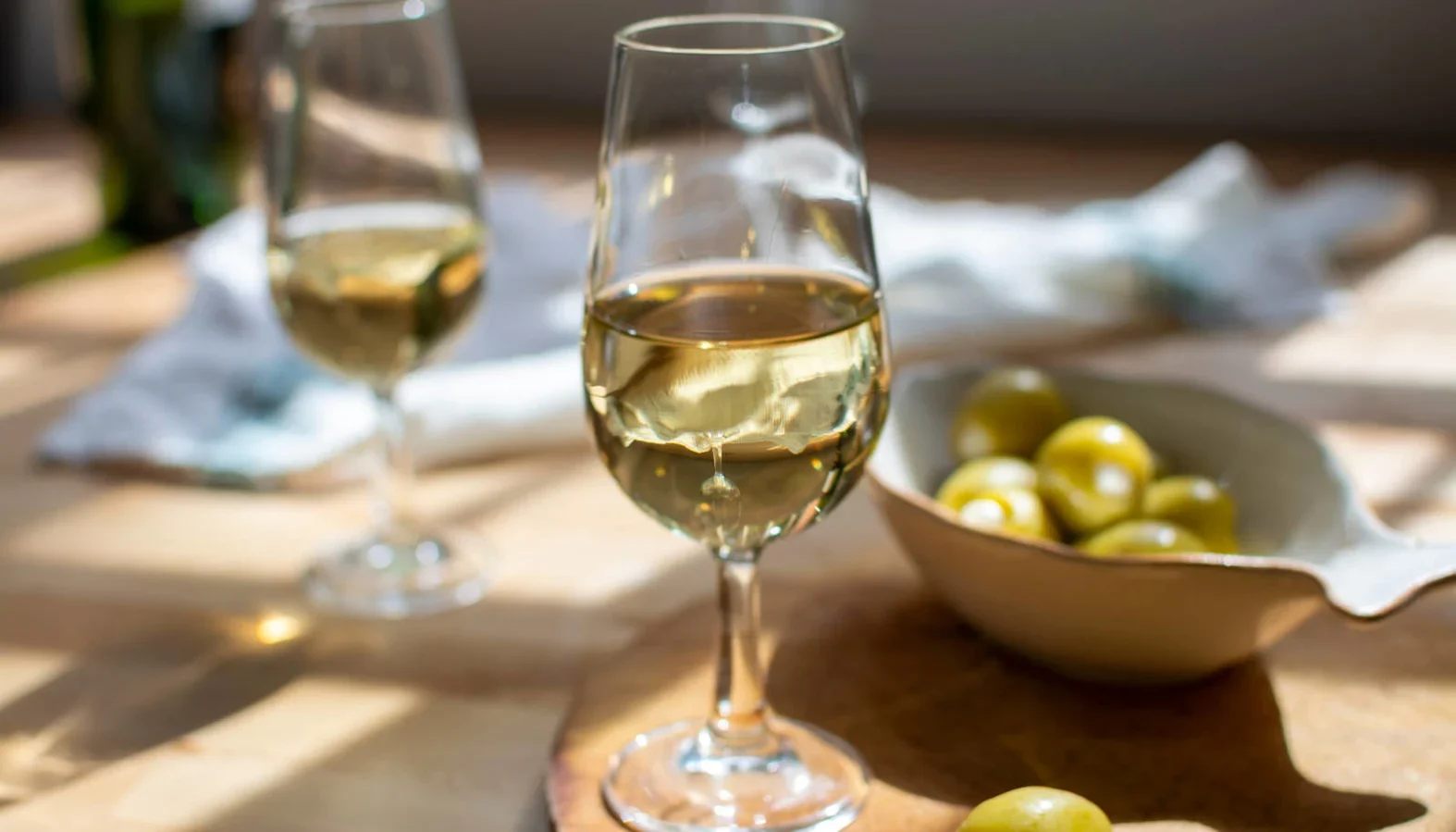
3. Amontillado 

Beginning life as a Fino, Amontillado spends several years in the solera system before being fortified to a higher alcohol content. It has a unique amber colour and complex notes of roasted nuts, tobacco and dried fruit, and pairs brilliantly with a fricassee of wild mushrooms, richly sauced chicken, aged cheese like Manchego or reserve Comte or classic jamón Ibérico. 

4. Oloroso

This is a full-bodied, dark and complex wine, with intense dried fruit, caramel and roasted nut flavours. Naturally dry, Olorosos may occasionally be sweetened with a little Pedro Ximénez for balance. Oloroso is perfect with red meats, game and aged cheese.

5. Palo Cortado

This is a rare sherry, as it can’t be deliberately made. It starts its life under flor just like a Fino; however, if the flor starts to fade, the sherry naturally begins to evolve like an Oloroso. The end product is a fabulous, elegant sherry, with amazing layers of rich, complex flavours. Palo Cortado pairs well with cured cheeses, meats and umami-rich dishes or simply for sipping solo.

6. Cream sherry

Cream Sherry is a blend of Oloroso sweetened with other wines such as Pedro Ximénez or Amontillado and can be deliciously complex. Its dark, rich, sweet profile makes it excellent with desserts, blue cheese or foie gras.

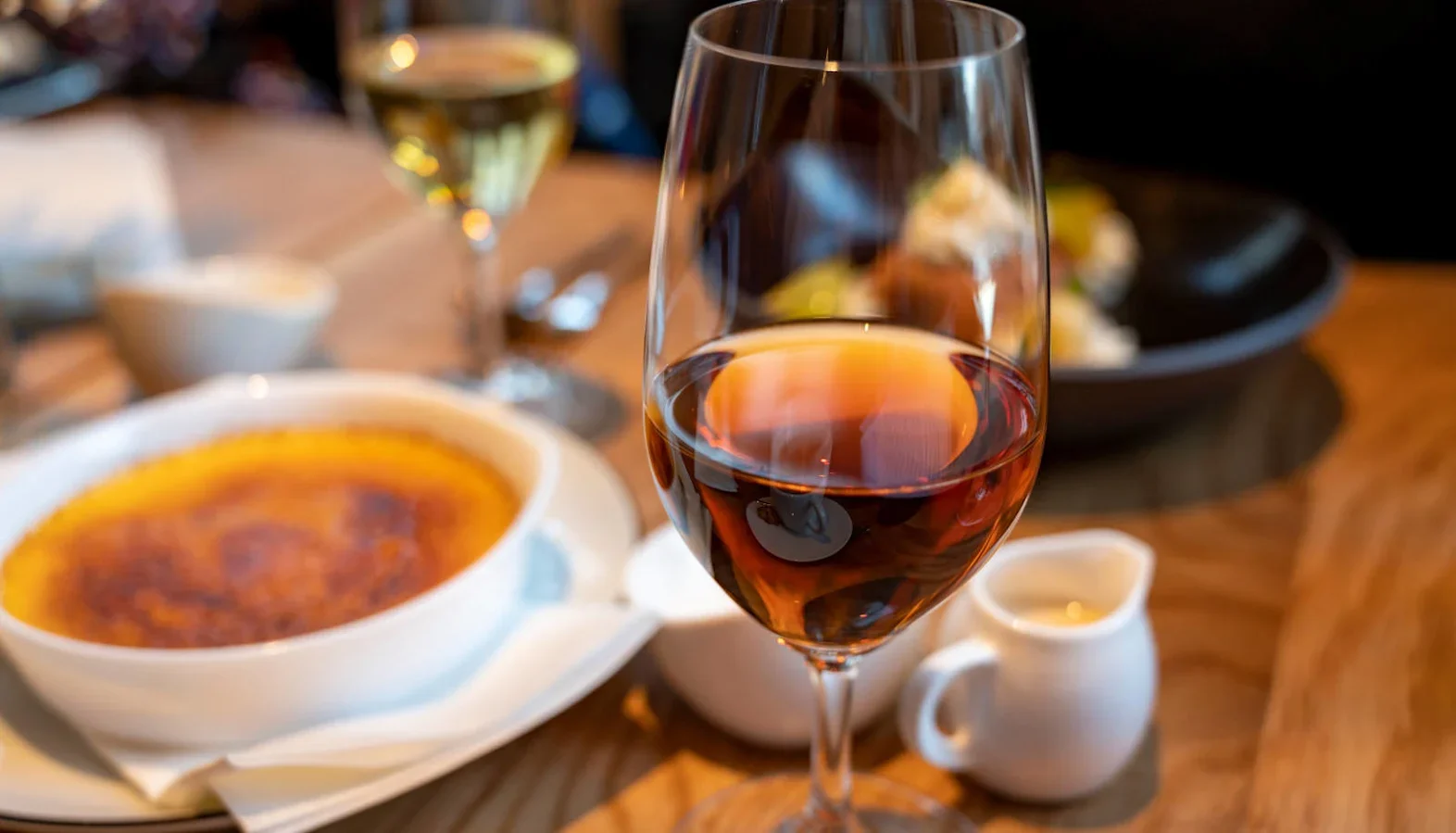
7. Pedro Ximénez

Created by sun-drying Pedro Ximénez grapes to concentrate the sugars before fermentation, this is a rich, sweet and dark dessert wine with intense flavours of dried fig, raisin and molasses. Drink a glass on its own or enjoy it poured over ice cream. Try Delicado Pedro Ximénez sherry, a rare special edition.
Shop All Sherry

Serving Sherry Like a Sommelier - our top tips

When it comes to glassware, choose a small wine glass or a traditional Spanish Sherry copita that help funnel the aromas towards your nose.

Be mindful of the measure of sherry in your glass, as it has a higher alcohol level than wine and is typically poured in smaller amounts – usually around 90-120ml.

While there are no strict rules about the serving temperatures for sherry, you can follow some general recommendations:

  • Serve Finos and Manzanillas chilled, ideally between 5°C-7°C. This temperature will preserve its freshness and delicate aromas.
  • Pale Cream is best served slightly warmer, at temperatures between 7°C-9°C.
  • For sherries such as Amontillado, Oloroso, Palo Cortado and Cream, a cellar cool temperature range of 12°C-15°C is recommended.
  • For sherries categorised as VOS (Vinum Optimum Signatum / Very Old Sherry) and VORS (Vinum Optimum Rare Signatum / Very Old Rare Sherry), aim for a temperature of around 15°C degrees. 

Explore our christmas shop

Unwrap special offers on all your festive essentials, or treat your family and friends to our handpicked selection of luxury wine and sparkling gifts.

Shop Christmas Offers

About the author

Chris Larkin

A seasoned copywriter with over two decades experience, Chris has been part of the team since 2021. At Laithwaites HQ, you’ll find him either working on our latest catalogue or creating informative content for our website. Qualified to WSET Level 3 Wine, Chris is as geeky about wine as he is about copywriting. But when it comes to choosing a special bottle, he is a traditionalist, and loves a good Bordeaux or Mâcon Chardonnay.

money back guarantee icon

100% MONEY-BACK

Guarantee

free delivery icon

Free Delivery

on 12+ bottles

award winning icon

Award-Winning

Wines & customer service

trustpilot icon

Excellent

Rating