
Quick-Start guide to Merlot
Merlot is one of the world’s best loved grape varieties – grown everywhere from Bordeaux to Australia. But with so many options, which Merlot should you choose? Read on to learn more...
What is Merlot?
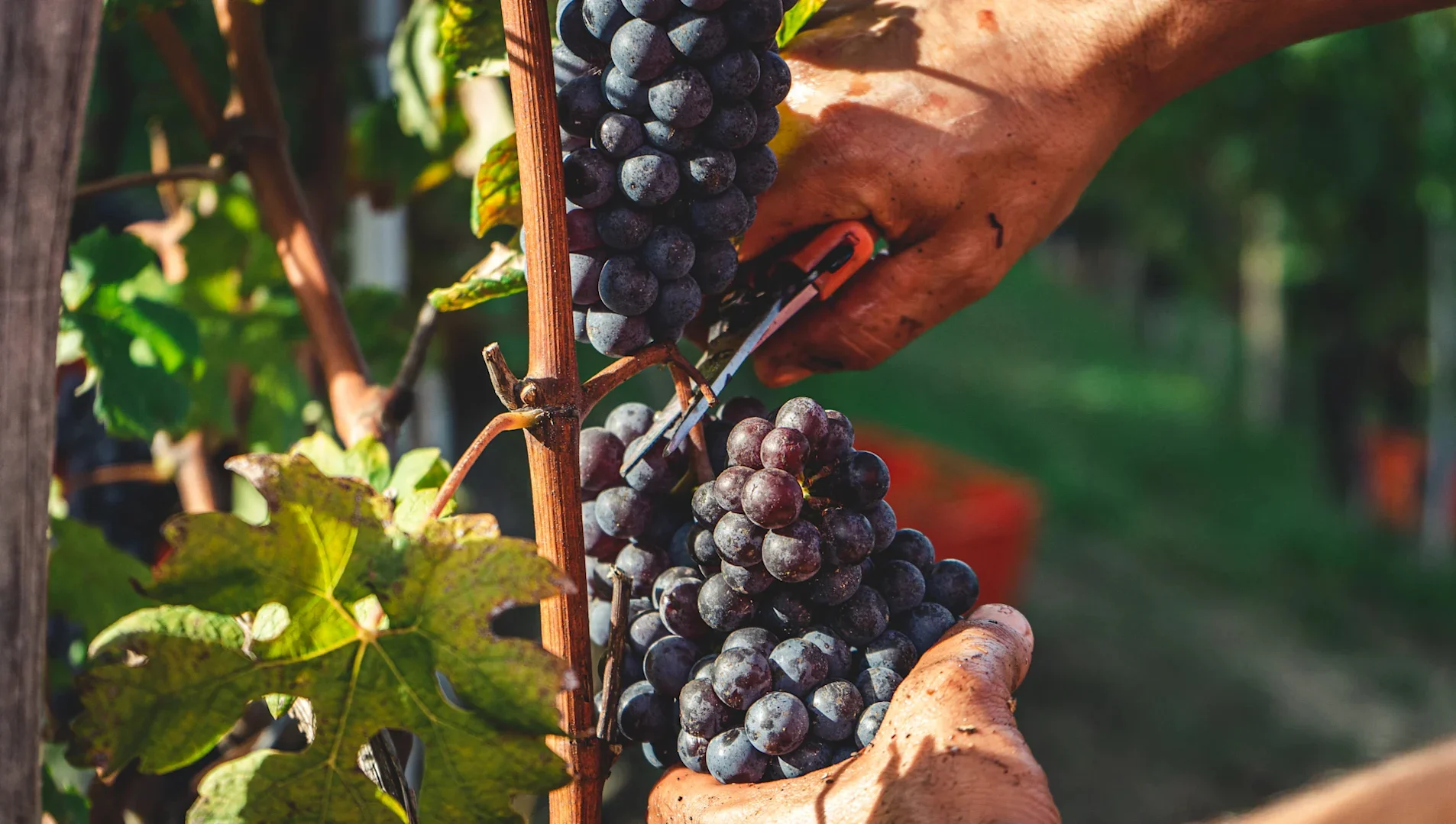
Merlot (pronounced mer-loh) is a plump, dark blue grape that ripens early. Its softer tannins and abundant fruitiness make it a popular blending grape not just for the smart clarets of Bordeaux but also in Italy where it is used to beef up the famously rich Super Tuscans.
It is also a grape that appeals to white-wine drinkers as much as red. In short, Merlot is an easy-drinking, fruity and deeply satisfying red wine. It has something for everyone, from the connoisseur to the happy-go-lucky wine fan … and, frankly, all red wine drinkers in between.
What does Merlot taste like?
How to know when you’ve been Merlot’d…
On the nose: Merlot can deliver fresh red plum and cherry aromas in cooler climates… to baked blackberry and fruitcake in warmer climates. As it ages, Merlot becomes chocolatey, meaty, and can have tobacco aromas. And you’ll also get vanilla and spice aromas if there’s been oak aging.
On the palate: Merlot is smooth, luscious and velvety. You’ll enjoy plenty of blackcurrant and mulberry fruit when young. Also dark red cherries, black plums, figs and blueberries. Plus, it doesn’t assault your teeth and gums with heavy tannins. As a result, as MW Tim Atkin notes, Merlot is known as ‘Cabernet without the pain’.
Of course, as with the other great red grapes - Cabernet Sauvignon, Syrah and Malbec – Merlot’s taste can vary depending on the regions or countries where it is grown and how it is made.
The best regions for Merlot
Today Merlot is grown all over the world. The grape is planted in Australia, New Zealand, South Africa, Chile, Argentina, California, Washington State, Spain, Bulgaria, Romania and Italy. But the origins of Merlot lie in southwest corner France, in Bordeaux.
The first mentions of Merlot began around the latter half of the 18th Century. In 1784 a local Bordeaux official in the Libournais recorded that one wine made from the grape was one of the area's best. Also known as Petit Merle and Bordeleza Belcha, Merlot is said to be named after the local blackbirds (merlau) which like eating the early ripening grapes on the vine. Even today, about two thirds of all the world’s Merlot comes from France.
The best French regions for Merlot
Bordeaux
Merlot is the most widely grown grape in Bordeaux. An entry-level claret from France’s No.1 wine region gives you unoaked, simple and fruity flavours: red wine to be enjoyed young and without fanfare. But it’s here that Merlot can really scale the heights, especially on the steep limestone slopes of one of Bordeaux's largest winemaking appellations, Saint-Emilion.
Saint-Emilion
On aeroplanes, you turn left for First Class... In Bordeaux, if you want truly first-class Merlot, you turn to the right – to Saint-Emilion, and its smaller neighbour, Pomerol, on the right bank of the Garonne river. A red wine from Pomerol is usually between 90 and 100% Merlot. A red wine from Saint Emilion is around 60–70% Merlot (sometimes more) and is blended with mainly Cabernet Franc.
Either way, these Merlot-dominated reds are some of the most expensive, complex, age-worthy and sought-after wines made anywhere. Full bodied, complex and highly prestigious - with prices to match.
Languedoc-Roussillon
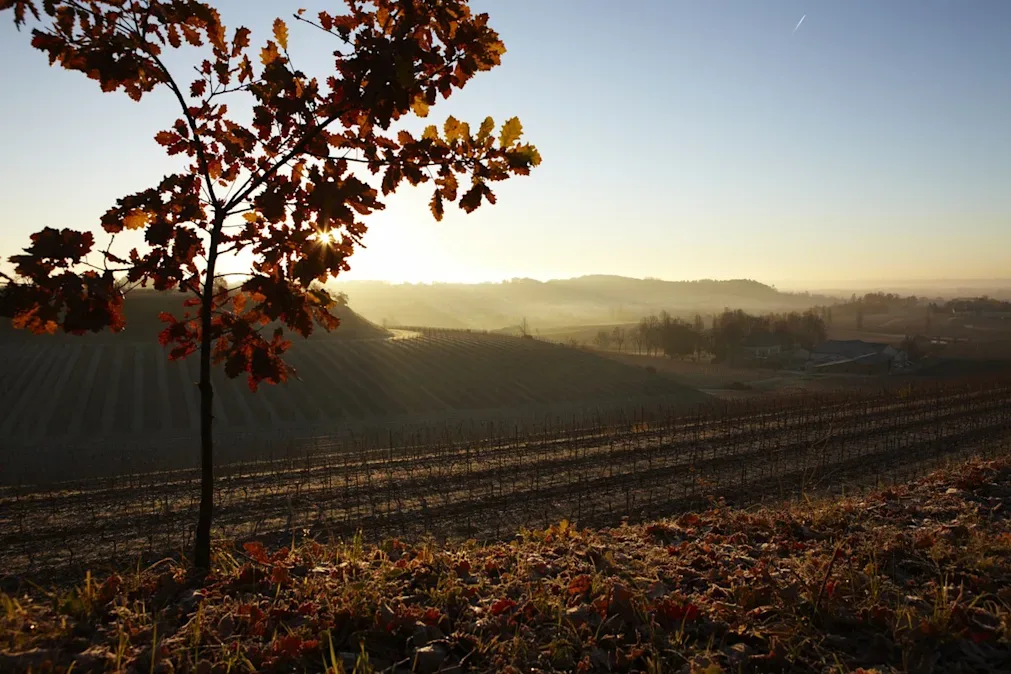
For more affordable Merlot reds, head also to the South of France, where the vast sweep of the Languedoc-Roussillon (aka the Midi) is making a name for itself as France’s best value wine region. Or you can start looking further afield…Block 4 - Best French regions for Merlot
Chilean Merlot
For a great combination of quality and value, head to Chile. Chilean Merlot is known for its full-bodied, plummy, spicy reds that make for very easy drinking at an any day price.
Australian Merlot
Merlot is a hugely popular grape in Australia. Yes, a lot is simple and easy drinking… but head to the cooler regions in Western Australia, such as Margaret River, and you’ll discover beautifully blended reds to rival Bordeaux’s finest.
American Merlot
Compared to France and Italy, you’ll find riper more fruit forward styles across the pond, but each state can produce different wines based on their particular terroir.
- Californian Merlots are sumptuous reds, fruit-forward, with lots of raspberry and blackberry cut with strong mocha and chocolate notes.
- Napa Valley Merlots are full bodied, smooth and velvety. What’s more, Merlot from Napa Valley, whilst bold and rich, can also have a slightly minty note, keeping it fresh and exciting.
- Washington state Merlots are fresh and elegant, thanks to cool night-time temperatures. Expect ripe black fruit, with a crisp, herbal edge.
How to pair Merlot and food
Merlot is one of the most food-friendly wines around. Because it’s dry and fruity, it is not easily overwhelmed by strong flavours in food. Nor is it so robust or high in tannins that it needs something ultra-rich for balance. Just take a look at this food list: Roasted chicken, roasted pork loin, rack of lamb, grilled steaks and beef burgers, stews, spaghetti and meatballs, roast duck, pizza … you can serve Merlot with any of them. And, while Merlot and ceviche might not be everyone’s cup of tea, Merlot can be magic with salmon, prawns, tuna and scallops.
If you’re not sure about a pairing, take a look at the description of the Merlot. Lighter-bodied, fruity Merlots will pair better with lighter foods, while fuller-bodied wines will be a better match for richer foods like grilled steak or rack of lamb. In fact, Merlot pairs with so many foods, maybe it’s easier to list what it doesn’t work with: green salad!
How to best serve Merlot
Just like other red Bordeaux wines, Merlot can taste best when served slightly chilled, at 16° to 18° C.
- Simply stick the bottle in the refrigerator for 20 minutes before you uncork it.
- Serve it in a Bordeaux red wine glass with a large bowl and a stem.
- You can then hold the glass by the stem, which means that your hand then won’t warm up the wine.
- When Merlot gets too warm, the alcohol tastes hot and the flavours become muddled.
How to properly store Merlot
You might not think it, but Merlot ages just as well as Cabernet Sauvignon. The wines become softer and often smokier (think tobacco) with age. If you are setting a few bottles aside, remember:
- Keep the temperature consistent: cool but not cold.
- Don't expose bottles to excessive light or sunlight.
- Store bottles on their side, in an area where there's little vibration.
- Once opened, a bottle of Merlot will happily keep for two to three days.
Ready to master the art of Merlot?
Discover why this smooth, versatile red is loved worldwide. Explore our Merlot collection and find bottles that pair perfectly with any occasion.
About the author
Richard Bull
Although good at running up hills, Richard failed to make the military cuvée and turned instead to the drinks trade. After stints at Hennessy, Oddbins and Grants of St James, he arrived at Laithwaites. Here, he spent 15 years writing about real wine and the people who make it. As he wrote from the desk to your door, he was lucky enough to visit vineyards in France, Italy, Spain and Kent.
Qualified to WSET Level 3, Richard loves the off-the-beaten track reds of the Languedoc - but is currently obsessed with Greek wine, particularly their super crisp whites.