
Oaked versus
unoaked Chardonnay – which is best?
Written by Chris LARKIN
Chardonnay is the world’s most popular white wine grape variety, grown in almost every wine-producing region. But Chardonnay wines can vary greatly, ranging from light and fruity to full-bodied and richly flavoured.
The key difference? Oak.
Here’s what you should know about oaked versus unoaked Chardonnay, and how to choose the right style for you.
What is oak ageing?
When shopping around for a new bottle of Chardonnay, you may see descriptions such as “oak-aged” or “aged in oak barrels” on the label.
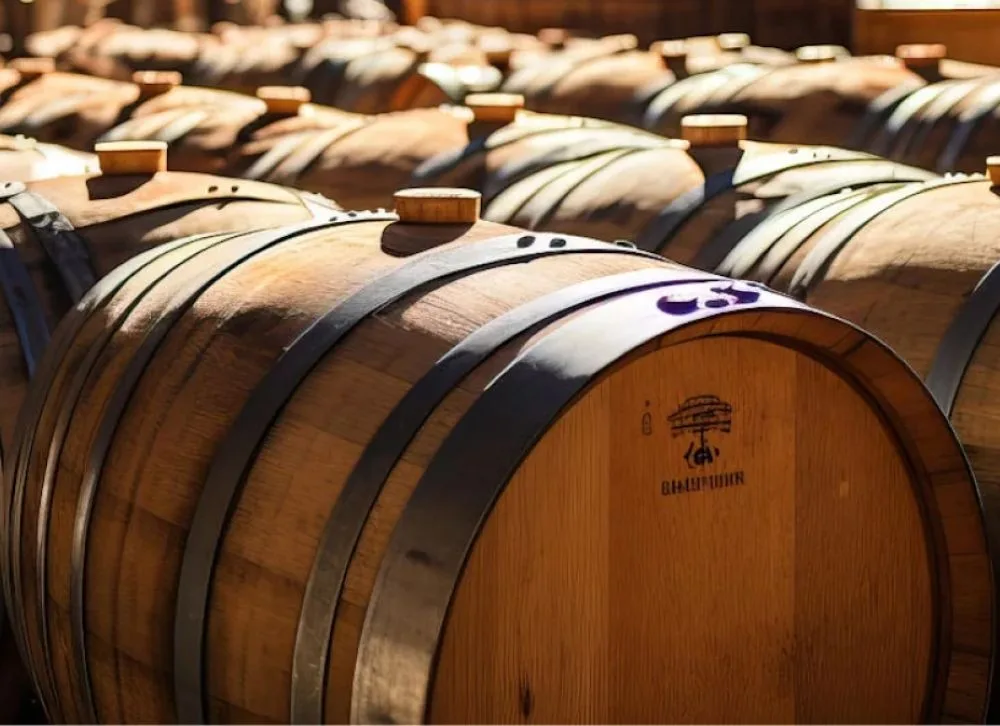
If a Chardonnay label mentions oak, it means the wine has spent a period of time inside a wooden wine barrel made from oak before it was bottled.
This is a decision made by the winemakers with the aim of influencing the aromas, flavours and texture of the wine - and they can get very passionate about it, going to great lengths to find exactly the right barrels to give exactly the right balance of oak influence for their particular wine.
The three main types of oak used for ageing wine are;
- French oak - the most popular, adding a subtle spice
- American oak - giving a stronger, sweeter character
- Hungarian oak - ranging from spicy and toasty flavours to sweet notes
Why age Chardonnay in oak?
Ageing Chardonnay in oak adds secondary flavours (so flavours on top of those coming from the fermentation of the grape) and makes the wine more complex.
Oaked Chardonnay wines have flavours of vanilla, toast and spice. They are also typically smoother, richer and creamier than unoaked styles, making them feel more full-bodied in the mouth. This is because the slow introduction of oxygen into the wine through the oak, softens Chardonnay’s inherent crisp, refreshing style. In some cases, it can also make the wine more suitable for ageing.
As the wine sits in the oak barrels, tannins from the wood pass into the wine and act as a natural preservative. Although oaked white wines don’t last as long as oaked red varieties, the extra few years give it more time to mature when properly stored. After the first use, the effects of an oak barrel drop.
Effectively, unoaked Chardonnay lets the characteristics of the soil and grape come through in the wine, while oaked Chardonnay often shows off the skill of the winemaker.
Why MLF Matters: Adding Creaminess and Complexity
Chardonnay is often described as “buttery” or “creamy”. This is linked to oak, but is actually a slightly different process.
Without getting really into the long grasses of wine science, the technical reason that some Chardonnay’s develop these flavours is a process called malolactic fermentation (MLF or Malo).
This is a chemical reaction that converts the crisp malic acid found in wines into softer lactic acid – actually the same as found in milk. Winemakers can choose to let this reaction happen or stop it. Some unoaked Chardonnay undergo MLF but all oaked Chardonnay will go through the MLF process. This is why those toasty, vanilla flavours of oak Chardonnay will nearly always come with buttery, creamy notes.
Core Differences: Oaked vs Unoaked
The differences between oaked and unoaked Chardonnay can be sorted into three categories;
Colour: An oaked Chardonnay wine is typically a darker, golden colour, the opposite of the pale yellow tone found in unoaked styles.
Flavours: As well as the oak and buttery flavours discussed above, oaked Chardonnays can also have more pronounced tropical fruit flavours.
How to serve: An oaked Chardonnay is better enjoyed in a white Burgundy glass, while a standard white wine glass works perfectly for unoaked styles. Full-bodied oaked Chardonnay wines should also be served slightly warmer, between 10-12°C, while unoaked styles are best served at a cooled temperature – 7-10°C to make the most of its lighter, zestier flavours.
Craving Complexity? Go Oaked.
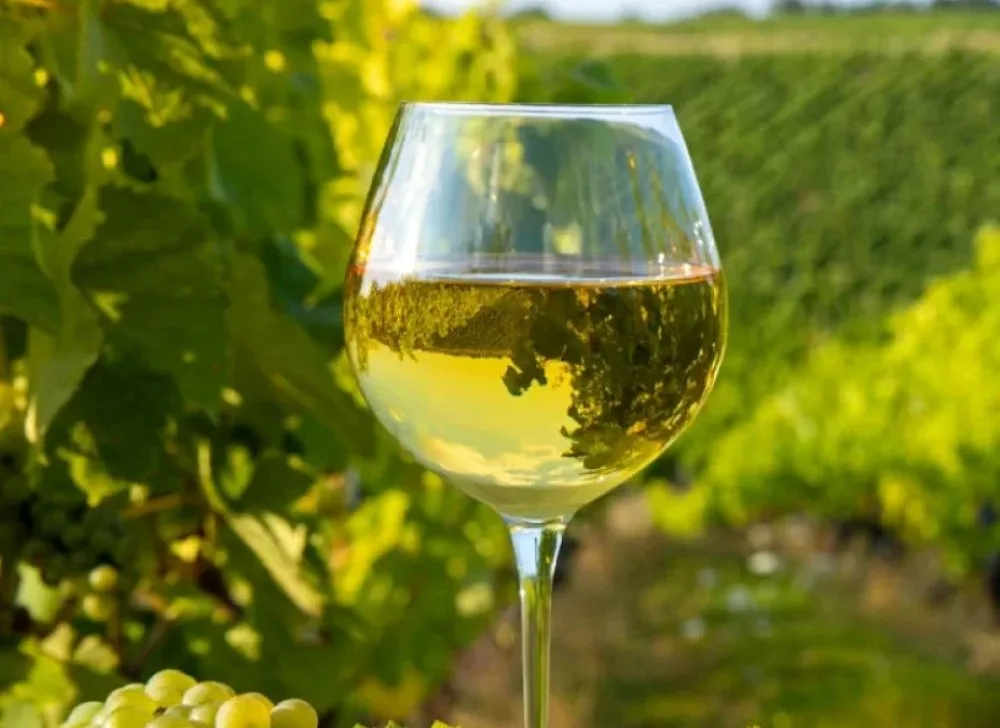
Oaked Chardonnays are known for their full-bodied, creamy mouthfeel, moderate acidity, and flavours of butter, vanilla, butterscotch, baking spices alongside classic citrus, peach, nectarine flavours.
Riper Chardonnays, such as those from sunny California, take well to oak, with notes of pineapple, papaya, ripe melon, peach and orange. While cool climate Chardonnays with lively citrus and white fruit hints need a more gentle approach to oak.
When riper Chardonnay wines are aged in oak, the blend of creamy, buttery, vanilla hints that appear are perfect for pairing with rich, creamy dishes– think Lobster Thermidor, creamy chicken and mushroom pasta.
Wine recommendation: RedHeads’ Harmonie Rox Chardonnay is an excellent choice for a big meal, with a creamy texture and hints of light spice.
Thirsty for Freshness? Go Unoaked.
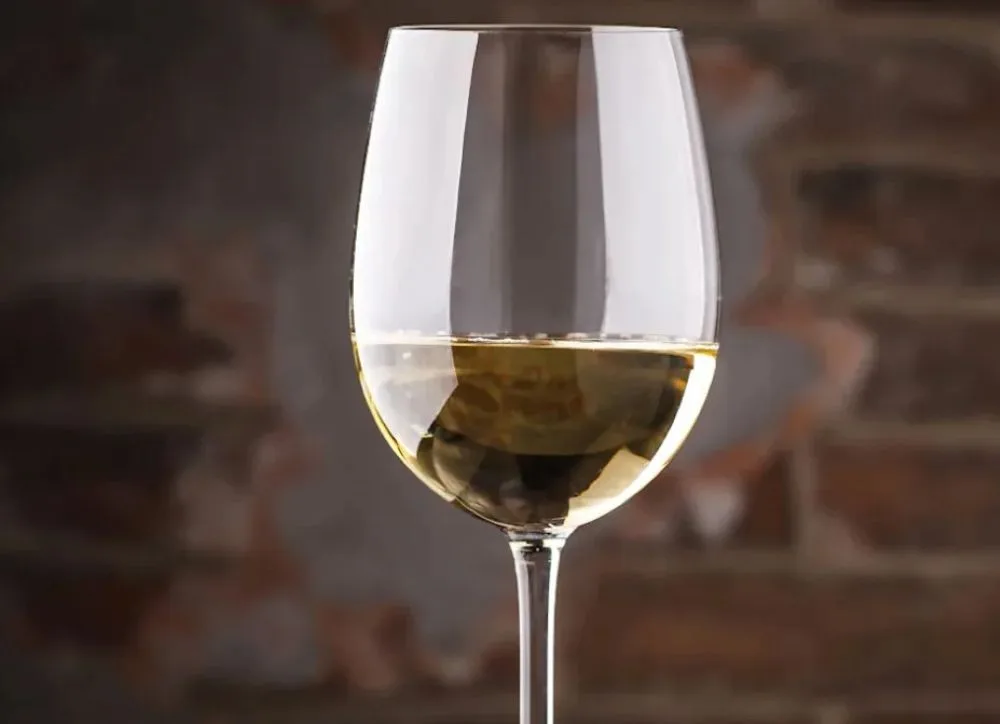
Not everyone likes wines that taste strongly of butter, vanilla, baking spice and toast flavours. If you prefer your white wine to be light, bright and fresh, an unoaked Chardonnay may be the style for you.
These are the top choice for refreshing white wines with crisp flavours and floral aromas. Unoaked Chardonnay wines are typically matured in neutral oak, stainless steel or concrete vats, reducing the amount of oxygen exposure. This allows them to maintain their fresh, fruity character. Because they rarely undergo malolactic fermentation, their natural zestiness remains. Chablis in the north of Burgundy is famous for this style.
Excellent-quality, cool-climate unoaked Chardonnays can also be found across the world, from New Zealand to New York. Noteworthy bottles can be found in Australia’s Yarra Valley and Mornington Peninsula, and even Chile.
Unoaked Chardonnays pair beautifully with lighter dishes such as lemon chicken, sushi, grilled fish and vegetable risotto because of their vibrancy.
Wine recommendation: One of our favourites is Domaine Dampt Vielle Vignes Chablis – bright and brisk with a distinct hint of minerality.
Which style of Chardonnay is best?
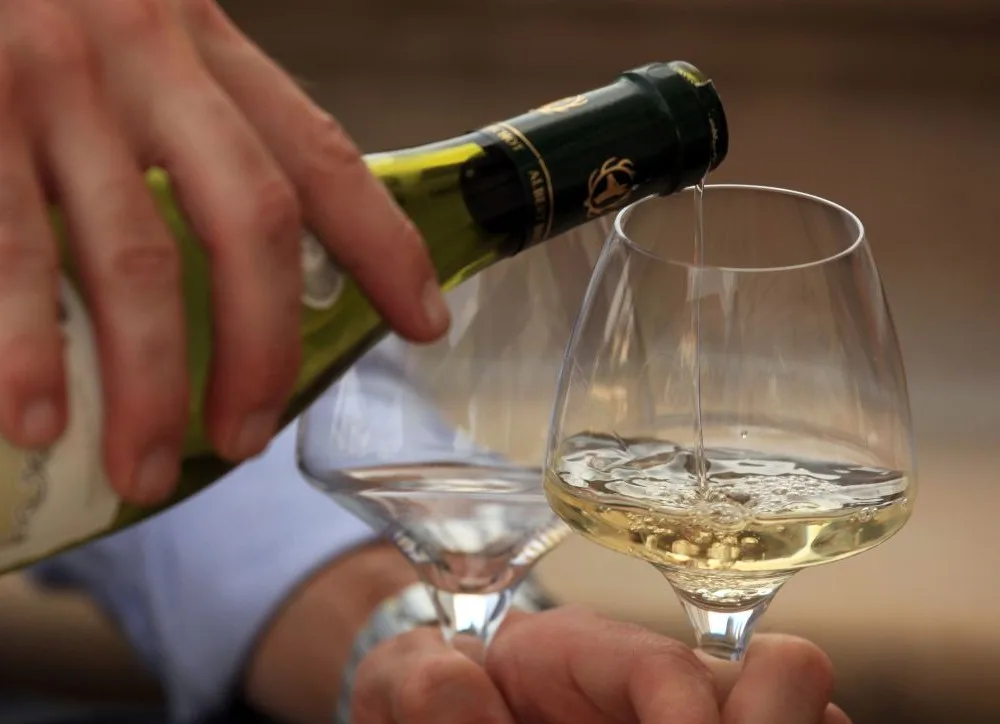
When choosing between unoaked and oaked Chardonnay, it’s all about personal preference rather than one being better than the other.
Some people prefer an unoaked Chardonnay’s fresh, clean taste, while others enjoy the richer, creamier texture of oaked styles. An oaked Chardonnay may be the go-to choice when the weather is chilly, but an unoaked Chardonnay can be a refreshing option on a sunny spring afternoon.
You can alternate between both styles or stick to the one you like most – what matters most is that you enjoy what’s in your glass.
We stop at nothing to bring you great wine
For over 50 years, we've gone off the beaten track to bring you great bottles from independent wineries around the world. We taste over 40,000 bottles a year to find the 800 or so that make the final cut. From luxurious French styles like Chablis to amazing value finds from Chile - you'll discover all sorts of hidden gems in our handpicked Chardonnay collection.
About the author
Chris Larkin
A seasoned copywriter with over two decades experience, Chris has been part of the team since 2021. At Laithwaites HQ, you’ll find him either working on our latest catalogue or creating informative content for our website. Qualified to WSET Level 3 Wine, Chris is as geeky about wine as he is about copywriting. But when it comes to choosing a special bottle, he is a traditionalist, and loves a good Bordeaux or Mâcon Chardonnay.