
8 Popular Types of White Wine
Published: January 14, 2025
Last updated: September 18, 2025
Brogan Wilson
White wine comes in a huge array of styles, each with its own unique character and flavour. In this handy guide, we’ll explore 8 of the most popular types of white wine, what makes them special, and what foods to pair them with.
There are countless moments that call for a refreshing glass of white wine – think lazy summer picnics, sun-soaked beach days, back garden barbecues, a midweek treat alongside dinner, or simply a refreshing sip to awaken your taste buds.
But with so many white wine styles and varieties to choose from, the real challenge is knowing where to start …
White wine remains the UK’s most popular style
But that’s hardly surprising, especially with crowd-pleasers like Sauvignon Blanc, Pinot Grigio and Chardonnay at the forefront.
Of course, it’s easy to see why. White wine offers such incredible variety, from rich and luscious to dry and crisp, with flavours spanning from fresh herbs and tomato leaf to tropical fruits and honeysuckle. No matter your preference, there’s a white wine to match.
Now, let’s dive in and take a closer look at eight of the most popular white wine styles.
Sauvignon Blanc
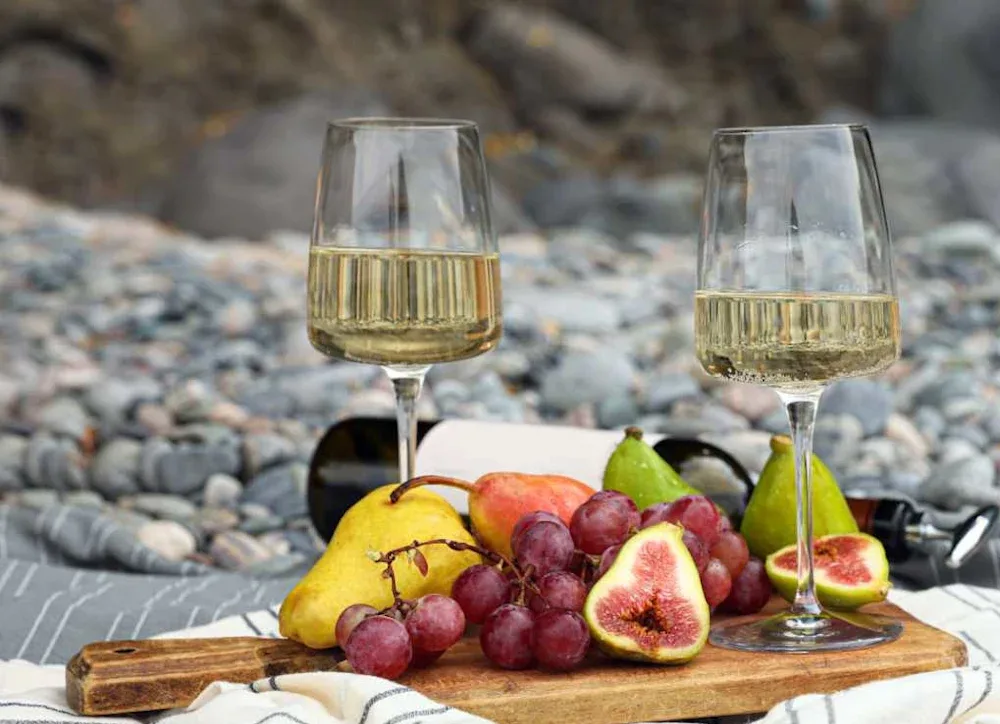
Sauvignon Blanc is considered the UK’s favourite white style … and it’s not hard to see why. Capturing the essence of spring and summer, Sauvignon Blanc delights drinkers with its tantalisingly fresh flavours and explosive gooseberry, cut grass and guava aromas.
Sauvignon Blanc grown in cooler climates often benefits from longer growing seasons. This means grapes have higher acidity and more vibrant fruits, resulting in crisp wines with citrusy freshness, tropical fruit flavours (think passionfruit and guava) and that classic gooseberry-fresh character.
By contrast, Sauvignon Blanc grown in milder conditions result in riper grapes. This creates a richer style of Sauvignon, with melon, mango and stone fruits.
New Zealand Sauvignon, particularly from Marlborough, is a must-try. This region is NZ’s Sauvignon capital, putting the country on the world stage for its Sauvignon Blanc. Expect wines with bright citrus and intense gooseberry flavours.
But, if you’d prefer something a little more classic, head to the Loire for Sancerre. Many rate the Loire Valley as the world’s best location for Sauvignon Blanc – and there’s certainly no shortage of exceptional examples. Expect richly textured, wonderfully aromatic expressions with peach, gooseberry and lemon flavours, with flinty undertones and a bracing acidity.
Sauvignon Blanc food pairings
When it comes to food pairings, Sauvignon Blanc is an incredibly versatile wine. Serve alongside:
- White meats – grilled chicken or pork
- Shellfish
- Cod
- Spicy Thai curries
- Creamy pasta dishes
- Tangy cheeses (goat’s cheese or feta)
- Grilled vegetables
Chardonnay
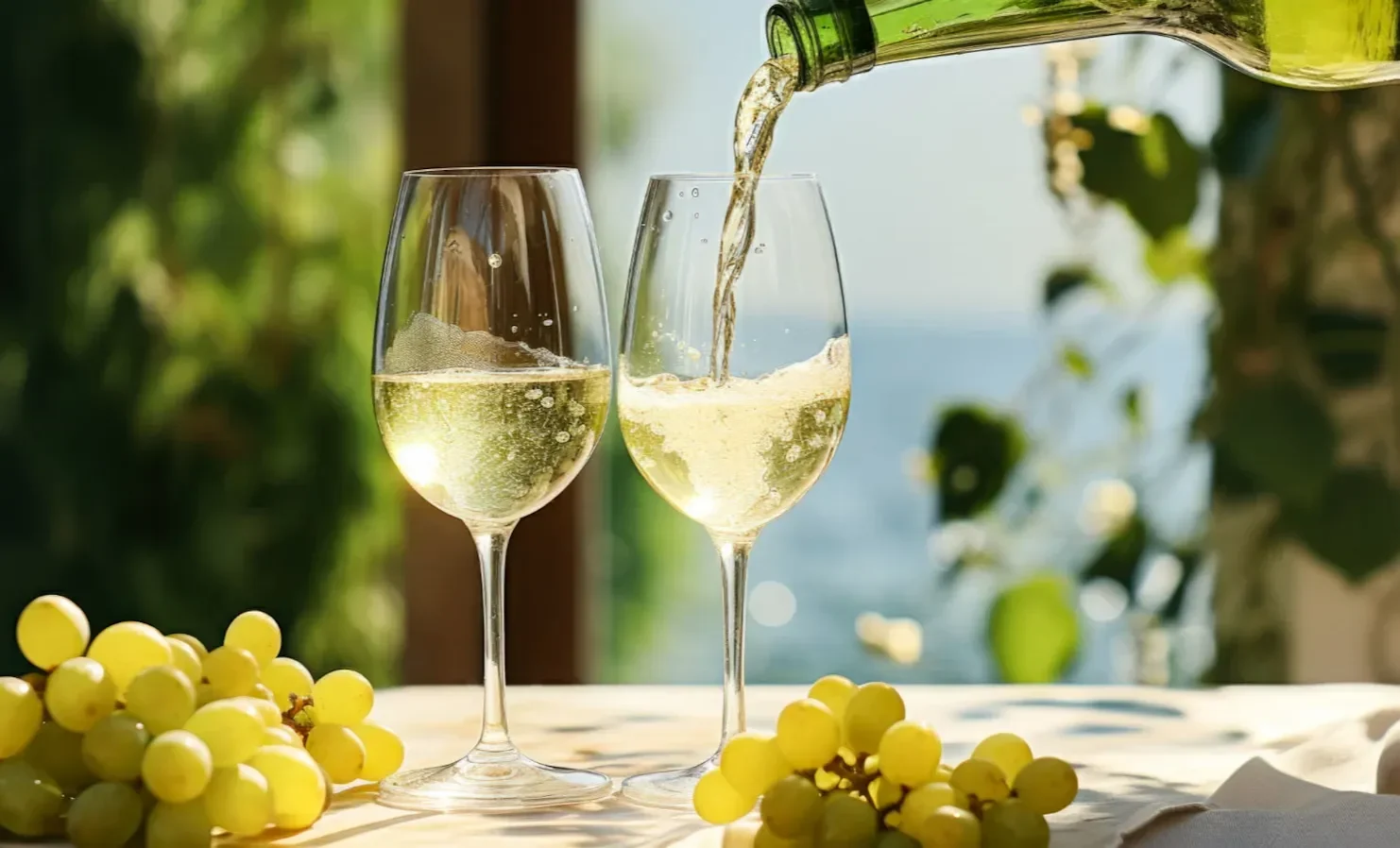
Chardonnay is used to make some of the world’s most popular white wines. Its roots trace back to the Burgundy region in France… and it’s famed for fine whites like Chablis, Meursault and Montrachet.
Because of its adaptability, Chardonnay flourishes in wine regions all around the world. Winemakers love its versatility, its ability to thrive in various climates – and the different flavours this grape reveals, depending on where its grown.
In cooler climates, Chardonnay produces elegant expressions, revealing crisp flavours similar to Granny Smith apples, lemons and quince, with a touch of minerality. When grown in warmer climates, Chardonnay produces richer notes of pineapple, melon and apricot.
Chardonnay has a remarkable ability to showcase the unique characteristics of the region in which it’s grown – sometimes referred to as ‘terroir’. This grape beautifully mirrors the climate and soil of its vineyard. For example, chalky soils lend Chardonnay a bright, mineral character, while clay-rich soils bring out fruitier flavours in the wine.
Chardonnay shines when it comes to oak ageing. Some of the best expressions gain complexity from fermentation in oak barrels, while others are fermented in tank, then aged in casks. Winemakers will use their judgement to carefully balance the oak’s influence on the wine, ensuring the toasty vanilla and spice notes complement the wine’s vibrant fruit flavours.
Chardonnay food pairings
Chardonnay is a food lover’s dream – pairing perfectly with a variety of foods.
Oaked Chardonnay:
- Roast chicken
- Rich salmon dishes
Unoaked Chardonnay:
- Seafood – lobster and crab
- Creamy pasta risottos
- Vegetable dishes
- Charcuterie boards
- Semi-soft cheeses
Pinot Grigio / Pinot Gris
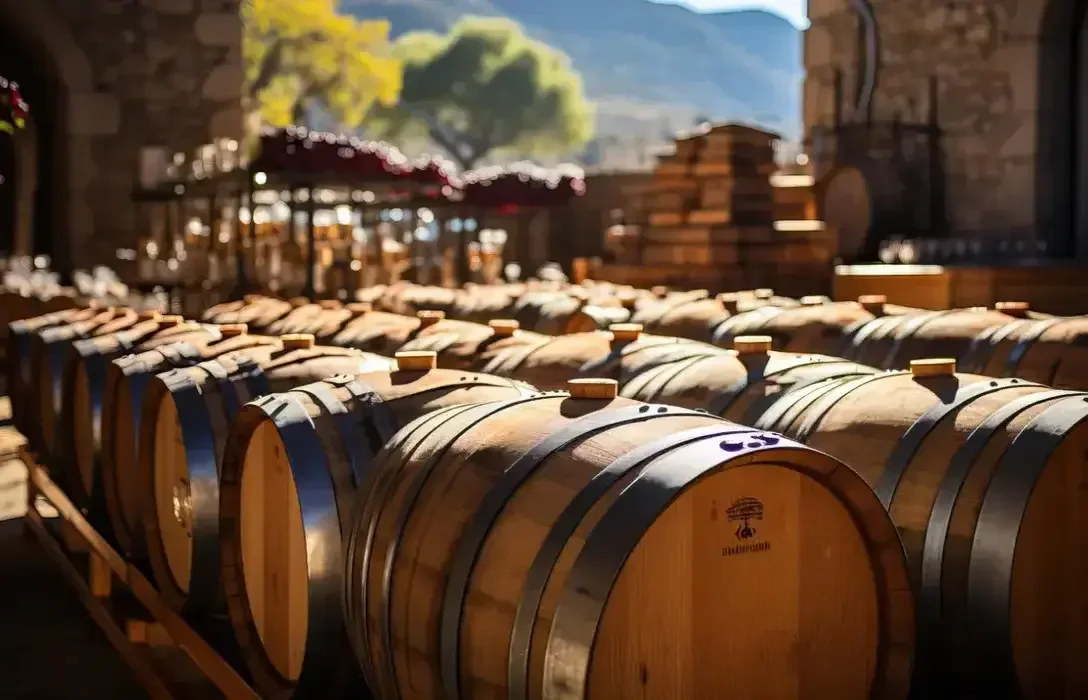
While Pinot Grigio and Pinot Gris are two names for the same grape, they signify very different styles. Much like Syrah and Shiraz, the name tells you what style to expect in the glass.
Pinot Grigio is the Italian name for this grape. You’ll find it growing throughout Italy, but it really thrives in the country’s northeast – particularly in Veneto, Friuli Venezia, Lombardy and Trentino-Alto Adige.
The style of Pinot Grigio can vary depending on winemaking techniques, but it’s typically light to medium bodied with high acidity. It delivers vibrant flavours of green apple, pear and citrus fruits … ideal for those who enjoy crisp, refreshing wines.
The French call this grape Pinot Gris. It’s originally from Burgundy, but you’ll rarely find it planted there now. Today, Pinot Gris is primarily grown in Alsace, where it takes on a richer, full-bodied profile. Because it’s a much riper style, expect white peach, hone, lemon, blossom and spice aromas. In Alsace and beyond, Pinot Gris is sometimes made into a luscious late-harvest wine.
Pinot Grigio food pairings
- Sushi and seafood – grilled shrimp, mussels, cod
- Light salads and pasta dishes
- Light Thai dishes
- Charcuterie boards
Pinot Gris food pairings
- Seafood – scallops, lobster, crab cakes
- Roast chicken and turkey
- Rich and creamy cheeses
- Desserts (for late-harvest PG) – fruit tarts
Riesling
Riesling is one of the world’s most underrated white grapes – it has the ability to produce wines across the spectrum, from bone-dry to lusciously sweet.
Riesling is typically grown in cool climates, but because of its adaptability, it thrives in diverse climates and regions worldwide.
Its homeland is Germany, particularly in the Mosel Valley, where it’s been grown for centuries. Other key regions for German Riesling include Rheingau, Pfalz and Nahe.
When grown in cool climates, Riesling develops its signature high acidity, vibrant aromatics and an incredible ageing potential. Outside of Germany, notable Riesling regions include Alsace in France, Austria, Australia’s Clare and Eden Valleys and New Zealand.
Styles of Riesling:
Dry Riesling - Expect crisp and refreshing green apple and lime flavours with mineral notes.
Off-dry Riesling - Subtle residual sugar balances the vibrant acidity, lending peach, apricot and honey notes.
Sweet Riesling - Late-harvest or botrytised Rieslings are rich and complex, with layers of dried fruit, honey and floral notes.
Sparkling Riesling - Some regions craft sparkling Rieslings, further highlighting this grape’s wonderful acidity and aromatic profile.
Riesling food pairings
Its high acidity makes Riesling a food-paring champion – its versatility lends it to almost any dish or occasion. Here are just a few suggestions of what dishes to pair across the range of styles.
Dry: Grilled seafood, light salads and sushi
Off-dry: Thai green curry and spicy Indian dishes
Sweet: Creamy desserts (fruit tarts, crème brûlée) and savoury blue cheeses
Sparkling: Roast pork and mushroom risotto
Chenin Blanc
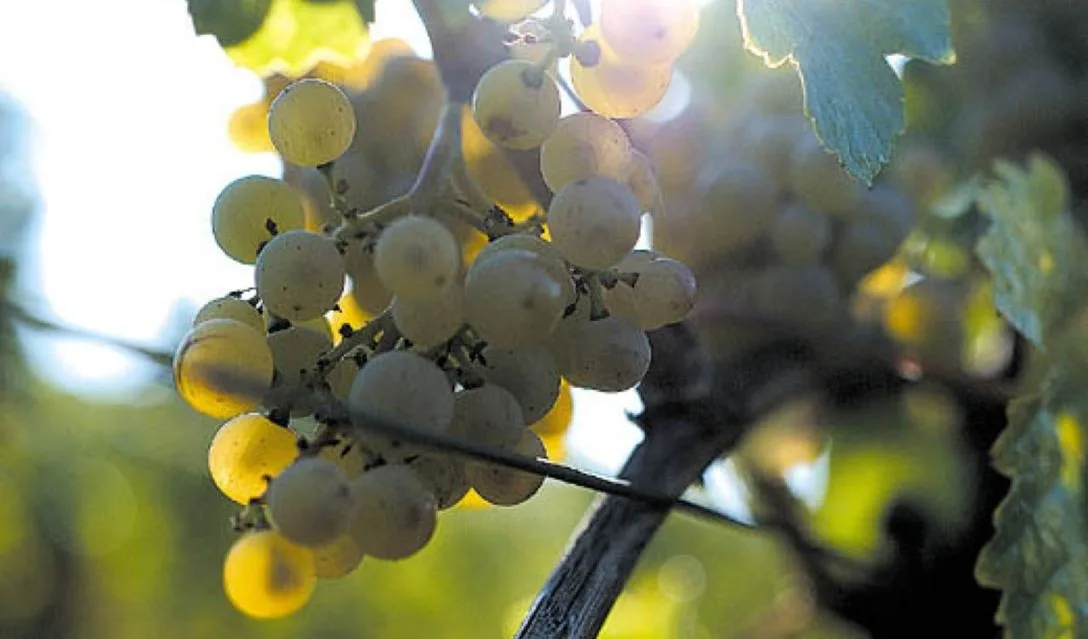
Chenin Blanc is best known for producing wines with high acidity, green apple flavours and distinctive honeyed notes. Like Chardonnay, it’s an exceptionally versatile grape, creating wines in various styles – from sparkling to still, and dry to deliciously sweet.
Chenin Blanc hails from France’s scenic Loire Valley, but it’s now grown worldwide – everywhere from South Africa to Australia, New Zealand and North America.
This grape is celebrated for its vibrant fruit flavours, often revealing notes of green apple, pear and quince in drier styles, with richer expressions offering hints of apricot, honey and tropical fruits like guava and pineapple.
Chenin Blanc’s natural acidity ensures freshness in every sip – and means it has fantastic ageing potential. When aged in oak, Chenin Blanc develops butterscotch, baked apple, marzipan and nutmeg flavours.
Chenin Blanc food pairings
- Pork
- Chicken with creamy sauces
- Thai green curry
- Pad Thai
- Seafood – lobster or crab
- Mild, creamy cheeses
Viognier
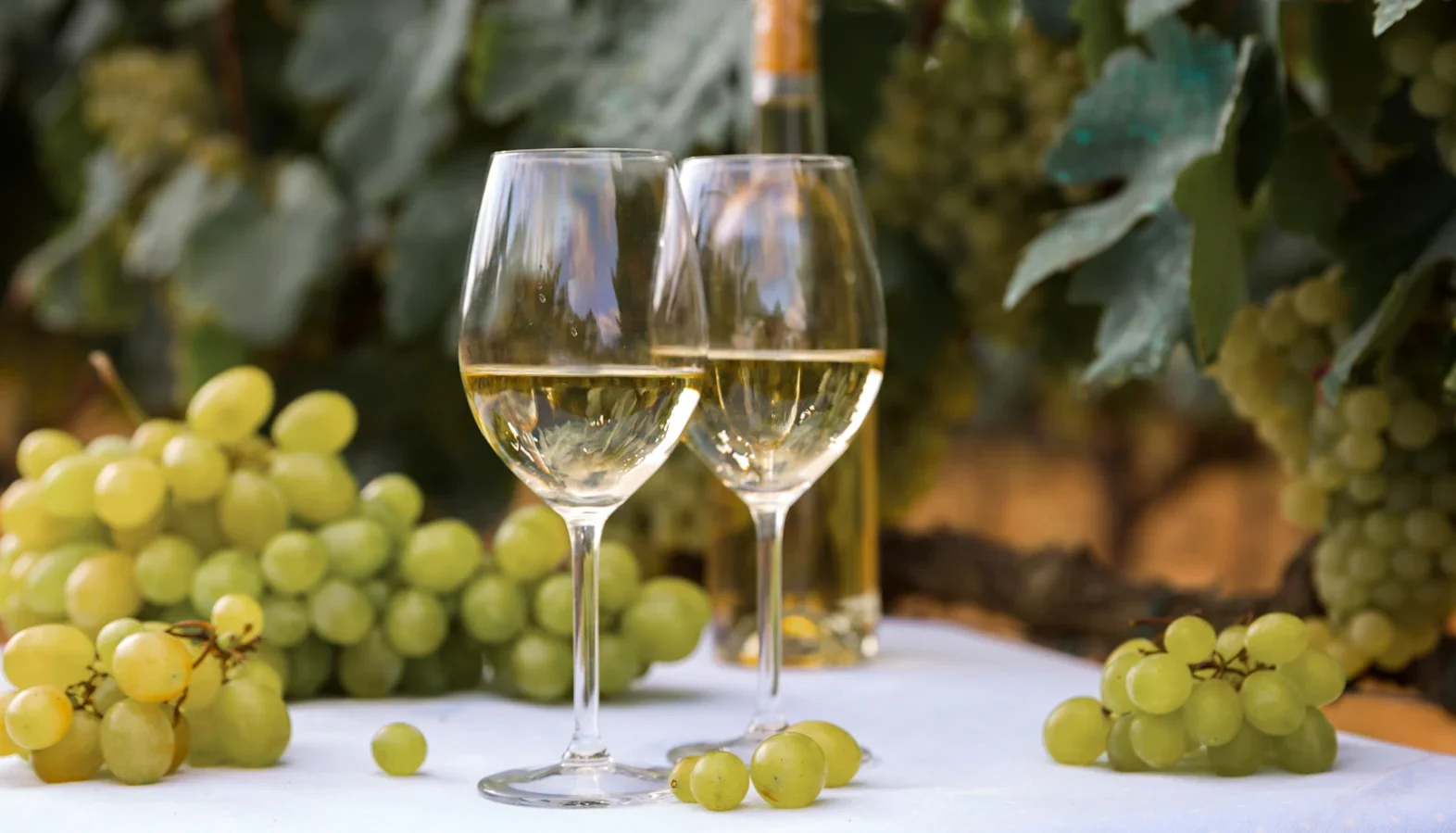
Viognier is one of the fastest growing white styles in our range. In fact, sales of these luscious wines have skyrocketed by 237% since 2019.
It’s quite remarkable, really, especially when you consider that just half a century ago, plantings of this aromatic grape had dwindled so much that it was on the brink of distinction. And while Viognier’s homeland is in France’s Rhône Valley, it is producers in South Africa and Australia who have caused a resurgence in this star grape.
But it’s not an easy grape to grow. In fact, it ripens unevenly and is prone to disease. Why do winemakers choose to use it then?
Simple. The outcome is truly rewarding. Viognier produces richly aromatic wines, with lashings of stone and citrus fruits – I’m talking peaches, apricot, mango and tangerine – lovely acidity and mouthwatering spice.
Viognier food pairings
- Seafood – lobster, scallops, crab
- Roast turkey
- Roast chicken
- Roast pork
- Sweet-spicy curries
- Thai rice
- Mild, creamy cheeses
Sémillon
Sémillon doesn’t demand the spotlight like Sauvignon Blanc or Chardonnay. It’s usually found in blends, but can produce some wonderfully characterful whites on its own.
Originally from Bordeaux, Sémillon is the cornerstone of some of the world’s most famous wines, from deliciously sweet Sauternes to the dry, citrusy blends in Graves.
Sémillon is hugely popular in Australia, especially in Hunter Valley. Here, you’ll typically find dry, unoaked wines with superb ageing potential, starting as zesty while young, and developing a honeyed, nutty complexity over time.
Styles of Sémillon:
Dry Sémillon - This style is crisp and vibrant often found in expressions from Bordeaux and Hunter Valley. Expect rivers of lemon, lime and green apple flavours. When aged, it develops complex notes of honey and nuts, adding a creamy texture.
Blended Sémillon - Sémillon is often blended with Sauvignon Blanc, adding richness, weight and a silky texture to the wine.
Sweet Sémillon - Sémillon is the grape behind the iconic dessert wine Sauternes. This style is wonderfully rich, with flavours of honey, marmalade, apricot and spice.
Sémillon food pairings
Dry: Light chicken dishes, white fish, creamy pasta, risotto
Blends: Seafood platters, roasted vegetables, pesto pasta
Sweet: Fruit tarts, Blue cheeses (Roquefort), Crème brûlée
Grüner Veltliner
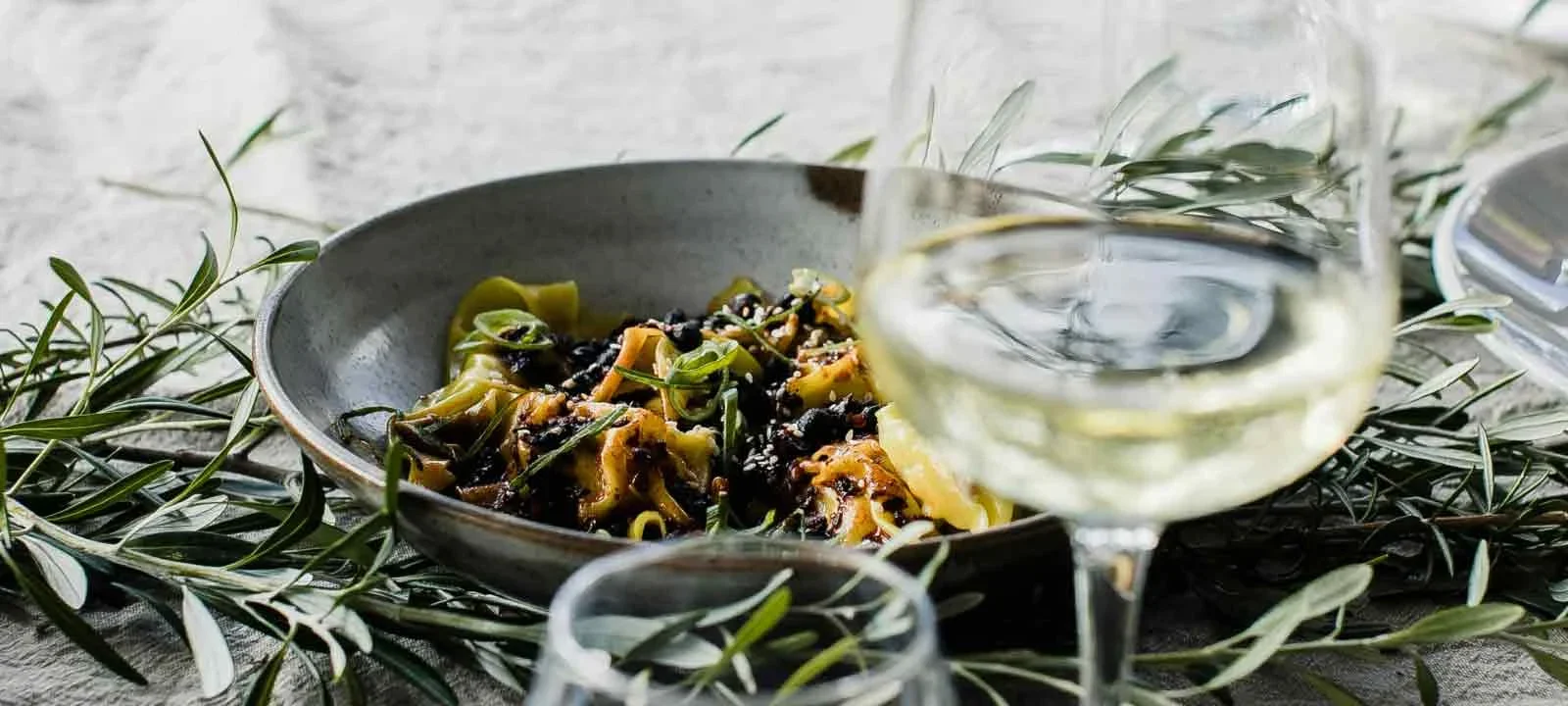
Grüner Veltliner is Austria’s signature grape. In fact, Austrian winemakers are responsible for 75% of the world’s Grüner Veltliner wines.
Outside of Austria, you’ll find plantings in Italy, Canada, parts of North America and South Australia. Grüner Veltliner prefers hillsides, thriving in vineyards with mineral-rich soils. This is particularly important when grown in a warmer climate, as the cool evening breezes in these regions prevent the grape from over-ripening, retaining the grape’s natural acidity.
Expect green apple, citrus and white pepper flavours with high acidity in youthful expressions. When aged, Grüner Veltliner wines become fuller-bodied and richer, with notes of ripe melon and honey.
Grüner Veltliner are similar in style to some Rieslings – dry, full of citrus and spice – but it’s also a superb alternative to Sauvignon Blanc.
Grüner Veltliner food pairings
- Light summer salads
- White fish
- Spicy Thai or Indian dishes
- Vegetables
- Roast pork
- Roast chicken
- Soft cheese

We stop at nothing to bring you great wine
Whether you’re a fan of zesty whites or you prefer something richer and more aromatic, there’s something for everyone. All that’s left to do now is grab a glass and enjoy!
About the author
Brogan Wilson
Qualified to WSET Level 2 Wine, Brogan is a relatively new member of the team, having joined in September 2023. She previously worked as the sole copywriter at a creative marketing agency, and before that, as a primary school teacher. At Laithwaites HQ, you’ll find her growing her knowledge, asking lots of questions, and crafting both digital and print copy. An ardent red wine drinker, Brogan is also fond of Crémant.


