
Red WineWhite WineRosé WineChampagne & SparklingFine WineBin Ends View All OffersMixed CasesMedal WinnersBestsellersTop RatedOnline CatalogueNEW vintage: enjoy Saint-Émilion quality for much lessWine rack essentials – just £7.99 a bottles20% OFF top Chenin from ‘Loire Winemaker of the Year’30% OFF No.1 Kiwi Sauvignon Mussel PotNo.1 luxury South African white Queen Bee – 20% OFFNEW release: 25% off the white that time forgotElite Pinot Grigio from 100-point winemaker – 25% OFFBumper Pinot Grigio deal! Just £8.33 a bottleRed WineWhite WineRosé WineChampagne & SparklingNo and Low AlcoholDessertFortifiedWine BoxesMiniaturesHalf BottlesView All WineFranceItalySpainPortugalAustraliaNew ZealandBordeauxBurgundyCavaChateauneuf Du PapeMargauxRiojaBeaujolaisChablisSancerreNapa ValleySauvignon BlancPinot GrigioMerlotMalbecPinot NoirChardonnayCabernet SauvignonRipe Smooth RedsFirm Structured RedsLight Juicy RedsCrisp Fresh WhitesRich Round WhitesPale Dry RoséBright Fruity RoséChampagne or similarFresh Fruity FizzWhat's your wine style?Red WineWhite WineChampagneEnglish SparklingDessert WineBurgundy 2024 En-PrimeurFine Wine HubView All Fine Wine Up to £5.99£6 - £7.99£8 - £9.99£10 - £14.99£15 - £24.99£25+RedWhiteRoséSparklingBestsellersBlack RedsAll Mixed CasesTrioSixTwelveBulk DealsNew Zealand Sauvignon Showcase – SAVE £54Party-ready Prosecco Six – just £8.99 a bottleClassic Bordeaux, crisis price – just £10.99 a bottleMeet your must-have Provence rosés! 30% OFFBig, rich, bold Argentinian Malbec – £12 OFFBumper Pinot Grigio deal! Just £8.33 a bottle15-bottle white wine essentials – just £7.99 a bottleAdd-on beer deal! 20% OFF Loose Cannon beersIconic Whispering Angel now just £19 a bottleSmooth Merlot Mix just £8.99 a bottle12-month Bestsellers price cap deal!Vineyard PartnersWine Gift SubscriptionsHow subscriptions workBenefits of joining a Wine ClubManage my SubscriptionsUnlimitedUnlimitedRed Wine GiftsWhite Wine GiftsSparkling GiftsGift hampersChocolate GiftsGift Boxes & AccessoriesBeer GiftsCheese & WineGift cards All GiftsEaster giftsBirthdays Congratulations Wedding Thank You Engagement Anniversary Corporate GiftsFor HerFor Him Under £30Under £50Under £100Over £100GinBrandyWhiskyVodkaRumTequilaBin EndsView All SpiritsAll BeerLagerIPABeer Mixed casesBeer OffersCiderCider OffersHawkstone - beer from Clarkson's FarmLoose Cannon - Craft beer from the heart of OxfordshireSipsmith - spirits of quality and characterWine Festival - ManchesterPartner Events Taste with Laithwaites - In StoreBordeaux Tasting TourWine Festival - LondonAbout & FAQ'sAll Events Wine GuidesUnlimitedWedding ServiceCorporate ServicesCorporate GiftsContact UsStore FinderEvents in StoreWhat's Your Wine Style?Food Pairing Guide for Alcohol-Free WinePairings for Vegan & Vegetarian DishesCrémant - The unsung hero of French FizzHow To Perfectly Pair Cheese and WineFood & Wine PairingsCelebrating Special OccasionsLearn About WineExplore all articlesWine Shop by Telegraph Media GroupThe Kew Series by LaithwaitesBritpop by Alex JamesEnglish Heritage SeriesGood Food and LaithwaitesView all partnersBROWSE ALL WINES
  • Home
  • blog
  • learn
  • Port Wine Styles Explained


You might think of Port as something reserved solely for a Christmas toast - but Portugal's famous fortified wine has much more to offer. 

From vibrant Ruby Ports to the nutty complexity of Tawny, it's time to demystify these styles and discover why this classic drink deserves a year-round place in your glass.


What is Port? Defining A Fortified Classic

Put very simply, Port wine is a Portuguese fortified wine.

It is actually one of four the country makes, including Madeira, Moscatel and Carcavelos - but Port is the sweet nectar we tend to associate with Portugal the most.

Yes, you can find similar fortified wines in countries like Argentina, Australia, India, and Canada, but - just as Champagne has to be made in Champagne - only those wines ‘fortified’ in Portugal can legally be labelled as “Port”.

Named after the historic town of Porto, this powerful wine actually comes from grapes grown upriver in Douro Valley - the oldest regulated wine region in the world.

And rightly so. Port is a wine of powerful character and immense potential. Because of its richness, many of us think of it as a dessert wine. But it actually comes in various styles, not just sweet, including dry, off dry and white. Which makes it so much more than just something to sip with a decadent chocolate pud or a lavish cheeseboard.


Douro Valley, Portugal

What are the four key styles of Port?

Port wine is available in various styles, but the four most common are Ruby, Tawny, Rosé and White,

Ruby Port

Ruby Port is young, fruity, and vibrant, with deep crimson hues. This style also includes Vintage, Late-Bottled Vintage (LBV), and Crusted Port, all aged for different lengths of time to produce more complex flavours. Ruby Port wines are bursting with flavours like raspberry, blackberry, caramel, cinnamon, and chocolate, offering wine drinkers something indulgent and moreish.

Tawny Port

Tawny Port is aged in wooden barrels. There the wine develops a golden-brown colour with nuts, dried fruits, and caramel flavours. Age labels – 10, 20, 30, 40 years – signify the wine’s character rather than its precise age. Like Ruby Port, Tawny Port has some similar flavours (raspberry, cinnamon, and caramel) but the additional ageing in wooden barrels adds hazelnut, clove, and fig.

Rosé Port

Rosé Port is the newest style of Port, and technically it’s a Ruby Port. It is produced in a similar style to rosé wine – with the red grape skins having minimal contact to produce a pretty shade of pink. It has bright raspberry, strawberry and cranberry sauce flavours.

White Port

White Port stands apart. For starters, it is made with different grapes than Port’s traditional six-grape blend. (Typically, the native Portuguese grapes like Rabigato, Viosinho, Gouveio, and Malvasia). That means it has an entirely different flavour profile, one that is deliciously characterised by citrus, sweet fruits like apricot and baked apple, and sweet toasted nuts. It comes in a range of styles and sweetness levels, from bone-dry to lusciously sweet.
The Importance of Vintage

Vintage Ports are very long-lived wines from the best vineyard sites - and they are only made in exceptional years.

They come from a single year (this is stated on the label) – and the vintage must only be bottled after two or three-year’s aging in cask.

The Port house must also decide within two years of the harvest if the wine is going to be fine enough to be released, unblended as a vintage port. This is known as ‘declaring’ the vintage and can only happen after Port’s governing body – the IVDP – has approved samples and volumes.

In a good year (such as 1985) this is followed by a universal declaration by producers. There are three declared vintages per decade on average.

Vintage Ports require bottle ageing after release and will always throw sediment – so remember to decant before drinking!

Pairing food with port

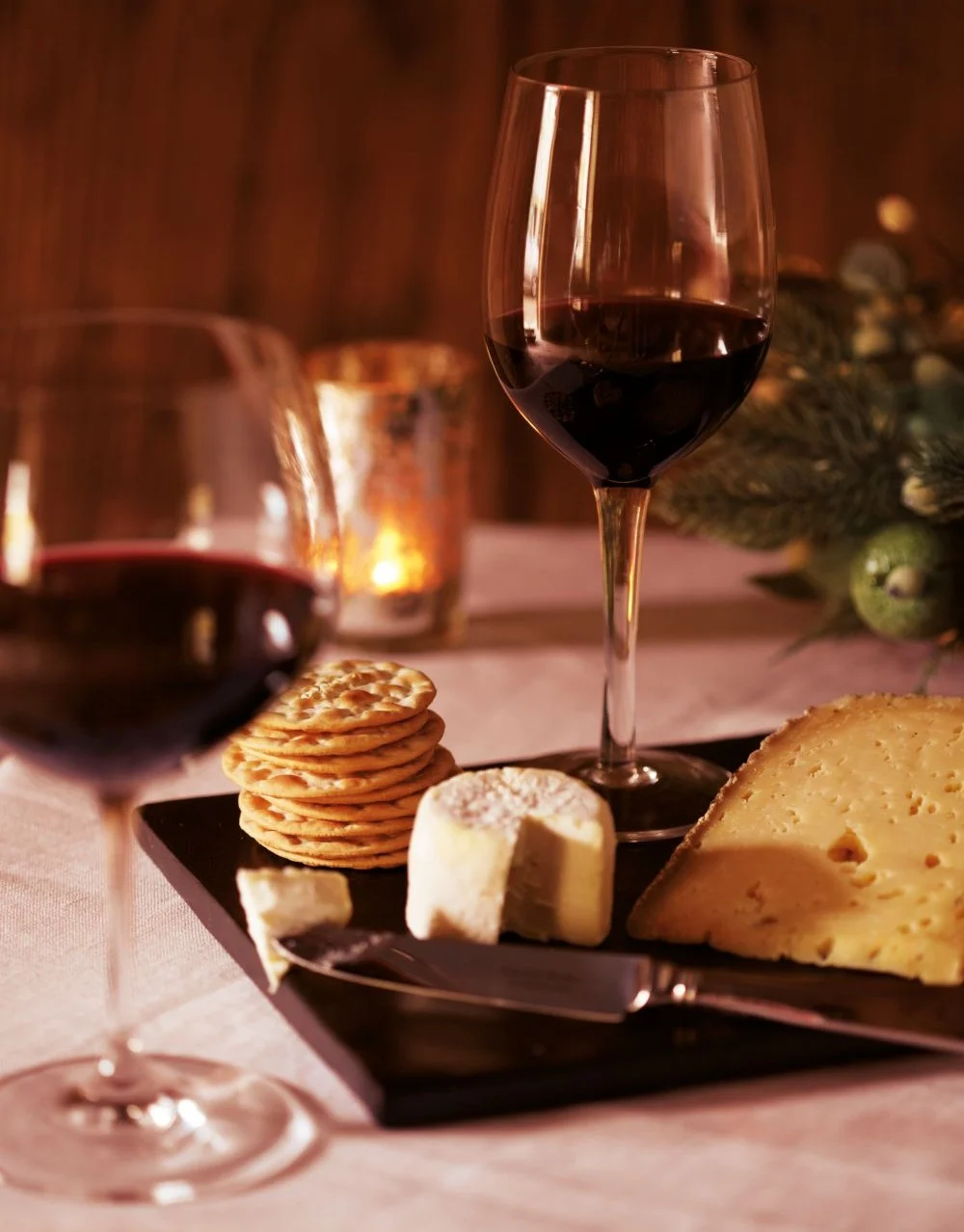
With its intense fruit flavours and sweetness, Port can be paired with a variety of dishes, from rich cheeses to smoked meats to dessert;

  • The fruitiness of Ruby and LBV (Late Bottled Vintage) Ports goes well with blue cheeses or decadent chocolate desserts.
  • Tawny Port is ideal with nutty desserts, creamy cheeses or caramel tarts.
  • White Port is a great choice with seafood dishes, almonds or as an aperitif with olives.

Discover more food pairings inspiration


Serving and storing Port

Ruby and Tawny Port are best served just below room temperature – around 16C. Any colder risks losing those iconic, sticky-sweet hints of raspberry and caramel. 

Port’s intense flavours and high alcohol levels mean it is typically served in small measures in dessert wine or special Port wine glasses. These have long stems, but short, tulip-shaped bowls perfectly suited to Port’s complex aromas.

Top tip: Don’t leave a bottle on the sideboard for too long!

Once opened, Ruby and LBV Port can maintain their vibrant fruity styles and character for up to two weeks, if they’re resealed and stored in a cool, dark place. Tawny Ports can last a little longer, but for optimum flavour, don’t leave longer than three weeks.

The lighter styles of White and Rosé Port should be finished within a week to ten days. And to keep their freshness and aromatic profiles, pop them in the fridge once you’ve uncorked them.

When storing Port, always remember to reseal the bottle with its original cork or a wine stopper, and store the bottle upright.

Why wait for Christmas to stock up?

Now that you can distinguish a Ruby from a Tawny, it's time to put your knowledge to the test. Explore our hand-picked selection of Port wines, from the delightfully dry to the irresistibly rich.

Explore All Port Wines

About the author

Richard Bull

Although good at running up hills, Richard failed to make the military cuvée and turned instead to the drinks trade. After stints at Hennessy, Oddbins and Grants of St James, he arrived at Laithwaites. Here, he spent 15 years writing about real wine and the people who make it. As he wrote from the desk to your door, he was lucky enough to visit vineyards in France, Italy, Spain and Kent.

Qualified to WSET Level 3, Richard loves the off-the-beaten track reds of the Languedoc - but is currently obsessed with Greek wine, particularly their super crisp whites.

money back guarantee icon

100% MONEY-BACK

Guarantee

free delivery icon

Free Delivery

on 12+ bottles

award winning icon

Award-Winning

Wines & customer service

trustpilot icon

Excellent

Rating