
Red WineWhite WineRosé WineChampagne & SparklingFine WineBin Ends View All OffersMixed CasesMedal WinnersBestsellersTop RatedOnline CatalogueNEW vintage: enjoy Saint-Émilion quality for much lessWine rack essentials – just £7.99 a bottles20% OFF top Chenin from ‘Loire Winemaker of the Year’30% OFF No.1 Kiwi Sauvignon Mussel PotNo.1 luxury South African white Queen Bee – 20% OFFNEW release: 25% off the white that time forgotElite Pinot Grigio from 100-point winemaker – 25% OFFBumper Pinot Grigio deal! Just £8.33 a bottleRed WineWhite WineRosé WineChampagne & SparklingNo and Low AlcoholDessertFortifiedWine BoxesMiniaturesHalf BottlesView All WineFranceItalySpainPortugalAustraliaNew ZealandBordeauxBurgundyCavaChateauneuf Du PapeMargauxRiojaBeaujolaisChablisSancerreNapa ValleySauvignon BlancPinot GrigioMerlotMalbecPinot NoirChardonnayCabernet SauvignonRipe Smooth RedsFirm Structured RedsLight Juicy RedsCrisp Fresh WhitesRich Round WhitesPale Dry RoséBright Fruity RoséChampagne or similarFresh Fruity FizzWhat's your wine style?Red WineWhite WineChampagneEnglish SparklingDessert WineBurgundy 2024 En-PrimeurFine Wine HubView All Fine Wine Up to £5.99£6 - £7.99£8 - £9.99£10 - £14.99£15 - £24.99£25+RedWhiteRoséSparklingBestsellersBlack RedsAll Mixed CasesTrioSixTwelveBulk DealsNew Zealand Sauvignon Showcase – SAVE £54Party-ready Prosecco Six – just £8.99 a bottleClassic Bordeaux, crisis price – just £10.99 a bottleMeet your must-have Provence rosés! 30% OFFBig, rich, bold Argentinian Malbec – £12 OFFBumper Pinot Grigio deal! Just £8.33 a bottle15-bottle white wine essentials – just £7.99 a bottleAdd-on beer deal! 20% OFF Loose Cannon beersIconic Whispering Angel now just £19 a bottleSmooth Merlot Mix just £8.99 a bottle12-month Bestsellers price cap deal!Vineyard PartnersWine Gift SubscriptionsHow subscriptions workBenefits of joining a Wine ClubManage my SubscriptionsUnlimitedUnlimitedRed Wine GiftsWhite Wine GiftsSparkling GiftsGift hampersChocolate GiftsGift Boxes & AccessoriesBeer GiftsCheese & WineGift cards All GiftsEaster giftsBirthdays Congratulations Wedding Thank You Engagement Anniversary Corporate GiftsFor HerFor Him Under £30Under £50Under £100Over £100GinBrandyWhiskyVodkaRumTequilaBin EndsView All SpiritsAll BeerLagerIPABeer Mixed casesBeer OffersCiderCider OffersHawkstone - beer from Clarkson's FarmLoose Cannon - Craft beer from the heart of OxfordshireSipsmith - spirits of quality and characterWine Festival - ManchesterPartner Events Taste with Laithwaites - In StoreBordeaux Tasting TourWine Festival - LondonAbout & FAQ'sAll Events Wine GuidesUnlimitedWedding ServiceCorporate ServicesCorporate GiftsContact UsStore FinderEvents in StoreWhat's Your Wine Style?Food Pairing Guide for Alcohol-Free WinePairings for Vegan & Vegetarian DishesCrémant - The unsung hero of French FizzHow To Perfectly Pair Cheese and WineFood & Wine PairingsCelebrating Special OccasionsLearn About WineExplore all articlesWine Shop by Telegraph Media GroupThe Kew Series by LaithwaitesBritpop by Alex JamesEnglish Heritage SeriesGood Food and LaithwaitesView all partnersBROWSE ALL WINES
  • Home
  • blog
  • learn
  • Red wine vs white wine – the ultimate guide


Red and white wine differ in far more than just colour. From flavour and texture to how they’re made and aged, each style offers its own unique characteristics. Understanding these differences can help you discover new favourites—so let’s break down what sets red and white wine apart.


how are they made?

Red wine

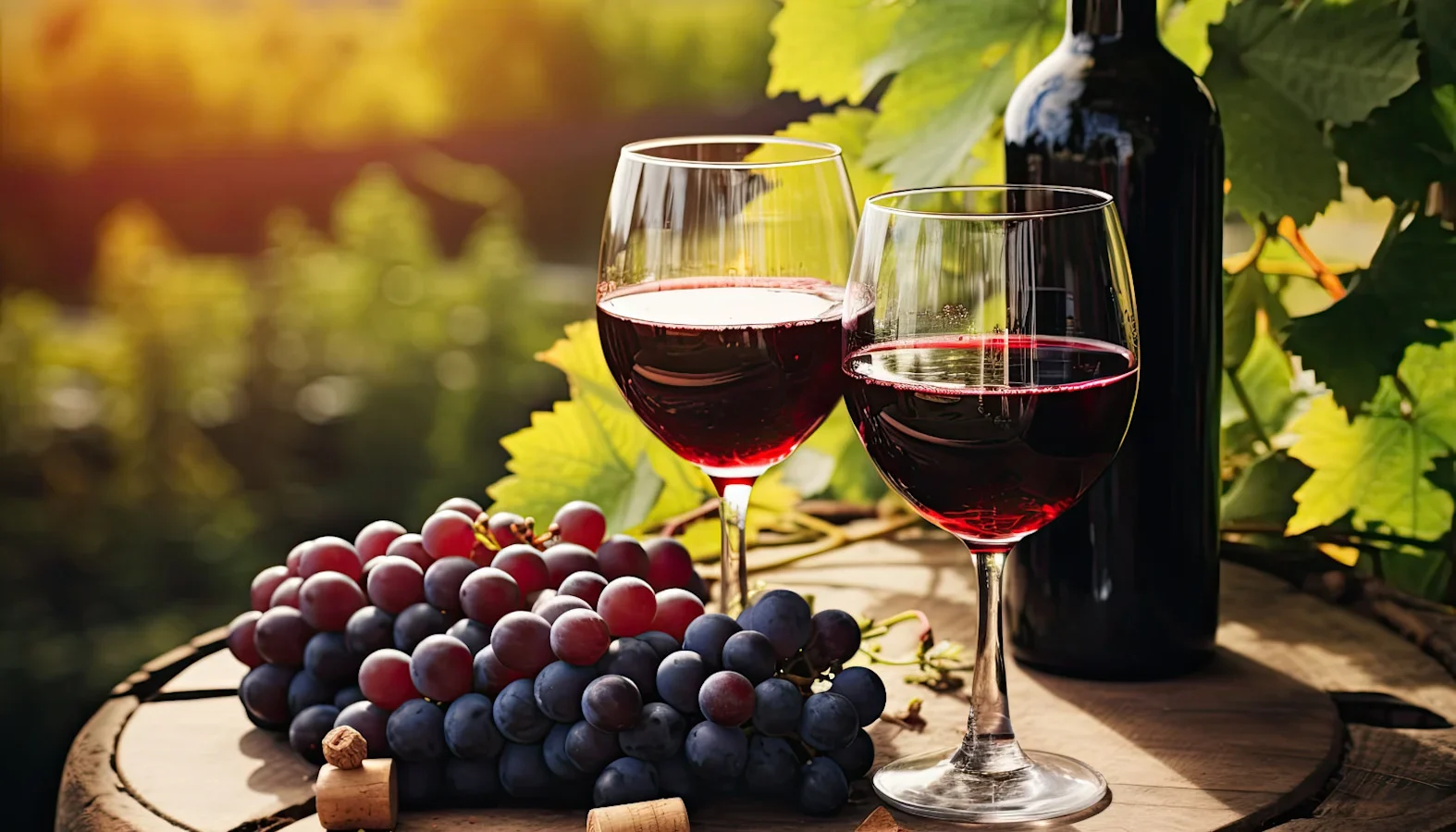
Red wine is made from red and black grapes and gets its colour from pigments in the grape skins – grape flesh and the juice is almost always clear.

Red wines can be made from a wide selection of grape varieties. Some of the most popular grapes are Cabernet Sauvignon, Merlot, Pinot Noir, Shiraz (or Syrah depending on where in the world you are), Malbec, Tempranillo, Cabernet Franc and Zinfandel/Primitivo. Each grape has its own unique characteristics, resulting in an array of red shades from light ruby to deep tawny.

Following the grape harvest, the stems are removed, and the grapes are gently crushed to break the skins and release the juice. The grape skins and seeds are allowed to sit and soak in the juice (a process known as maceration), to give colour and tannin to the wine. The longer the maceration process, the deeper the wine colour and the greater the tannins.

The next step is fermentation – when yeast converts the grape juice into alcohol.

Maceration continues as fermentation progresses, even after the yeast converts the fruit sugars into alcohol. This enhances the wine’s colour, flavour profile and tannin structure. Once the skins and seeds are removed, the wine is left to age. Often this is in oak barrels, but winemakers can also use stainless steel, cement tanks or clay amphorae to develop the desired secondary flavours in their wines. For blended wines, the blending of different varieties usually happens at this stage.

The wine is filtered and/or fined to ensure a smoother texture and better clarity before bottling. Depending on the wine variety, style and winemaker’s preferences, further ageing may occur in the bottle before it is sold.
White wine

Other than minimal-to-no skin contact, the process for making white wine is almost entirely the same as making red.

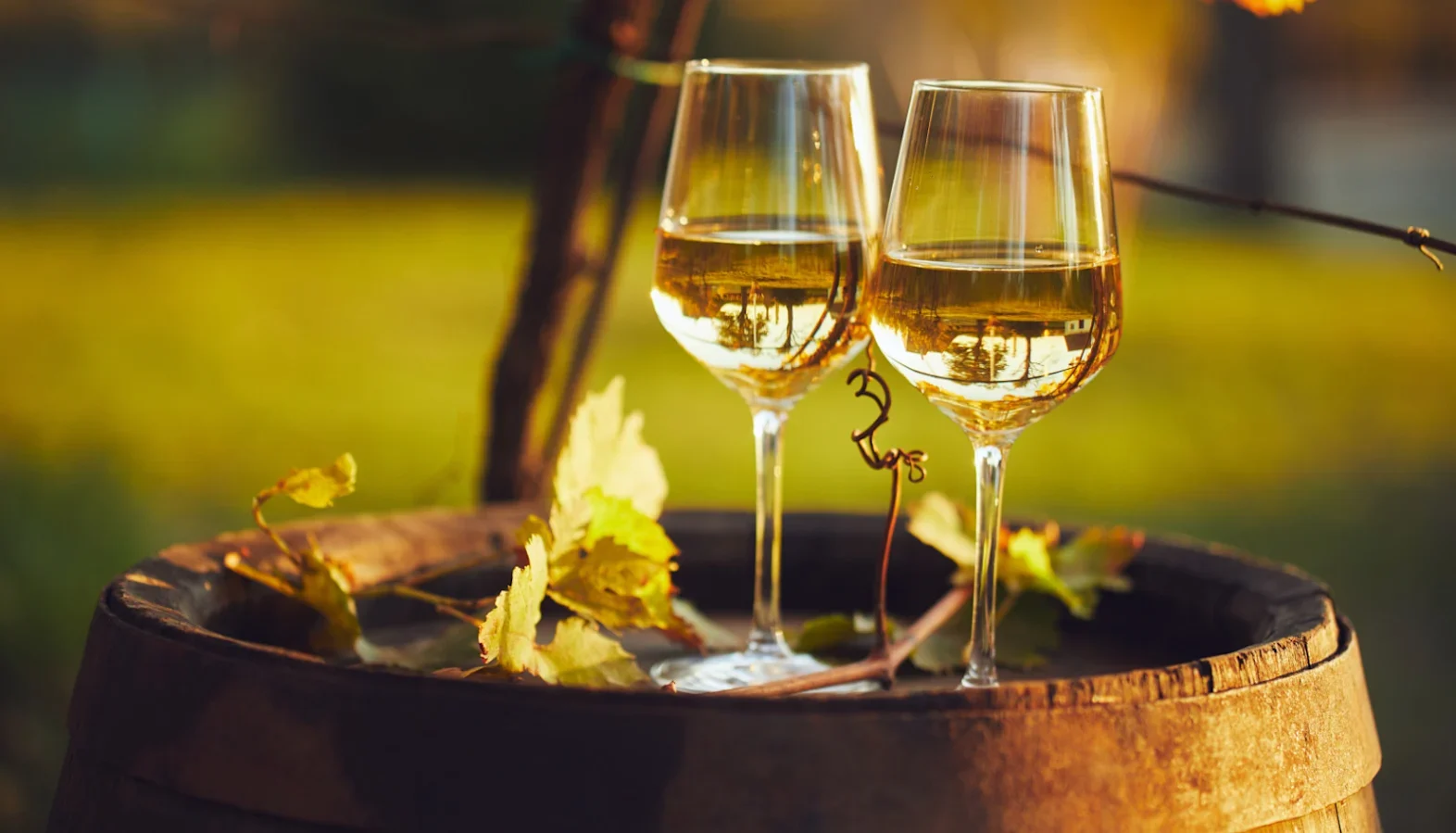
White wines are primarily made from green grape varieties, although a few are made from black grapes. Some popular white wine grape varieties include Chardonnay, Sauvignon Blanc, Pinot Grigio, Riesling, Albariño, Chenin Blanc and Viognier.

Unlike with red wines, the grape skins are discarded before fermentation in white wine production.

Some white wines will experience a brief maceration period to draw more flavour and aroma from the skins. This “skin contact” results in orange- or amber-hued wines.

White wines can also be aged in various containers, including oak barrels, stainless steel, cement tanks or clay amphorae. Stainless steel tanks are the most common choice, as they preserve the wine’s fresh, fruity and floral notes. However, oak barrels are used by some winemakers to allow oxygen exposure and introduce additional flavours and aromas (hello oaked Chardonnay!) creating richer, smoother white wines. Some white wines also undergo a process called malolactic fermentation, which can add richness and creamy flavours.

As with red wines, white wine is filtered before bottling and may be aged in the bottle before it is sold.
Flavours and aromas

Red wine

Each red wine carries its unique blend of flavours and aromas – a combination that results from the grape variety, the climate of the region and the geography of the vineyard. However, many share common notes, such as red or black fruits, spices and hints of savoury, earthly tones.

Popular red wines include:

  • Cabernet Sauvignon: Cabernet Sauvignon is known for its bold dark fruit flavours, such as blackcurrant and black cherry, along with notes of black pepper, tobacco and often a hint of vanilla from oak ageing.
  • Malbec: Expect rich flavours of plum, blackberry, black cherry and sweet tobacco, complemented with the aromas of violet, raisin and black pepper. Hints of cacao and vanilla can develop when the wine is aged in new oak barrels.
  • Syrah / Shiraz: Typically offers dark fruit flavours of blackberry and plum flavours, often coupled with spicy notes, hints of black pepper, chocolate and sometimes a smoky or meaty character.
  • Pinot Noir: It has a delicate profile with red fruit flavours of strawberry, cherry and raspberry, often layered with notes of earth, leather and sometimes a hint of spice.
  • Zinfandel / Primitivo: Boasts aromas of ripe strawberry and raspberry, followed by heady flavours of jammy blackberry, plum and cherry, often accompanied by spicy, peppery notes and sometimes a hint of tobacco.

White wine

Like red wine, a white wine’s flavour and aroma profile is heavily influenced by the choice of grape variety, winemaking techniques and where the grapes were grown. Common flavours span citrus, orchard, stone fruits, tropical fruits and white blossom, sometimes accompanied by green notes such as grass and herbs.

Popular white wines include:

  • Chardonnay: Typically presents flavours of green apple, pear and citrus, often with a touch of stony minerality when made in cooler climates. In warmer regions, it exhibits tropical notes such as pineapple and mango. Oak-aged Chardonnay can show vanilla and buttery nuances.
  • Sauvignon Blanc: Bold, leap-from-the-glass aromas that can span freshly cut grass to tropical fruits, with flavours of crisp gooseberry, passion fruit, zingy citrus and hints of juicy white peach.
  • Riesling: Expect aromas of tart citrus, stone fruits, floral notes like jasmine and sometimes hints of petrol. Riesling offers bright lime, green apple, pear and lemon flavours with sweet hints of pineapple and beeswax.
  • Pinot Grigio: Known for its light-bodied profile, Pinto Grigio traditionally showcases flavours of green apple, pear and citrus, along with floral aromas. Made in warmer climates, it can reveal hints of honey and ripe tropical fruits.
  • Viognier: Noted for its perfumed aromas of flowers like honeysuckle and violet, along with flavours of apricot, peach and tangerine. Often, it exhibits a creamy mouthfeel with a hint of spice.
The perfect food and wine pairings

Ultimately, the perfect pairing always comes down to personal taste. But successfully matching red and white wines with food can enhance your meal by complementing or contrasting flavours.

Below are some general guidelines that can help simplify food and wine pairing, but you don’t need to follow them rigidly. Simply pick your favourite wine to enjoy.

Red wine

Red wines typically have higher tannin levels, making them excellent for pairing with rich and fatty meats that can balance this astringency. For instance, a robust Cabernet Sauvignon pairs well with grilled steaks due to its high tannins and the ability to cut through the fattiness of the meat. Lighter reds, such as Pinot Noir, work well with roast chicken, turkey or mushroom risotto, as their earthy flavours can complement the dish without overpowering it.

White wine

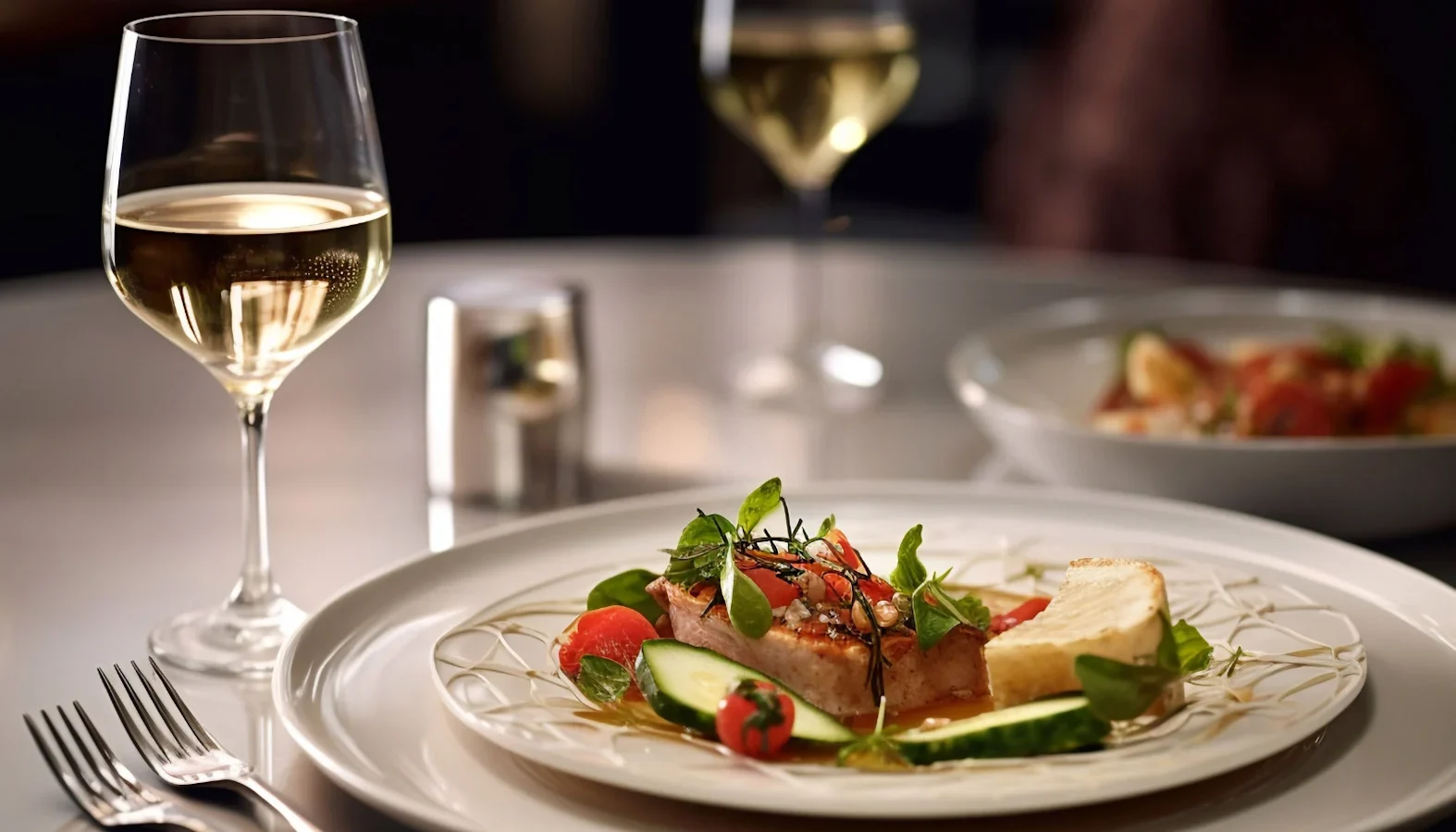
With their citrus and floral flavours, white wines match well with lighter foods such as chicken, fish and salads. Their high acidity can also cut through creamy sauces, helping to cleanse the palate. For example, the high acidity and citrus flavours in Sauvignon Blanc can complement a goat’s cheese salad or grilled white fish. Fuller-bodied white wines, especially those with toast and butter secondary flavours such as Chardonnay, can handle richer dishes – think lobster or creamy pasta.

It’s “red with meat, white with fish”, right?

While a good general rule to stop your food overpowering your glass of wine, feel free to break the old rule that red wine should only be enjoyed with meat. Salmon and a juicy, light-tannin Pinot Noir works really well, especially when the salmon is cooked as simply as possible. Equally, if you love white wine then a bold, buttery Chardonnay can even work with steak. Looking for more? Read our beginner’s guide to basic wine and food pairings.


We stop at nothing to bring you great wine

For over 50 years, we've gone off the beaten track to bring you great bottles from independent wineries around the world. We taste over 40,000 bottles a year to find the 800 or so that make the final cut. Juicy reds, refreshing whites, tasty rosés, thrilling fizz - you'll find all sorts of hidden gems in our handpicked wine collection.

Shop All Wine

About the author

Chris Larkin

A seasoned copywriter with over two decades experience, Chris has been part of the team since 2021. At Laithwaites HQ, you’ll find him either working on our latest catalogue or creating informative content for our website. Qualified to WSET Level 3 Wine, Chris is as geeky about wine as he is about copywriting. But when it comes to choosing a special bottle, he is a traditionalist, and loves a good Bordeaux or Mâcon Chardonnay.

money back guarantee icon

100% MONEY-BACK

Guarantee

free delivery icon

Free Delivery

on 12+ bottles

award winning icon

Award-Winning

Wines & customer service

trustpilot icon

Excellent

Rating