
Wine aeration: Is it necessary?
Written by: Chris LARKIN
Aerating wine simply means exposing the wine to air – often described as letting it ‘breathe’ – before drinking it.
This is something you can do before serving to help soften a wine’s flavours, enhance its aromas and make it more enjoyable to taste. Red wine is a popular choice for aeration, often described as “opening up” - but it isn''t always necessary.
This guide explains the benefits, potential drawbacks, and what you need to know to decide when and how to aerate your next bottle.
Which wines need aerating?
While not all wine needs to be aerated – young, full-bodied red wines with lots of tannins generally benefit most from aeration – some red wines that are described as ‘tight’ or ‘closed’ when a bottle is first opened should be aerated. This is because the wine’s tannins can be quite noticeable when first poured, giving a slight bitterness or dryness.
Aeration goes some way to softening these tannins, making the wine taste smoother and more balanced. It can also help to release the wine’s full range of aromas and flavours.
The following popular red wines can benefit from an hour in a decanter;
There’s no need to aerate many lighter-bodied reds, such as Beaujolais or a fruity Pinot Noir, as they are meant to be enjoyed from the first pour.
White wines typically don’t need aerating, though there are exceptions. A few complex, full-bodied whites from Bordeaux, Alsace, Burgundy, and other full-bodied, oak-aged Chardonnays can benefit from aeration.
How do you aerate wine?
Opening a bottle and letting the wine sit uncorked or uncapped isn’t enough for wine aeration.
A wine bottle’s narrow neck doesn’t allow enough contact with the air to improve the taste.
The good news is that there are several easy ways to add aeration to your wine-drinking routine:
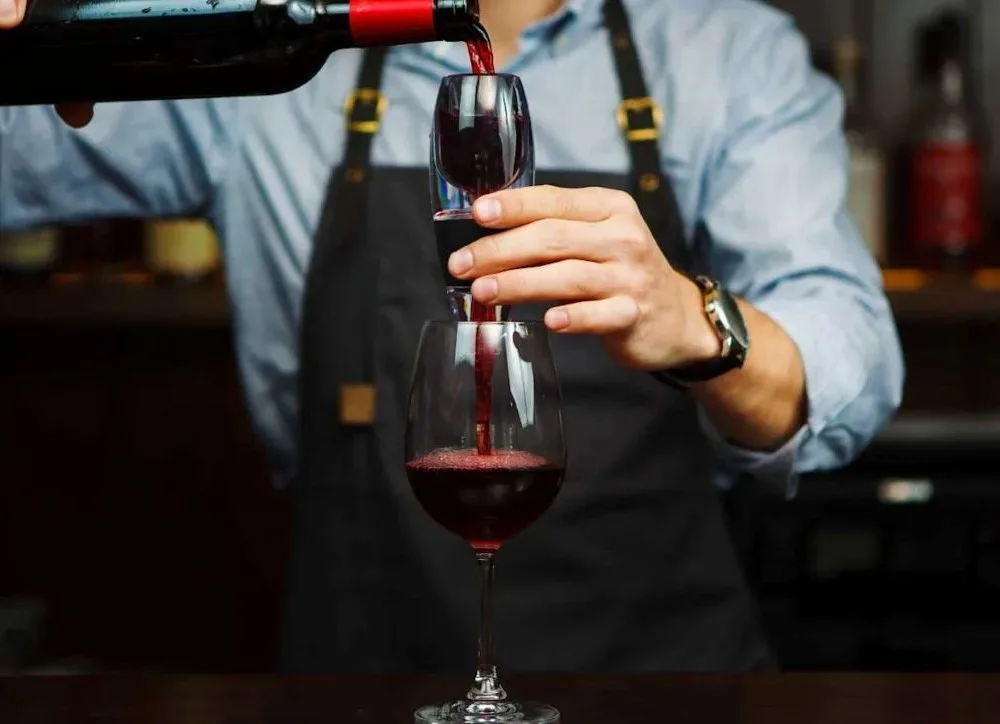
- Aerator – If you want to get serious about wine aeration, consider splashing out on a wine aerator. This attaches to the top of a wine bottle or is inserted into the glass before pouring. It creates tiny bubbles in the wine as it’s poured, helping to expose the wine to oxygen.
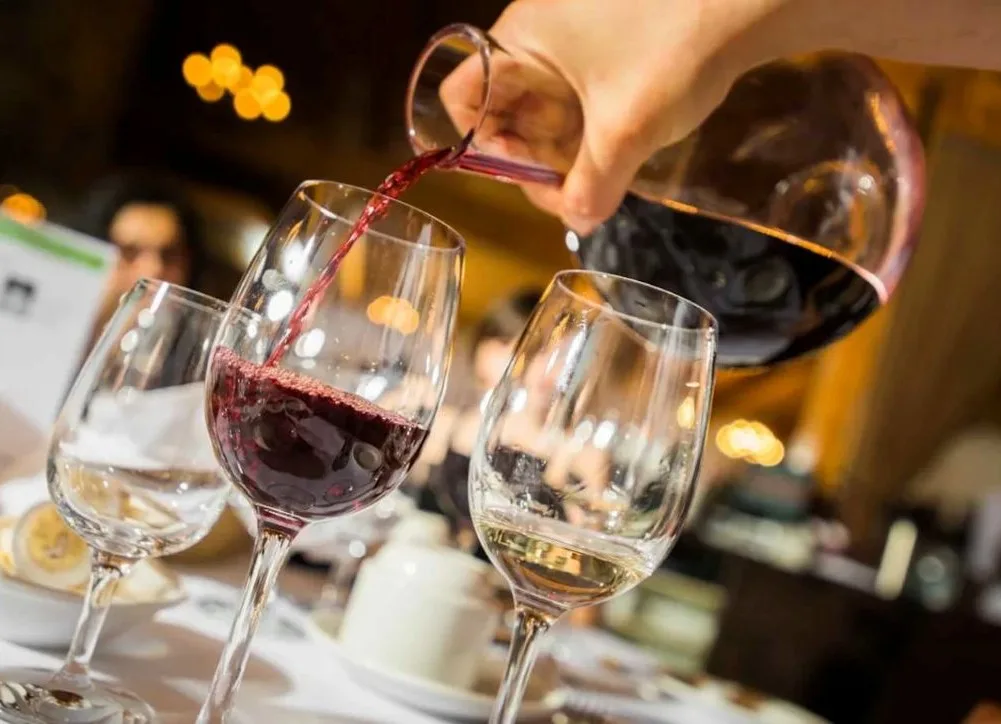
- Decanting – This means pouring wine into a separate container, such as a decanter or glass jug, before serving, helping expose the wine to air.
- Funnels and filters – Wine funnels and filters serve the same purpose as aerators but work slightly differently. A wine funnel helps push the wine against the decanter’s side as it’s poured, letting more air interact with the wine through a bigger surface area. Look for funnels with built-in filters, which can help remove sediment and aid aeration.
- Swirling – Simply swirling your wine in the glass can help encourage exposure to the air. A good bet is gently swirling the glass for several seconds before sipping.
Benefits of aerating wine
Enhanced flavours and aromas – Aeration can help fully release a wine’s aromas and enhance the wine’s overall flavour.
Better texture – Aeration can improve the texture of red wine by softening the tannins and creating a smoother texture. This can make the wine feel more velvety and luxurious in the mouth.
Drawbacks of aerating wine
Over-aeration – It is possible to overdo aeration. If a wine is aerated for too long or too aggressively, it can lose some fruitiness and become flat or dull.
Unnecessary for simple wines – Some wine experts argue that aeration is unnecessary for everyday, young red wines because of their lack of complexity.
Personal preference – Whether you aerate a wine or not is a matter of personal preference. Some people prefer the taste of red wine straight out of the bottle.
How long should you aerate wine for?
The length of time to aerate depends on the type and age of the red wine, and there are a few things worth knowing that can influence whether you go short or long on the aeration:
- Young, tannic red wines – These wines can benefit from a few hours of aeration before drinking. Decant the wine into a decanter a couple of hours before serving to open up the wine as much as possible.
- Older, delicate red wines – These wines can be more sensitive to oxygen and may only need to be aerated for a few minutes before serving. Too much exposure to air can cause the wines to lose their characteristic flavours and aromas.
Some prefer their wine to be more heavily aerated, while others prefer something more subtle. It’s also worth considering the specific characteristics of your wine and adjusting the aeration time accordingly. Try experimenting with different aeration times and methods to find what works best for your choice.
choosing a wine aerator
Several types of red wine aerators are available, but most work by creating tiny bubbles in the wine as it’s poured, mixing air into the wine. Wine aerators use three methods: waterfall, vortex or aeration chamber.
Each type has a different way of introducing air to the wine, resulting in a unique effect on the wine’s flavour and aroma.
- A waterfall aerator has a simple design that works by pouring the wine through a funnel, then passing it through a series of narrow slits where the wine is exposed to the air. Waterfall aerators are the simplest and most affordable option
- A vortex aerator has a more complex design that swirls the wine as it passes through. This swirling motion helps to mix the wine with air more thoroughly, resulting in more intense and complex flavours.
- At the top end are models that use an aeration chamber to introduce air to the wine. Wine is poured into the top of the device, and as it flows down into the chamber, it is exposed to air. The wine then passes through a narrow spout, which helps to release any remaining air bubbles and further enhances the wine’s flavour and aroma.
If you’re choosing a wine aerator, buy one that will bring out the best in your wine. They also make great gifts for wine lovers.
We stop at nothing to bring you great wine
For over 50 years we've been delivering wine the right way. Our local experts taste over 40,000 wines each year - and only 2% make the grade. Start your red wine journey with our handpicked selection, from modern Australian and Argentinian reds, to the classics of Bordeaux, Rioja, Burgundy and beyond.
About the author
Chris Larkin
A seasoned copywriter with over two decades experience, Chris has been part of the team since 2021. At Laithwaites HQ, you’ll find him either working on our latest catalogue or creating informative content for our website. Qualified to WSET Level 3 Wine, Chris is as geeky about wine as he is about copywriting. But when it comes to choosing a special bottle, he is a traditionalist, and loves a good Bordeaux or Mâcon Chardonnay.