
Wine Vintages Explained
Last updated: October 17, 2025
Written by Nikki Jacoby
Wine lovers talk a lot about vintages. You’ll hear whispers of the legendary ‘82 Bordeaux’ or ‘a cracking 2010 Barolo’.
But, what does a wine’s vintage actually mean? And … does it even matter?
What is a wine vintage?
A wine’s vintage is the year in which the grapes are harvested.
- In the northern hemisphere, the whole growing season lies within the vintage year – April to October.
- Wines from the southern hemisphere, however, start their season in one year, around October, and are harvested in the next, sometime between January and May, depending on the country.
- The year of the harvest is the one you will find on the label.
Next rule – if a year appears on a label, a minimum of 85% of the wine must be from that vintage. A winemaker can choose to add up to 15% of another year/years to refresh an old wine – or give some age and complexity to a young one. However, most wines, apart from Champagne and some fortified wines, are from only one vintage.
When does a wine vintage matter?
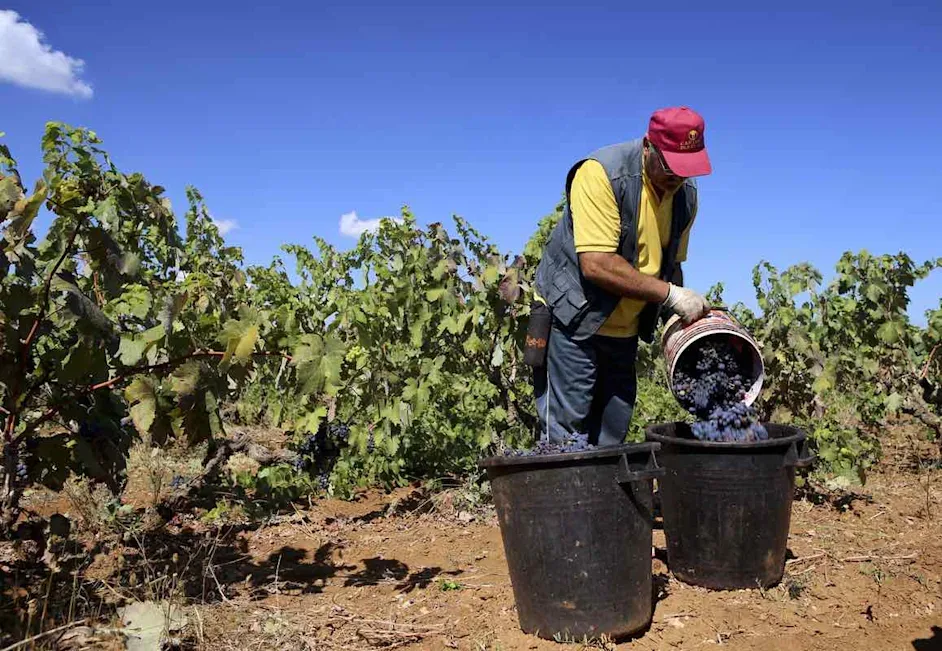
The quality of a wine will depend partly on the skill of the winemaker, but also on the weather during the growing season.
Wind, rain or a mix of the two while the vines are trying to flower has an adverse effect. It means fewer flowers, which translates into fewer buds on the vines, fewer grapes and lower yields at harvest time.
Bad for the grower’s bank balance, but actually fewer grapes often mean more flavour in the remaining ones.
Rain and warmth combined are a definite disadvantage in the vineyard. These conditions encourage diseases like mildew and rot. However, rain at the right time keeps the vines watered and nourished, while lots of heat and sunshine will produce lovely ripe fruit flavours in the grape, and will lower acidity.
If you enjoy wines from regions with unpredictable weather – maybe rain at harvest time or unreliable summers – then you might want to brush up on vintage quality.
Sadly for growers, all regions nowadays suffer from unpredictable weather patterns. Steps can be taken to mitigate some aspects of the weather, but a sudden hail storm can’t be planned for and a whole’s year’s work can be wiped out in a matter of minutes.
Read Tony Laithwaite's (mud-splattered) overview of the 2025 grape harvest
How winemakers adapt
So, you can see the weather pattern for a region and a vineyard does make a difference to the flavour in your glass. Dedicated and talented growers and winemakers can take action to counteract weather conditions. These might include;
- reducing the number of grape bunches to give more concentration to the ones left behind
- cutting back the vine foliage to expose grapes to more sunshine
- picking earlier for freshness, or picking later for more ripeness
For most wines that are for everyday drinking, however, winemakers use their skills to produce a consistent style. If you’re choosing wines for investment or for cellaring a few years in the hope they will improve, you’ll be more concerned about the vintage and whether the wine has the qualities to age.
Breaking the vintage rule
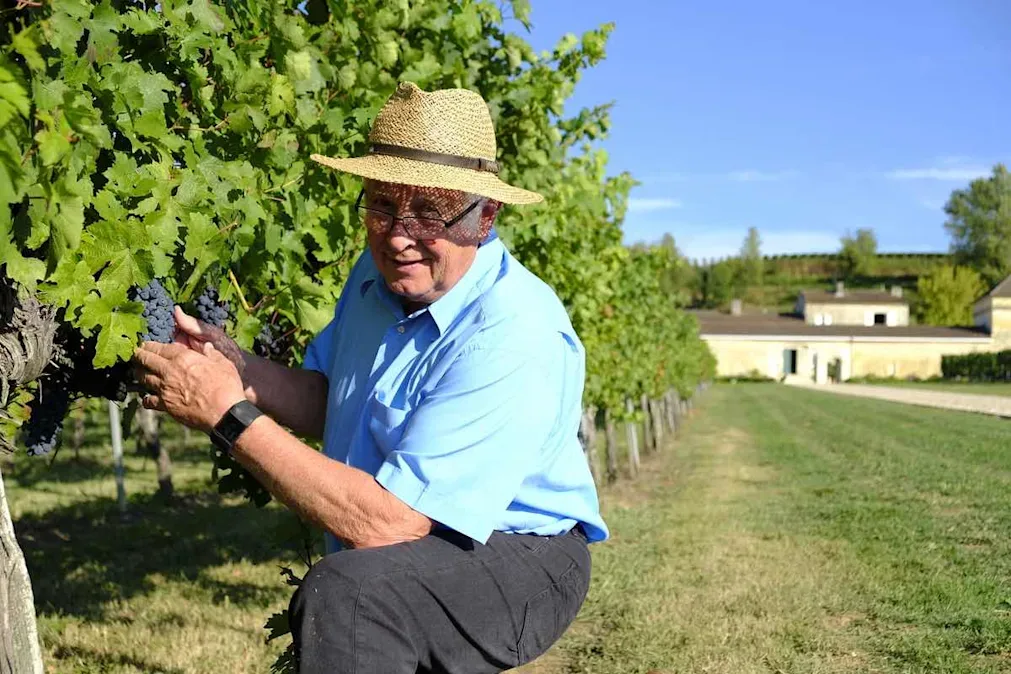
Nearly all still wines are vintage, but there are a few top-end wines that are vintage blends – namely Penfold’s Grange G3, Vega Sicilia Unico and Opus One Overture that go for around £1,800, £400 and £200 a bottle respectively.
Champagne and most fortified wines come from a blend of vintages and are called non-vintage or NV. The aim is to produce a house style that is very similar every release. They take the majority of the grapes from one vintage, then blend in reserve wine, which will itself be a blend of older vintages, to lend layers of complexity and maturity.
Vintage Champagne, Vintage Port and the very occasional Vintage Madeira will be from the vintage specified on the label.
Putting vintages to the test
Want the taste the difference a vintage can make to your wine?
Take the same wine from two vintages – say a deliciously ripe 2022 Bordeaux red and one from a more classic year like 2021.
In 2021, temperatures were significantly cooler during the summer, so you’ll find less big bold fruit in clarets from this year and more freshness.
Why not try those two vintages from Château La Clarière in Castillon:
Of course, one has a year’s more age, but the 2022 is bigger, riper and bolder thanks to the weather conditions that year.
Final thoughts: No two vintages are alike
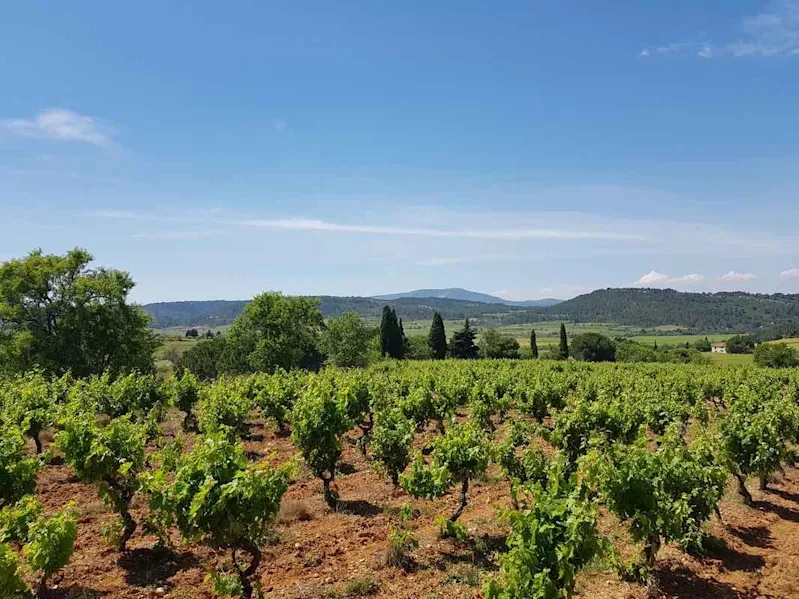
The great joy of wine is its individuality. When a region is said to have a difficult year, you will always find variation – appellations can be wide and sprawling for starters.
Take the Languedoc in 2024 – some areas had torrential rain, some drought and some ideal amounts of rain and sunshine.
Also take into account the skill of the team making the wine. Indeed, some winemakers prefer to work with a more challenging vintage and think they make better wine.
Whatever the vintage, buyers at Laithwaites always work with the growers or wineries to select the best cuvées, ensuring you get a great wine in your glass every time.
We stop at nothing to bring you great wine
For over 50 years, we've gone off the beaten track to bring you great bottles from independent wineries around the world. We taste over 40,000 bottles a year to find the 800 or so that make the final cut. Juicy reds, refreshing whites, tasty rosés, thrilling fizz - you'll find all sorts of hidden gems in our handpicked wine collection.
About the author
Nikki Jacoby
Nikki has spent all her career in wine, selling it first by the spoken word, then as a writer in the publishing world, before returning to work within the Laithwaites’ copy team for most of the last 30 years. Many years ago, she passed both halves of the diploma, but the greatest education in wine has been a full immersion in it, visiting the places and talking to its many passionate producers. As a topic, it will never cease to fascinate.