
- Home
- blog
- wines around the world
- First Timer’s Guide to Barolo Wines
Hailing from the Barolo appellation in Piedmont, northeastern Italy, Barolo is renowned for quality. This full-flavoured red wine has a rich history and a terrific reputation, which makes it a significant player in the world of Italian wines.
Barolo is made solely from Nebbiolo, a grape variety that, despite its thin skins, is known for strong tannins, high acidity, and profound floral aromas. A standout feature of Barolo is its impressive ageing potential. Even after a mandatory ageing period at the winery, top Barolos can continue to evolve for several more decades in the bottle.
Barolo is not only one of the finest wines of Italy, but also one of the most celebrated in the world, with Barolo fans splashing out big bucks for wines from the most revered winemakers and vineyards.
Barolo’s styles and flavour profiles
Like all wines, the style of Barolo can vary.
Traditionalists produce intense, delicately nuanced red wines, with high acidity and tannins that take time to soften. They are not heavyweights, but are full of an amazing array of flavours that some compare to Burgundy. Modernists make wines that are a little bit more fruit-forward and less tannic - but all Barolos will benefit from a little ‘breathing time’.
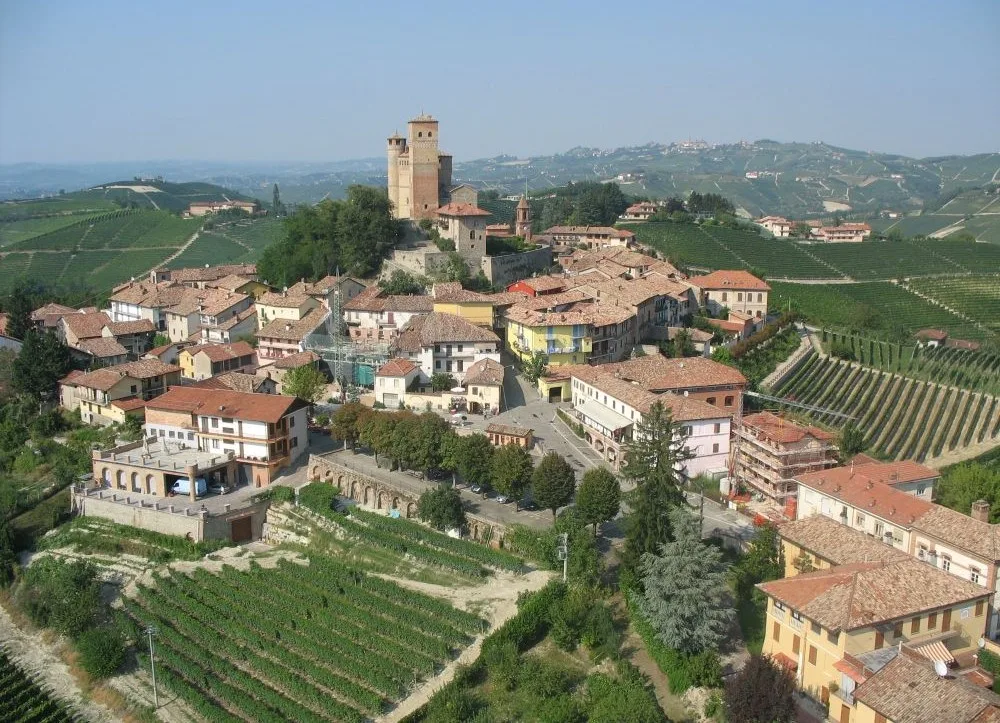
Barolo wine originates from the region of the same name in the Langhe district of Piedmont in northeastern Italy. The area is known for its rolling hills, castles and vineyards.
There are 11 communes (or subregions) within the Barolo municipality, and the five most prized are;
- Barolo
- La Morra
- Castiglione Falletto
- Serralunga d’Alba
- Monforte d’Alba
Piedmont’s continental climate is crucial for developing the native Nebbiolo grapes’ complex flavours, aromas and style. A significant drop between day and night-time temperatures helps to slow the ripening, deepen flavours, whilst still retaining great freshness and intense aromas in the grapes.
Barolo classifications
Nebbiolo – the star grape of Barolo
Only the Nebbiolo grape is permitted in Barolo, and is known for its distinctive high tannins with pronounced acidity – perfect for wines that need long ageing. Nebbiolo wines tend to have complex aromas of cherries, red berries, roses and truffles, often layered with hints of tar and tobacco leaf.
Long maceration and ageing
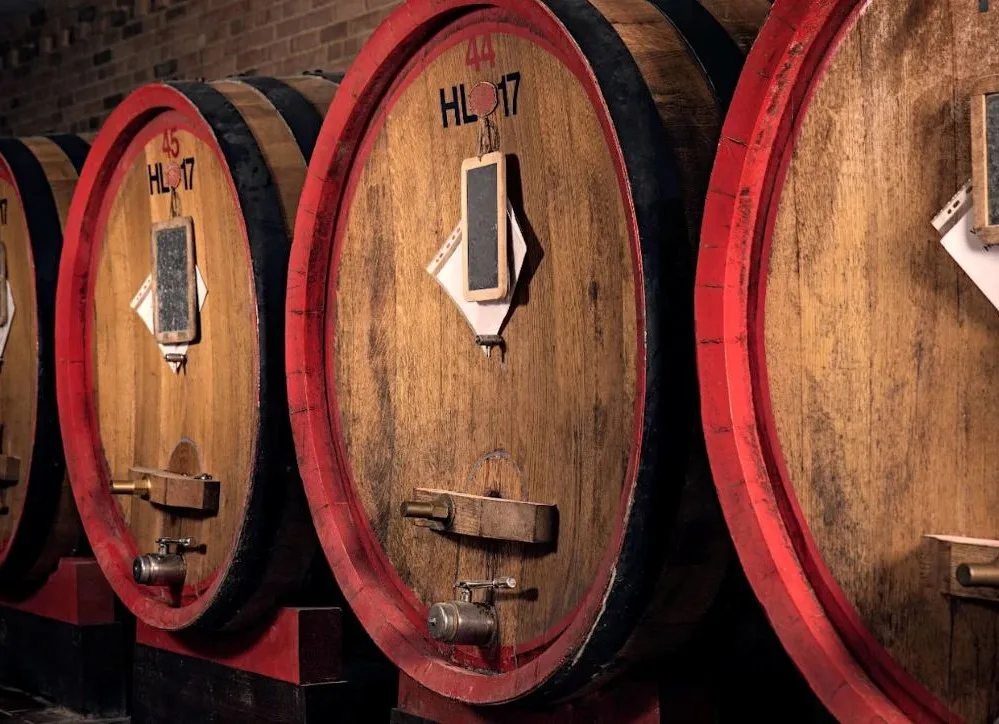
The production of Barolo follows traditional methods that maximise the potential of the Nebbiolo grapes. This variety buds early and ripens late – it’s usually mid-October before they are ready. The grapes are then crushed, and the juice is left on its skins to ferment for up to a month – significantly longer than many other red wines.
This prolonged maceration produces the intense flavours and high tannins that Barolo is famous for. Following fermentation, the wine is aged for a minimum of 38 months, 18 of which must be in oak or chestnut barrels. Riserva Barolo requires a more extensive ageing process of at least 62 months.
How to Serve Barolo (And Make It Sing)
Cracking open a bottle of Barolo? Make sure you do it justice.
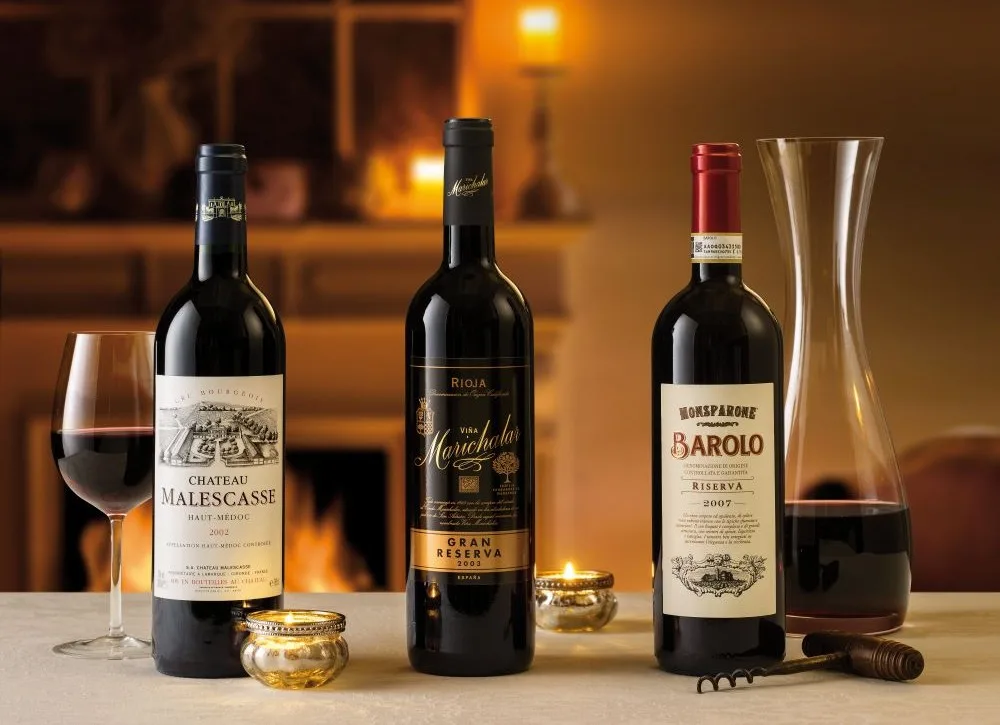
Start by opening it early and preferably decanting it at least two hours beforehand, preferably as many as six hours, to let the wine’s amazing array of flavours open out and the tannins soften. Younger wines will benefit from the longest breathing time.
Serving temperature is also key – we say room temperature, but of course that depends on your room. Say around 17°C.
A large, Bordeaux-style glass works best when serving Barolo, so you can gently swirl the wine around in the glass and allow those delicious aromas to lift and greet you!
classic food pairings for barolo
Barolo’s vibrant acidity, high tannins and intricate flavours make it the perfect companion for similarly complex and full-flavoured foods.
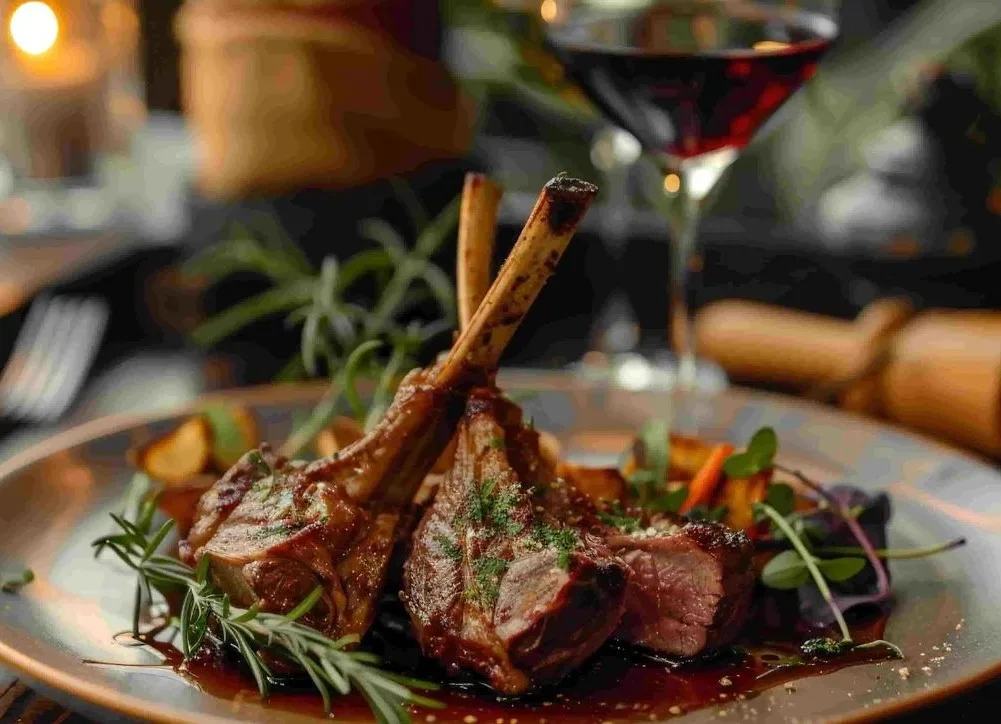
1. A classic pairing is with rich red meats, such as beef or lamb. The high tannin and acidity content of Barolo can offset the fattiness of these meats, while the wine’s complexity can perfectly complement their strong flavours.