
- Home
- blog
- wines around the world
- Cava: A Guide to Spain’s Famous Fizz
What is Cava? A Guide to Spain’s Famous Fizz
Cava is Spain’s most famous fizz, loved for its zingy lemon and lime flavours and fine bubbles. Affordable and versatile, it’s perfect for everyday indulgence as well as special occasions.
But what exactly is Cava? And how is it different to Champagne? Here we’ve answered your burning Cava questions, and shared some of our favourite food pairings.
Cava: At a Glance
Where is Cava from? Across Spain – but especially Penedès
How is Cava made? Traditional Method – like Champagne
What grapes does Cava use? The "Big Three" Spanish natives - Macabeo, Parellada and Xarel-lo
What does Cava taste like? Crisp, citrusy and refreshing – complex when mature
What is Cava, and why is it unique?
While Champagne and Prosecco are named after the regions in France and Italy they come from, Cava is a little different. Instead, it takes its name from the ‘caves’ in which the Spanish sparkler is aged.
While the fizz is made across Spain – everywhere from red wine hub Rioja to the rosé-focused region of Navarra – Cava’s heartland is Pendedès, where 95% of the annual Cava production takes place – a whopping 250 million bottles!
Originally known as ‘Spanish Champagne’, the name ‘Cava’ was adopted by winemakers in the 1970s to differentiate the Spanish fizz from its French rival.
Available in a range of styles and sweetness levels, Cava boasts ‘Denominación de Origen’ (DO) status in Spain, meaning it must adhere to certain guidelines and be produced within a specific (albeit large) geographic border to bear the name Cava on the label.
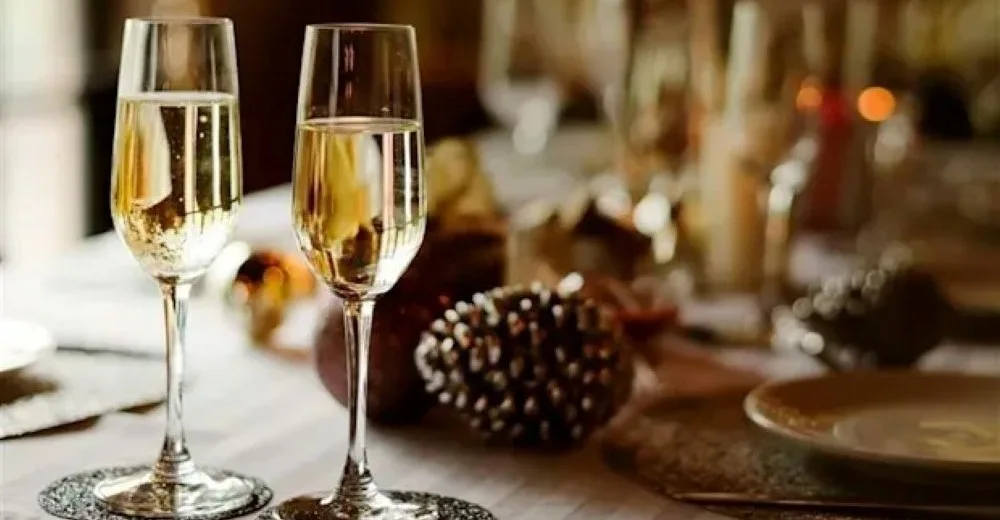
Cava vs Champagne: what’s the difference?
Let’s start with their similarities. Like Champagne, Cava is made from three principal grape varieties that are native to Spain: Macabeo, Parellada and Xarel-lo.
Cava is also produced in the same way as Champagne, using the ‘traditional method’ – in which a secondary fermentation takes place inside the bottle.
The core differences? Champagne is made in a cool-climate region of France, while Cava comes from the hotter northeast of Spain. This difference in climate and soil affects the character of the wines.
Another distinction lies in the grapes used – two of the three used in Champagne production are red grapes, which add power and structure to the blends. With the exception of rosé expressions, Cava is almost entirely produced from white grapes, leading to a brighter, zestier style with high acidity.
Price also sets the two apart - Cava tends to cost significantly less than Champagne, whose prices are rising by the year. You can nab a quality bottle of some of the best Cava wine for around £10, while brut non-vintage Champagnes from well-known brands start at around £30.
Styles of Cava
Cava comes in a variety of styles and sweetness levels, which are worth getting to grips with if you don’t want a surprise when you pop your cork.
The most common style is Brut Cava (meaning dry) which contains very little sugar. In recent years even drier styles of Brut Cava sparkling wine have become popular, with Extra Brut and the drier still Brut Nature proving a hit with cava-lovers.
For Cava’s sweeter styles, seek out Seco Cava. At the sweetest end of the spectrum, you’ll find Semi-Seco and Dulce Cavas, which boast tooth-tingling levels of sugar, making them an ideal pairing for desserts. Somewhat confusingly there is also an ‘extra-Seco’ Cava, that, despite the name, falls in the middle of the spectrum.
While most Cava is white, rosé styles have been growing in popularity. Like pink Champagne, rosé Cava includes a portion of red grape juice in the blend, which must come from permitted red grapes: Garnacha, Monastrell and Pinot Noir.

What does Cava taste like?
Cava’s flavour profile depends on its sweetness levels and how long it has been aged. The drier styles tend to be light to medium-bodied with refreshing citrus flavours of lemon and lime, a distinct chalky minerality and racy acidity.
Cava comes into its own with a bit of bottle age, and those aged for longer offer appealing notes of baked apples, quince, roasted almonds and brioche.
Cava’s tiny bubbles produce a fine mousse that gives the sparkler a smooth and creamy mouthfeel.
Rosé Cavas are full of red fruit flavours, from strawberries and raspberries to cherries and forest fruits, and share white Cava’s creamy texture.
Understanding Cava’s Classifications
Cavas are classified by how long they have been aged.
The majority of Cavas are ‘Joven’ (meaning young), which are aged for nine to 15 months.
Next come the ‘Reserva’ Cavas, which are aged for a minimum of 15 months, giving them more complex flavours.
Then come the ‘Gran Reserva’ Cavas that are rested for at least 30 months, leading to an even greater depth of flavour with biscuit and brioche notes.
The highest quality wines are the ‘Paraje Calificado’ Cavas, which are aged for at least three years.
Pairing Food with Cava
While usually enjoyed as an apéritif, the Spanish sparkler is versatile enough to pair with an array of dishes.
Its racy acidity makes it a perfect partner for seafood. Surprisingly, Cava is delicious with Fish & Chips! For a more traditional fish pairing, try Gambas al Ajillo (Garlic Shrimp).
It’s also ideal with salty Spanish nibbles, from smoky chorizo to Manchego cheese.
The sweeter styles are a heavenly match with Spanish desserts such as crema Catalana and Basque cheesecake.
Serving Tip: Young Cavas are best served chilled at around 6–8ºC, either in a tulip-shaped flute or a white wine glass. Aged Cavas should be served slightly warmer, at 8–10ºC, to unlock their complex aromas.
Final thoughts
Cava is more than just Spain’s answer to Champagne - it’s a sparkling wine rooted in tradition, while remaining accessible and versatile. From crisp, youthful bottles to complex, aged styles, Cava offers exceptional quality at a fraction of the price of its French counterpart.
Whether you’re enjoying it as an apéritif or pairing it with salty Spanish delicacies, Cava brings a touch of celebration to any occasion.
We stop at nothing to bring you great wine
Whether you want to pop a soft and fruity Italian Prosecco, Spanish Cava or France's mouthwatering Crémant de Loire, you’re sure to find a sparkling wine to suit your taste and budget from our award-winning cellars.
About the author
Chris Larkin
A seasoned copywriter with over two decades experience, Chris has been part of the team since 2021. At Laithwaites HQ, you’ll find him either working on our latest catalogue or creating informative content for our website. Qualified to WSET Level 3 Wine, Chris is as geeky about wine as he is about copywriting. But when it comes to choosing a special bottle, he is a traditionalist, and loves a good Bordeaux or Mâcon Chardonnay.