

- Home
- blog
- wines around the world
- Beginner's Guide to Rioja
when brogan met rioja
If you’re an avid red wine drinker like me, there’s a good chance you’ve heard of Rioja. And, before we continue, I’ve a quick confession to make.
Before I started working in the wine trade, I thought all Rioja was the same. Shocking, I know. So, what did I know about Rioja? Well … I knew it was Spanish. I knew that I often saw it on wine lists in restaurants. And I knew that I enjoyed drinking it. Beyond that? I was pretty clueless.
It wasn’t until my second week at HQ that I ‘got’ it. I was blind tasting a dozen wines, when one in particular stopped me in my tracks.
I was hooked.
Imagine my surprise when I learned it was a Rioja. Surely not. The Rioja I’d enjoyed for years was fresh and fruity. And this … well, this was the complete opposite. Dark berry fruits, silky vanilla, a sprinkling of spice – it was luscious, complex and irresistible.

What grapes are grown in Rioja?
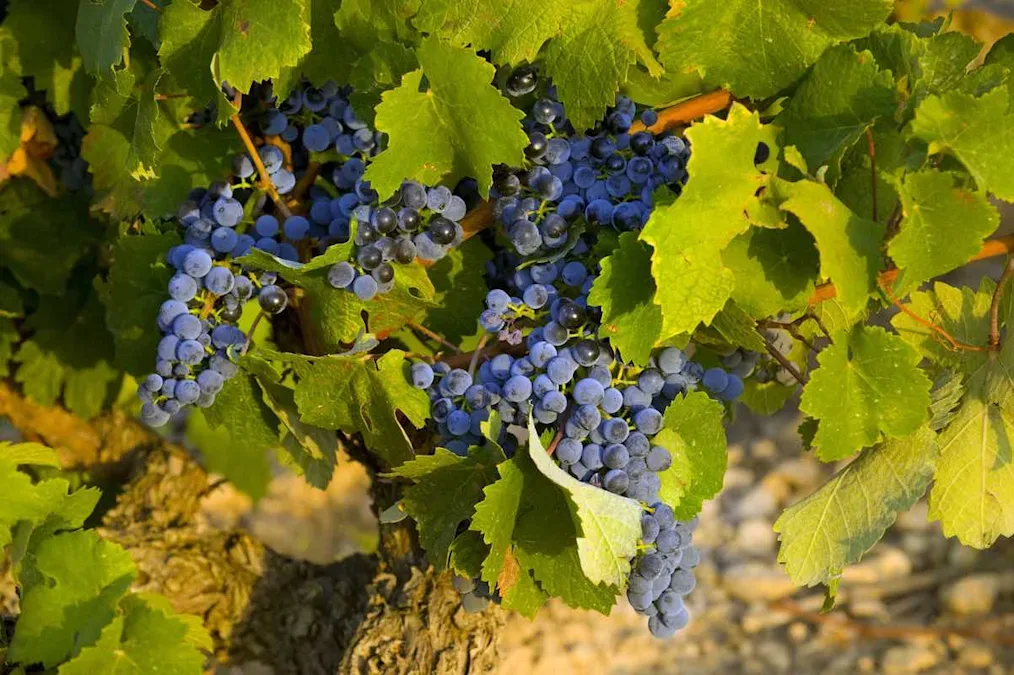
Reds
The main grape grown in Rioja is Tempranillo. It’s Rioja’s star variety – and accounts for a whopping 75% of the region’s total plantings.
Known for its early ripening characteristics (temprano means ‘early’ in Spanish), Tempranillo is a robust grape that grows well in a range of climates and soils. Its body and tannins depend on the heavily on the region and winemaking practices, but this grape imparts delicious red cherry, strawberry, plum, fig and spice notes to its wines.
Other permitted red grapes include:
- Garnacha: produces intense and rounded wines, with red fruit and dried plum aromas.
- Mazuelo (known as Carignan in France): its high tannins lend structure to wines – ideal for blending as it improves ageing potential.Graciano: produces silky wines with red and black fruit aromas.
- Maturana Tinta: a native grape rescued from the brink of extinction (though still planted in miniscule amounts). Lends intense colour, tannins and green pepper notes.
When blended with Tempranillo, these varieties add complexity, depth and structure to Rioja’s reds.
Whites
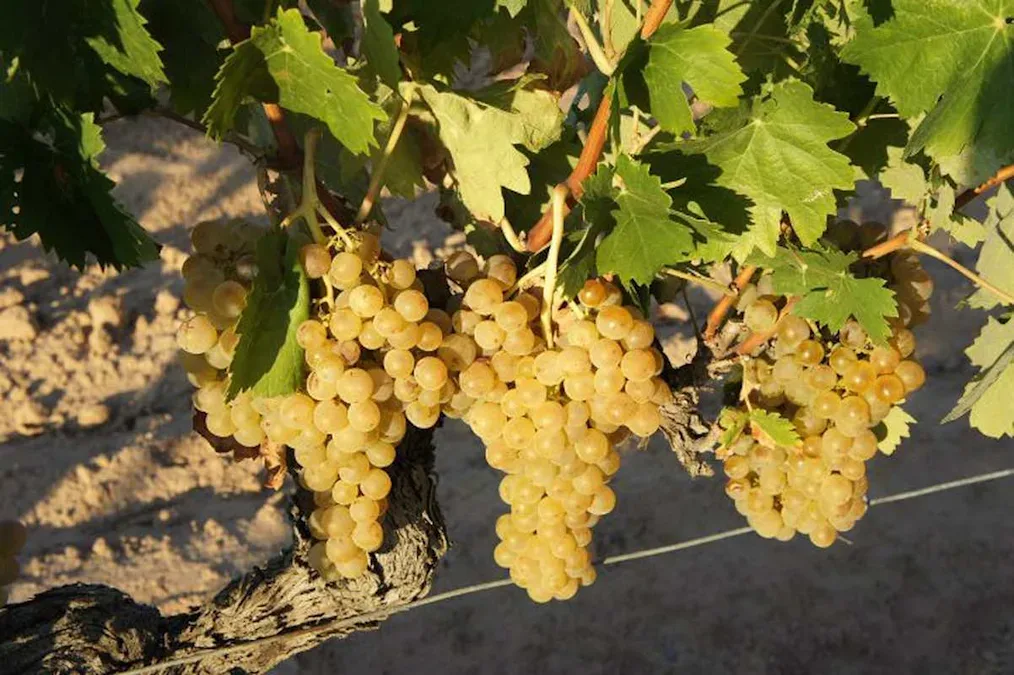
Viura is the most widely planted white grape variety in Rioja. It’s incredibly versatile and thrives in a range of soils and climates. When enjoyed young and fresh, expect green apple, lemon and citrus flavours with floral aromas. Due to its racy acidity, Viura also has remarkable ageing potential. When aged on its lees, Viura wines develop a creamy, rounded finish with delicious honeyed notes.
Other permitted white grapes include:
- Garnacha Blanca: adds textured and richness, peach, pear and citrus notes.
- Malavasía: wonderfully aromatic with ripe stone fruit, honey, and subtle spice.
- Tempranillo Blanco: a rare mutation of the Tempranillo grape, which lends crisp acidity and floral aromas.
- Maturana Blanca: one of Rioja’s oldest indigenous varieties. It’s light-bodied with high acidity and flavours that range from citrus to quince.
- Turrentés: wonderfully fragrant, with floral and peachy aromas.
- Chardonnay: the world’s most versatile grape lends structure and freshness to wines.
- Sauvignon Blanc: adds freshness and vibrant acidity to wines.
- Verdejo: known for adding green fruit flavours and bright acidity to blends.
What are Rioja’s wine regions?
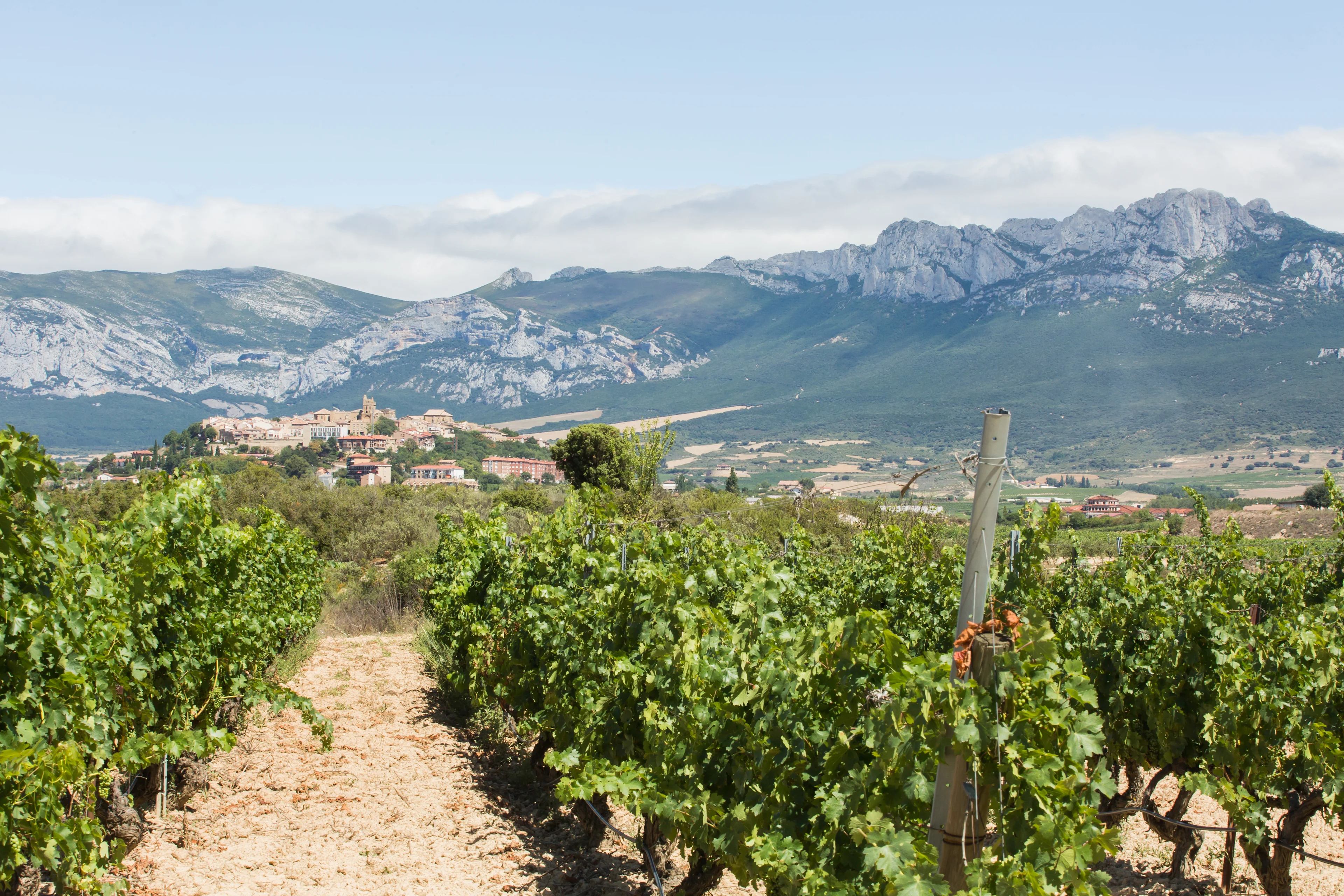
Rioja is divided into three winemaking regions, each lending their own unique characteristics to the wines.
Rioja Alta:
The most westerly region, characterised by high-altitude vineyards. The cooler temperature of Rioja Alta is perfect for growing slowly ripening grapes. You’ll find robust, structured wines with high tannins – and great ageing potential.
Rioja Alavesa:
Despite being the smallest subregion, Rioja Alavesa has a reputation for highly respected wines. Located north of the Ebro river, close to the Cantabrian Mountains, grapes thrive in high-altitude vineyards influenced by the region’s chalk-clay soils and cooler climate. You’ll find wines with bright acidity, great freshness and intense aromatics.
Rioja Oriental:
The most easterly region, with a warmer, drier Mediterranean-style climate. Garnacha is planted more widely here, producing high-alcohol, low-acidity and fuller-bodied wines that are often added to blends.

What foods pair with Rioja wines?
Because of their balance of fruit, acidity and tannins, Rioja wines are incredibly food-friendly. And because Rioja wines range from young and fresh to complex and oak-aged, there’s a style for every fish. So, here’s how to make the most out of your wine.
Joven reds: Light dishes, Tapas, Grilled veggies, Crisp salads
Crianza reds: Hearty dishes, Grilled meats, Roasted lamb, Mushroom risottos
Reserva reds: Slow-cooked beef, Game meats, Paella
Gran Reserva reds: Aged cheeses, Slow-roasted meats
White Rioja: Seafood, Salads, Fish dishes, Soft cheeses


