
- Home
- blog
- wines around the world
- Beginner's Guide to Madeira
Beginner's Guide to Madeira Wine
Madeira wine is one of the world’s most distinctive fortified wines, shaped by heat, time and the rugged Portuguese island it comes from.
Discover how it tastes, what makes it unique, and the best ways to bring Madeira's rich, complex flavours to your dinner table.
What is Madeira wine?
Madeira is a fortified wine from the Portuguese island of Madeira, which lies off the coast of Africa. This unique wine is created in a special process where it’s heated and aged, giving it a distinctive flavour. It comes in four styles – Sercial (dry), Verdelho (medium-dry), Bual (medium-sweet) and Malvasia/Malmsey (sweet).
With flavours ranging from nutty to caramel-like, Madeira can be enjoyed as an aperitif or dessert wine. Once opened, its complexity and ability to last a long time make it popular with fortified wine lovers.
There are two main types of Madeira wine, each with its own style and quality. These are:
- Blended Madeira - These affordable wines generally offer average quality, although a few outstanding aged blends stand out.
- Single-varietal Madeira - These are top-tier Madeira wines, usually made from one of four main grape varieties, reflecting superior quality and complexity.

Styles of Madeira
Madeira comes in four styles depending on the grapes used, with each variety contributing unique flavours to the wine.
- Bual is renowned for its sweetness. It has a remarkable complexity and aromatic richness. Bual pairs well with desserts featuring nuts, figs, caramel, chocolate and robust cheeses. The wine’s taste is reminiscent of roasted coffee, salted caramel, bitter cacao, dates and golden raisins.
- Malvasia is the sweetest and richest style of Madeira. It’s the perfect choice for pairing with indulgent chocolate desserts. Also called Malmsey, this wine typically has fruity, roasted nut and chocolate notes. Remarkably, it can age for many decades and, in some instances, centuries.
- Sercial is characterised by its brightness and crisp texture. It is perfect as an aperitif or a companion to light seafood and vegetable dishes. Sercial has a subtly sweet taste with lemony, spicy, herbaceous notes and a mineral character.
- Verdelho has a smokier and richer profile than Sercial. It stands out with its notes of spice, smoke and light caramel. Its dry character and flavour intensity make it a versatile match for various dishes, including seafood bisque or smoked potato and leek soup.
How is Madeira wine produced?
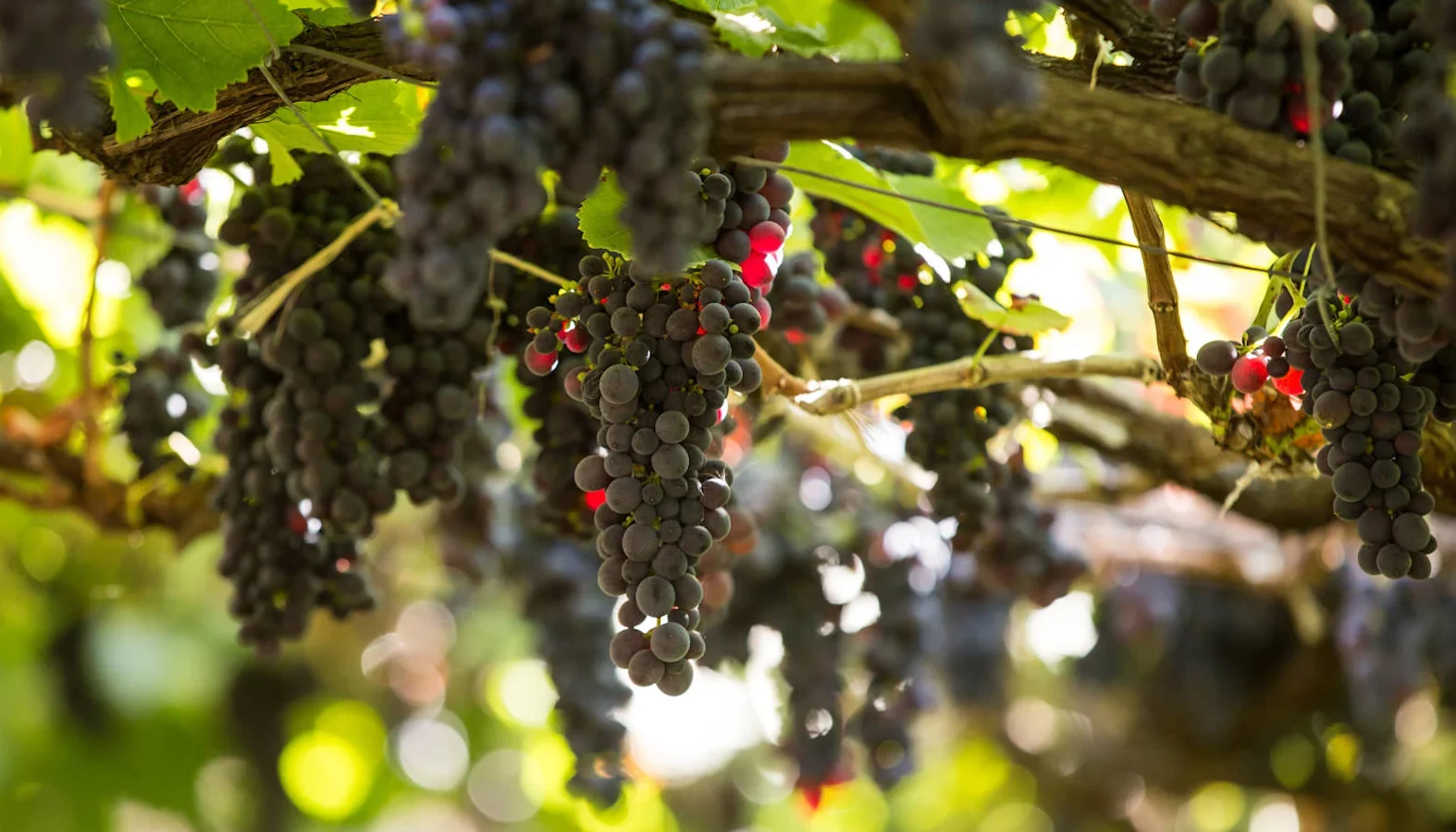
Wines were produced in Madeira as far back as the 15th century, but the characteristics we associate with Madeira wine today are due to its unique two-step production process.
First, the fermentation of white grapes is prematurely stopped by adding neutral grape spirits, leaving residual sugar and boosting alcohol content.
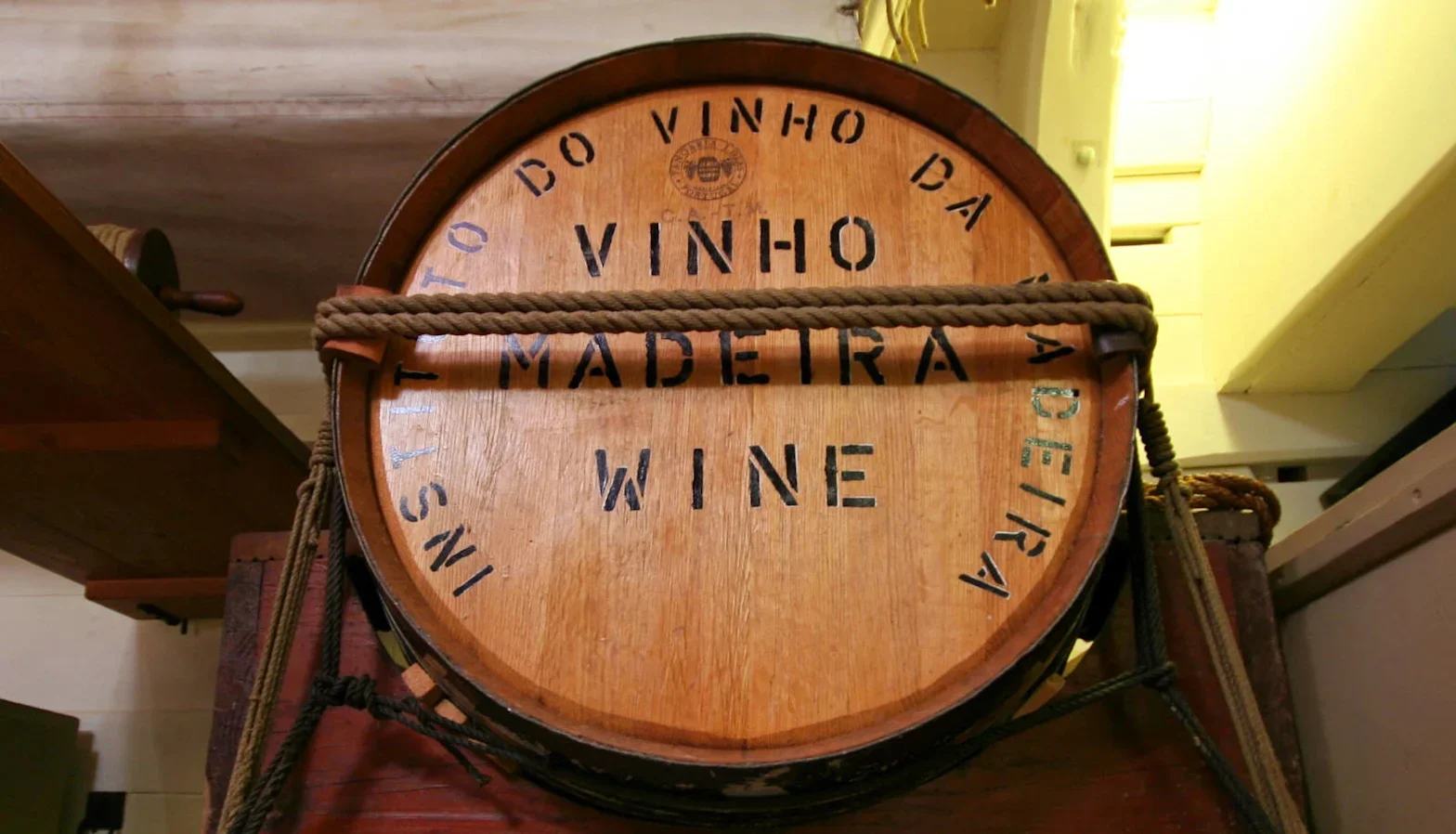
Second, the wine is subjected to ‘estufagem’, a heating process that gives Madeira wine its complex flavours and increases its shelf life. It was discovered during long sea voyages in the 16th and 17th centuries when the wine was subjected to heat and movement in the ship’s hold.
Today, the carefully monitored winemaking process replicates these conditions. The heating process lasts at least 90 days and can involve direct heat or placing the casks in warm rooms. This process results in Madeira’s distinct, robust flavour.
Madeira vs Marsala – what’s the difference?
While Madeira and Marsala are fortified wines, they come from different countries and have distinct flavours.
Madeira comes from the Portuguese region of Madeira and is known for its robust, nuanced flavours, ranging from dry to sweet. Due to its unique heating process, it often has a smoky and caramelised note.
Marsala is a wine from Sicily, Italy. Its flavours are nutty and sweet, and its character is rich but less complex than Madeira wine.
How long does Madeira wine last once opened?
Madeira undergoes a fortification process that makes the wine last for a long time, even after opening the bottle. Unlike most wines, an opened bottle of Madeira wine can maintain its flavour for several weeks to months. Recork the bottle and store it in a cool, dark place between servings to retain its quality.
How to serve Madeira
Madeira is the perfect choice for both pre-dinner and after-dinner drinks - but you’ll want to serve different styles at different times and temperatures to bring the best out of the bottle.
- Crisp and dry varieties such as Sercial are best served chilled and make excellent aperitifs.
- When it’s time for dessert, the sweet flavours of Bual and Malmsey are best enjoyed at room temperature, making them ideal wines after a meal.
- Serve dry and medium-dry Madeira at 10-13°C and medium or sweet Madeira between 13-16°C.
To fully enhance the aroma of Madeira, use a compact, tulip-shaped glass. The narrow opening helps to concentrate the complex aromas while the glass is easily held by the stem to avoid warming chilled wine.
Cooking with Madeira wine
Don't underestimate the power of Madeira! It’s a kitchen must-have to add instant depth and richness to your favourite sauces, stews and desserts.
- The intricate, rich and layered flavours of Madeira work well when it comes to deglazing, sauce reduction and dressings.
- An ideal pairing for Madeira’s sweet earthy taste is mushrooms – these are often used with stock and a splash of Madeira to make a rich sauce.
- The wine also gives a smoky sweetness to stews or root vegetables, like butternut squash or turnips.
- Sweeter Madeira wine can be used in desserts, much like sherry.
Due to its intense flavour, it is important to be precise with the amount your recipe calls for to achieve a perfect balance of flavours in your dish.
We stop at nothing to bring you great wine
For over 50 years, we've gone off the beaten track to bring you great bottles from independent wineries around the world. From velvety Port, to crisp Manzanilla, you'll find all sorts of hidden gems in our handpicked fortified wine collection.
About the author
Chris Larkin
A seasoned copywriter with over two decades experience, Chris has been part of the team since 2021. At Laithwaites HQ, you’ll find him either working on our latest catalogue or creating informative content for our website. Qualified to WSET Level 3 Wine, Chris is as geeky about wine as he is about copywriting. But when it comes to choosing a special bottle, he is a traditionalist, and loves a good Bordeaux or Mâcon Chardonnay.