
Red WineWhite WineRosé WineChampagne & SparklingFine WineBin Ends View All OffersMixed CasesMedal WinnersBestsellersTop RatedOnline CatalogueNEW vintage: enjoy Saint-Émilion quality for much lessWine rack essentials – just £7.99 a bottles20% OFF top Chenin from ‘Loire Winemaker of the Year’30% OFF No.1 Kiwi Sauvignon Mussel PotNo.1 luxury South African white Queen Bee – 20% OFFNEW release: 25% off the white that time forgotElite Pinot Grigio from 100-point winemaker – 25% OFFBumper Pinot Grigio deal! Just £8.33 a bottleRed WineWhite WineRosé WineChampagne & SparklingNo and Low AlcoholDessertFortifiedWine BoxesMiniaturesHalf BottlesView All WineFranceItalySpainPortugalAustraliaNew ZealandBordeauxBurgundyCavaChateauneuf Du PapeMargauxRiojaBeaujolaisChablisSancerreNapa ValleySauvignon BlancPinot GrigioMerlotMalbecPinot NoirChardonnayCabernet SauvignonRipe Smooth RedsFirm Structured RedsLight Juicy RedsCrisp Fresh WhitesRich Round WhitesPale Dry RoséBright Fruity RoséChampagne or similarFresh Fruity FizzWhat's your wine style?Red WineWhite WineChampagneEnglish SparklingDessert WineBurgundy 2024 En-PrimeurFine Wine HubView All Fine Wine Up to £5.99£6 - £7.99£8 - £9.99£10 - £14.99£15 - £24.99£25+RedWhiteRoséSparklingBestsellersBlack RedsAll Mixed CasesTrioSixTwelveBulk DealsNew Zealand Sauvignon Showcase – SAVE £54Party-ready Prosecco Six – just £8.99 a bottleClassic Bordeaux, crisis price – just £10.99 a bottleMeet your must-have Provence rosés! 30% OFFBig, rich, bold Argentinian Malbec – £12 OFFBumper Pinot Grigio deal! Just £8.33 a bottle15-bottle white wine essentials – just £7.99 a bottleAdd-on beer deal! 20% OFF Loose Cannon beersIconic Whispering Angel now just £19 a bottleSmooth Merlot Mix just £8.99 a bottle12-month Bestsellers price cap deal!Vineyard PartnersWine Gift SubscriptionsHow subscriptions workBenefits of joining a Wine ClubManage my SubscriptionsUnlimitedUnlimitedRed Wine GiftsWhite Wine GiftsSparkling GiftsGift hampersChocolate GiftsGift Boxes & AccessoriesBeer GiftsCheese & WineGift cards All GiftsEaster giftsBirthdays Congratulations Wedding Thank You Engagement Anniversary Corporate GiftsFor HerFor Him Under £30Under £50Under £100Over £100GinBrandyWhiskyVodkaRumTequilaBin EndsView All SpiritsAll BeerLagerIPABeer Mixed casesBeer OffersCiderCider OffersHawkstone - beer from Clarkson's FarmLoose Cannon - Craft beer from the heart of OxfordshireSipsmith - spirits of quality and characterWine Festival - ManchesterPartner Events Taste with Laithwaites - In StoreBordeaux Tasting TourWine Festival - LondonAbout & FAQ'sAll Events Wine GuidesUnlimitedWedding ServiceCorporate ServicesCorporate GiftsContact UsStore FinderEvents in StoreWhat's Your Wine Style?Food Pairing Guide for Alcohol-Free WinePairings for Vegan & Vegetarian DishesCrémant - The unsung hero of French FizzHow To Perfectly Pair Cheese and WineFood & Wine PairingsCelebrating Special OccasionsLearn About WineExplore all articlesWine Shop by Telegraph Media GroupThe Kew Series by LaithwaitesBritpop by Alex JamesEnglish Heritage SeriesGood Food and LaithwaitesView all partnersBROWSE ALL WINES
  • Home
  • blog
  • wines around the world
  • New world vs. Old world


Wine terminology can be confusing, especially if you’re a wine newbie. Two terms traditionally used to categorise wine are “Old World” and “New World” – but what do these labels mean, and are they still relevant today?


New World and Old World wine definitions

The traditional binary classification of wines into “Old World” and “New World” is increasingly seen as overly simplistic in today’s complex global wine landscape.

“Old World” has traditionally been used to describe European winemaking countries – including FranceItalySpain, Portugal, Germany, Austria and Hungary. With rich histories spanning centuries, most dating back to ancient times, wine production in these nations is a core part of their national and cultural identities.

On the other hand, “New World” refers to countries such as the United States, Canada, Argentina, Chile, Australia, New Zealand and South Africa. Many of these wine-producing countries adopted grape varieties and winemaking techniques from the Old World.

In addition, while these terms were initially helpful in distinguishing between two primary styles of winemaking – the generally lighter, more terroir-focused wines from the Old World and the often fruit-forward, higher-alcohol wines from the New World – they don’t adequately capture the diversity and nuance present in modern winemaking.

In recent years, the lines have blurred significantly, with wine producers worldwide making wine in every style.

Moreover, with the emergence of China, India and parts of Eastern Europe onto the international market, the Old World/New World dichotomy becomes more problematic. For example, despite China’s recent debut in the global wine scene, it is one of the oldest wine cultures in the world, with a history of winemaking that dates back thousands of years.

Therefore, while the terms Old World and New World can provide an introductory framework for understanding some broad differences, wine professionals and enthusiasts now prefer to focus on the specific region, terroir and winemaking philosophy to truly understand and describe a wine’s character.
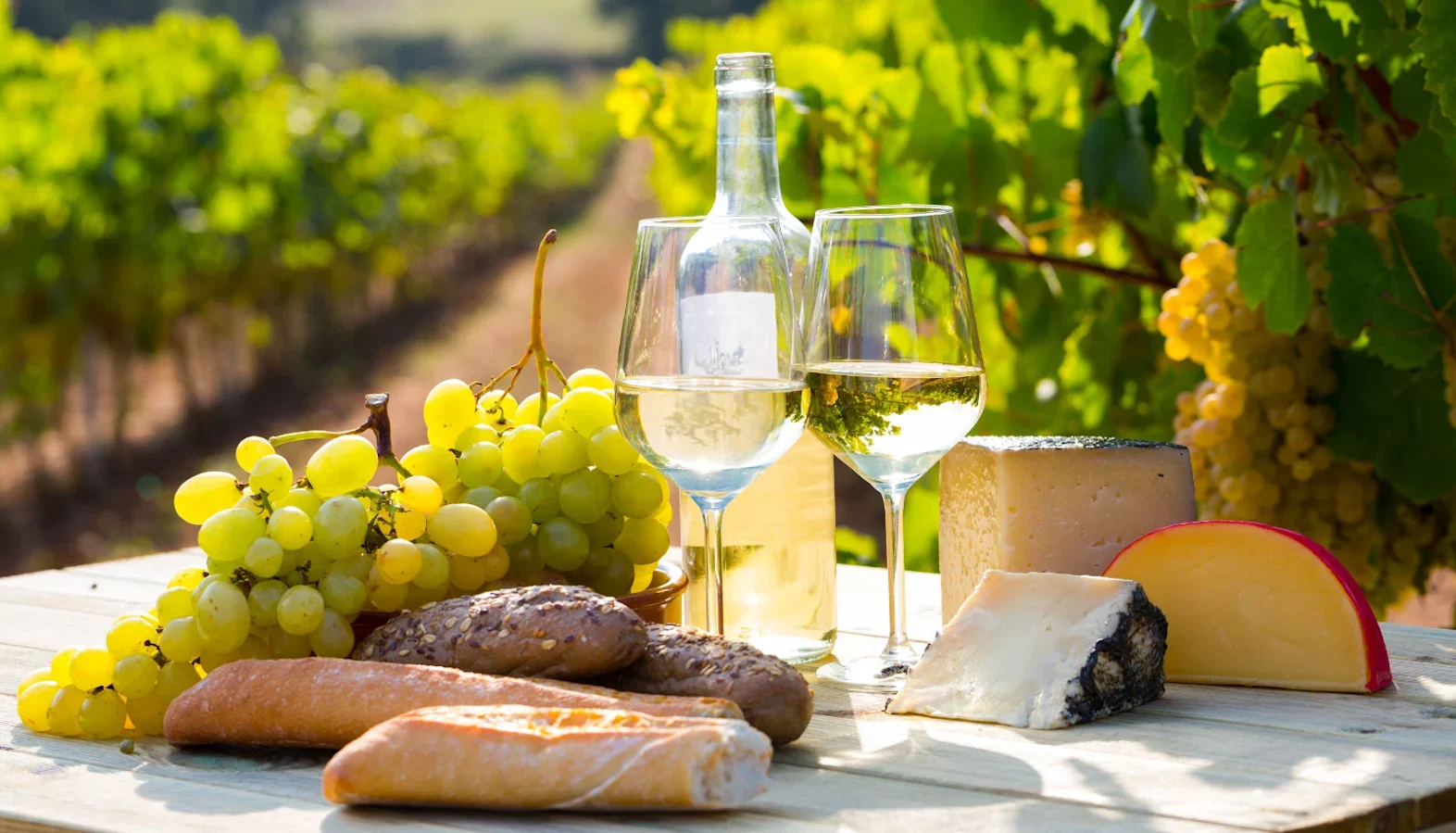
Old World wines – rooted in tradition

Old World is a term used for wines that originate from regions that have a long history of winemaking, mainly in Europe.

While certain key characteristics traditionally identified Old World wines, this has become less relevant in today’s global wine scene. However, there are some commonalities among Old World wines.

Old World wines are often labelled by region rather than grape variety. For instance, Bordeaux, Burgundy and Rioja are famous Old World wine regions with specific grape varieties and winemaking rules.

Old World wines are often made using traditional winemaking methods. They are typically more terroir-driven, which means the climate, soil, topography and other environmental factors are thought to be more expressive in these wines.

Generally, Old World wines can be more restrained or subtler in their flavours. Fruit flavours may be less dominant, and you might find more minerality or earthy, savoury notes.

These characteristics are, however, generalities. There are exceptions in every region. The winemaking style can also vary significantly based on the winemaker’s preferences.
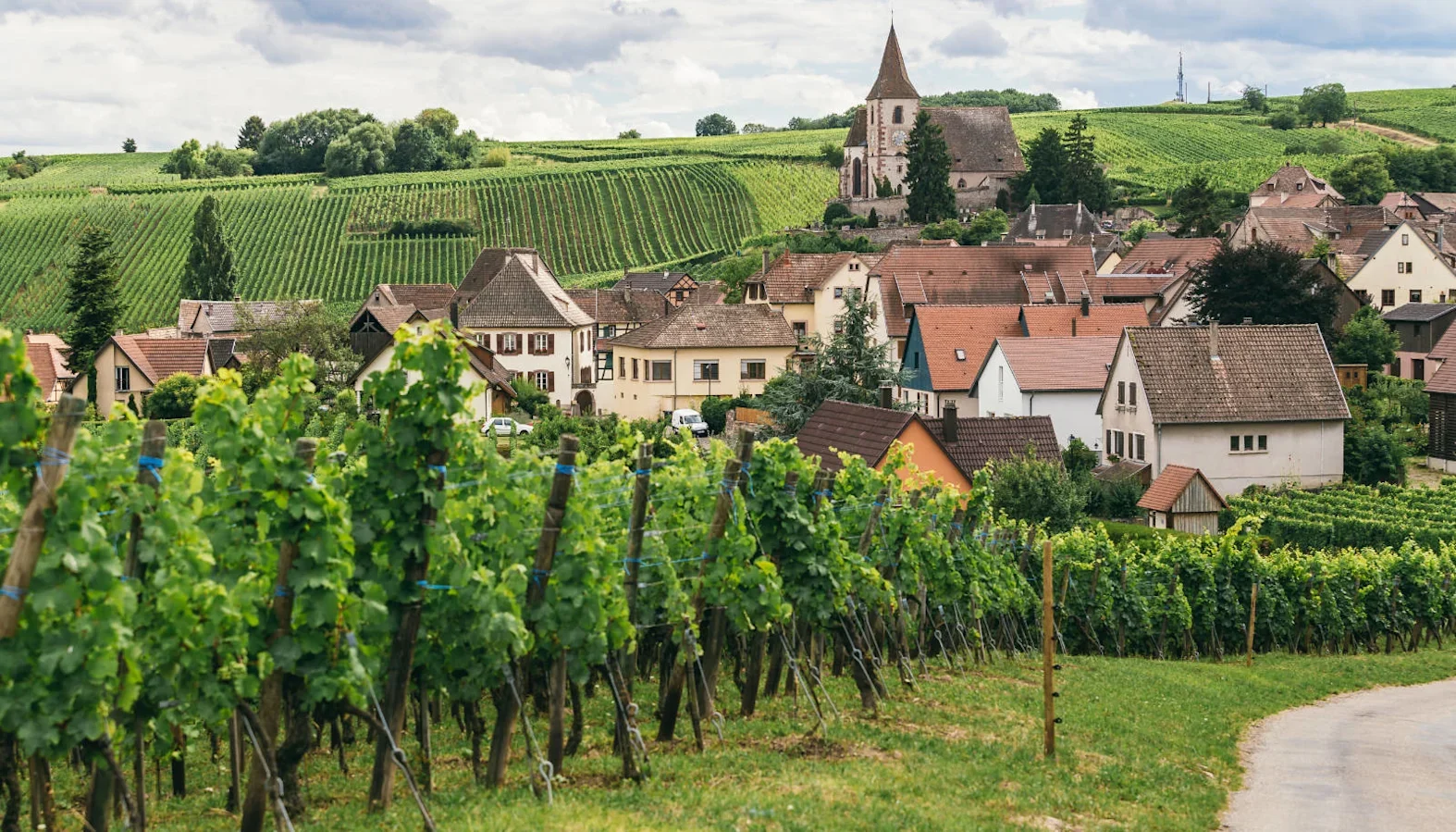
Key Old World Countries

There are many Old World countires, the three main one to consider would be:

  • France: The country’s viticultural roots stretch back to the 6th century BC, and it continues to set quality benchmarks worldwide. It is home to over 200 grape varieties, including the celebrated “noble” grapes such as Pinot Noir, Cabernet SauvignonChardonnay and Sauvignon Blanc. France is responsible for some of the world’s most renowned wines, including Bordeaux, Champagne, Burgundy and Provence rosés. France's wine heritage and quality are guarded by the Appellation d'origine contrôlée (AOC), an intricate, tiered labelling system.
  • Italy: With a winemaking history going back to the 8th century BC, Italy boasts a wider range of native and international grape varieties than any other country. Renowned regions such as Tuscany, Piedmont, Sicily and Veneto are home to several star grape varieties like NebbioloSangiovesePrimitivoGlera and Pinot Grigio. Italy is famed for its red wines such as ChiantiBarolo and Barbaresco, aromatic sparkling Prosecco, and refreshingly dry whites like Pinot Grigio. Italy has an appellation system similar to France.
  • Spain: With over 400 different grape varieties growing in its soil, Spain offers an expressive selection of wines. From robust reds to fruity rosés and crisp whites, this country is among the world’s primary wine producers. Noteworthy wines include Rioja red blends, lively Cava and Sherries. Common grape varieties include Tempranillo, Garnacha, Carignan, AlbariñoVerdejo and Macabeo. Thanks to Spanish winemakers’ meticulous craftsmanship, respect for tradition and innovative attitudes, Spanish wines continue to excite wine lovers worldwide.

New World wines – breaking the mould

New World wines refer to wines produced outside the traditional wine-growing areas of Europe. This includes countries such as the United States, Australia, New Zealand, South Africa, Argentina and Chile.

New World countries aren’t typically as restricted by traditional winemaking rules and regulations – the result of the appellation systems in Old World countries. This allows for more innovation and experimentation in the vineyard and winery.

Other characteristics that have been typically associated with New World wines include labelling wines by grape variety rather than region, fruit-forward profiles, higher alcohol content (some New World wine regions enjoy warmer climates which allow the grapes to ripen more fully) and a noticeable influence of oak in maturing wine.

However, it’s important to note that these characteristics are general, and there are many exceptions. Winemaking styles can vary significantly from one winemaker to another, and there’s a spectrum within New World wines just as there is within Old World wines.
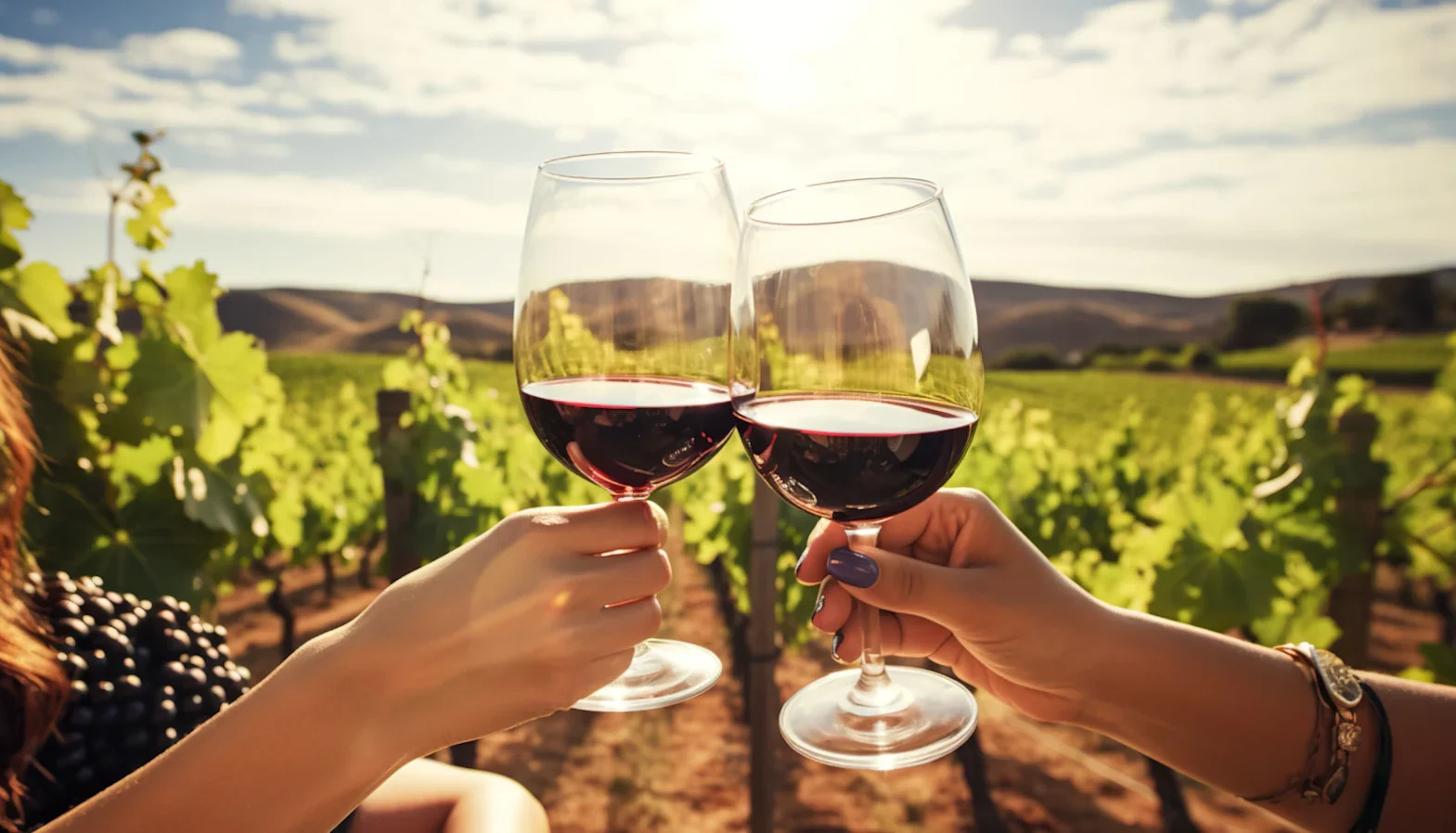
Key New World wine countries

There's a whole host of countries in the New World Wine world, the most popular include:

  • Argentina: Winemaking in Argentina dates back to the 16th century when Spanish missionaries introduced viticulture to the country. Today, Argentina produces some of the world’s most impressive wines. With its warm, dry climate, high altitudes, and cover from the Andes Mountains, Argentina successfully grows a range of grape varieties, including Malbec, Cabernet, Merlot, Sauvignon Blanc and Chardonnay, as well as native varieties Bonarda and Torrontés. Despite being a French variety, Malbec has become Argentina’s signature wine. Malbec wines from here are typically smoother and less acidic than the French style.
  • The United States: One of the four biggest wine-producing countries in the world, the United States has several states producing world-class wines. California is famed for its robust Cabernet Sauvignon and rich Chardonnay wines, Oregon for the elegant Pinot Noir grown in the Willamette Valley, and Washington for its rich, balanced reds. The US has made wine since the 1500s when French Huguenot settlers used Scuppernong grapes at a settlement near Jacksonville, Florida.
  • Australia: With its diverse climates and geography across its 60 wine regions, Australia is home to over 100 different grape varieties, including ShirazGrenache, Cabernet Sauvignon, Cabernet Franc, Malbec, Riesling, Chardonnay and Viognier. It’s the fifth largest wine-producing country in the world, best known for its robust and spicy Shiraz wines. Australia’s wine industry dates back to the early 1800s and is home to some of the world’s oldest continuously producing grape vines.
  • South Africa: Winemaking in the country dates back to the 17th century when the Dutch East India Company established vineyards in the Cape of Good Hope. South Africa is home to Pinotage – a native cross between Pinot Noir and Cinsault – that grows in the Stellenbosch region. The country also grows Cabernet Sauvignon, Merlot, Syrah, Chenin Blanc (the country’s number one white, locally known as Steen), Sauvignon Blanc, Chardonnay and Viognier across the Western Cape, Walker Bay and Klein Karoo wine regions.

Wine subscriptions – the best of both worlds

Laithwaites Wine Subscription opens the door to a world of premium wines. More than just a convenient way to shop wines that aren’t readily available at your local supermarket, a wine subscription allows you to try a global selection of wines.

Choose from our selection of red, white or mixed subscription cases – each packed with a variety of high-quality wines from around the globe, selected by our experts and delivered to your door every three months.


We stop at nothing to bring you great wine

For over 50 years, we've gone off the beaten track to bring you great bottles from independent wineries around the world. We taste over 40,000 bottles a year to find the 800 or so that make the final cut. Juicy reds, refreshing whites, tasty rosés, thrilling fizz - you'll find all sorts of hidden gems in our handpicked wine collection.

Shop All Wine

About the author

Chris Larkin

A seasoned copywriter with over two decades experience, Chris has been part of the team since 2021. At Laithwaites HQ, you’ll find him either working on our latest catalogue or creating informative content for our website. Qualified to WSET Level 3 Wine, Chris is as geeky about wine as he is about copywriting. But when it comes to choosing a special bottle, he is a traditionalist, and loves a good Bordeaux or Mâcon Chardonnay.

money back guarantee icon

100% MONEY-BACK

Guarantee

free delivery icon

Free Delivery

on 12+ bottles

award winning icon

Award-Winning

Wines & customer service

trustpilot icon

Excellent

Rating