
- Home
- blog
- wines around the world
- Prosecco vs Champagne
What's the difference between Prosecco and Champagne?
Knowing your Moët from your Freixnet can seem a daunting task at first. But there are a few key – and easy – differences between Champagne and Prosecco that, once you know them, will have you looking like a wine expert.
Read on to discover the different regions, grapes, winemaking methods and flavour profiles behind these popular sparkling wines.
Prosecco vs Champagne: at a glancE
| Characteristics | Prosecco | Champagne |
| Country | Italy | France |
| Winemaking | Tank method | Traditional method |
| Grapes | Glera | Chardonnay, Pinot Noir & Pinot Meunier |
| Flavour | Green apple and citrus with toasty complexity |
Fresh pear and peach flavours. |
| Aging | Drink while young | Can age for decades |
where are they from?
To find the home of Prosecco, head to the Veneto region in northeast Italy. Here you’ll find specific Prosecco-producing regions, including the world-famous Conegliano Valdobbiadene Prosecco Superiore DOCG, and the ever-popular Prosecco DOC. The native Glera grape thrives here thanks to the mild, sunny climate and unique soils – a mixture of limestone, clay, marl and marine sandstone – helping give Prosecco its unique fruity flavour and aroma.
Champagne comes only from the wine region of the same name in northeastern France. The Champagne region is renowned for its chalky limestone soils and cool climate, which preserves the natural acidity in the grapes used in the blend. This is what gives Champagne its racy, refreshing style and makes this bubbly so food-friendly.

Veneto, Northern Italy
What are the differences in how they're made?
Although both wines are sparkling due to the carbon dioxide released during fermentation, Prosecco and Champagne are made using different methods.
Put very simply, Champagne is made in a bottle whereas Prosecco is made in a tank. But in reality, it’s a bit more involved than that…
Méthode champenoise (Champagne's "traditional method")
Champagne lends its name to the more elaborate méthode champenoise (sometimes called the “traditional method”) – a labor-intensive process where the bubbles are created inside each individual bottle.
- Secondary Fermentation: Yeast and sugar are added directly to the bottle.
- Aging on "Lees": The wine sits with the leftover yeast (lees), which creates those complex flavors of brioche, toast, and cream.
- Riddling & Disgorging: Bottles are rotated to move sediment to the neck, which is then frozen and popped out.
- Dosage: A final house blend of sugar and reserve wine is added before the cork goes in.
Prosecco's Charmat ("Tank") Method
This method is designed for efficiency and freshness, occurring in large pressurised tanks.
- Secondary Fermentation: Happens in a big tank rather than the bottle.
- Freshness First: The wine is filtered and bottled quickly to preserve the floral and fruity aromas of the Glera grape.
- Less Yeast Contact: Because it spends little time with the yeast, you won't get those "toasty" notes found in Champagne
- Efficiency: It’s faster and less expensive to produce, which is why Prosecco is generally more budget-friendly.
What grapes are used in Prosecco vs Champagne?
Champagne and Prosecco are created from different grape varieties, affecting the wines taste, aroma, and style.
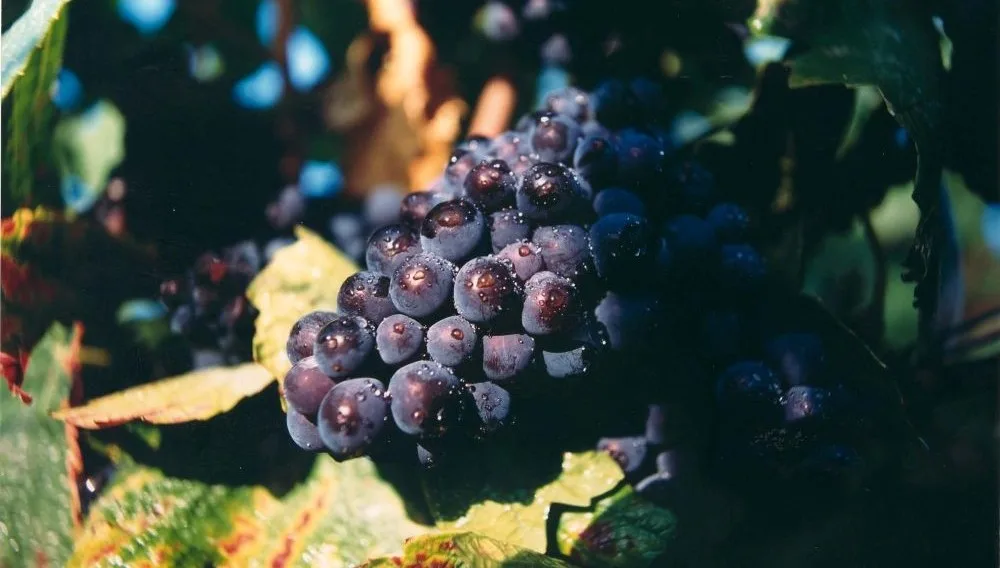
Champagne is made from a blend of Chardonnay, Pinot Noir, and Pinot Meunier, each bringing its unique characteristics to the final blend. Some are made exclusively from Chardonnay grapes (known as blanc de blancs), while others that use Pinot Noir, Pinot Meunier, or a combination of the two, are called blanc de noirs.
Although most Champagnes are white, rosé ones are a popular alternative.
Prosecco is made from aromatic Glera grapes, which have intense fruit flavours and floral aromas.
A rosé version of this beloved Italian sparkling wine has recently been approved, so you can now encounter a pink Prosecco made with up to 15% Pinot Noir blended with Glera.
Champagne's flavour profile
Champagne’s flavour profile leans toward apple, citrus and pear with sweet and warming hints of toasted brioche and biscuit. It’s a famously complex wine with more layers than you would typically find in a glass of Prosecco.
Champagne is sensational with lobster, crab, scallops and sushi, but it’s also perfect with poultry and anything cheesy or creamy. Its natural acidity cuts through rich sauces, helping to refresh your taste buds between bites.
Foie gras, caviar and oysters are classic Champagne pairings if you want to indulge, but there’s no need to keep it high-brow. Fish and chips, mac ’n’ cheese, popcorn, even takeaway pizza are some of our favourite food pairings with this iconic fizz.
If pink is your colour, both rosé Champagne and rosé Prosecco are bursting with vibrant red berry flavours, with the latter most commonly made in an off-dry style.
Prosecco's Flavour Profile
Prosecco is all about fresh and fruity flavours, lifted with light blossom aromas. Expect juicy white peach, pear, green apple, lemon, and fragrant white flowers such as honeysuckle.
This sparkling wine comes in various styles, from dry to sweet, although most lean towards the sweeter end of the scale.
Prosecco’s bright and fresh flavours make it a no-brainer to pair with spicy and aromatic Asian dishes such as butter chicken and pad Thai. If your menu is closer to home, Prosecco is a classic pairing with prosciutto-wrapped figs, classic Margherita pizzas, seafood such as salmon and prawns, and mild, soft cheeses such as burrata.
You can forget about leaving Prosecco to age – drinking sparkling wine within a year of bottling is best to enjoy its fresh and fruity flavour.
How to serve Prosecco vs Champagne
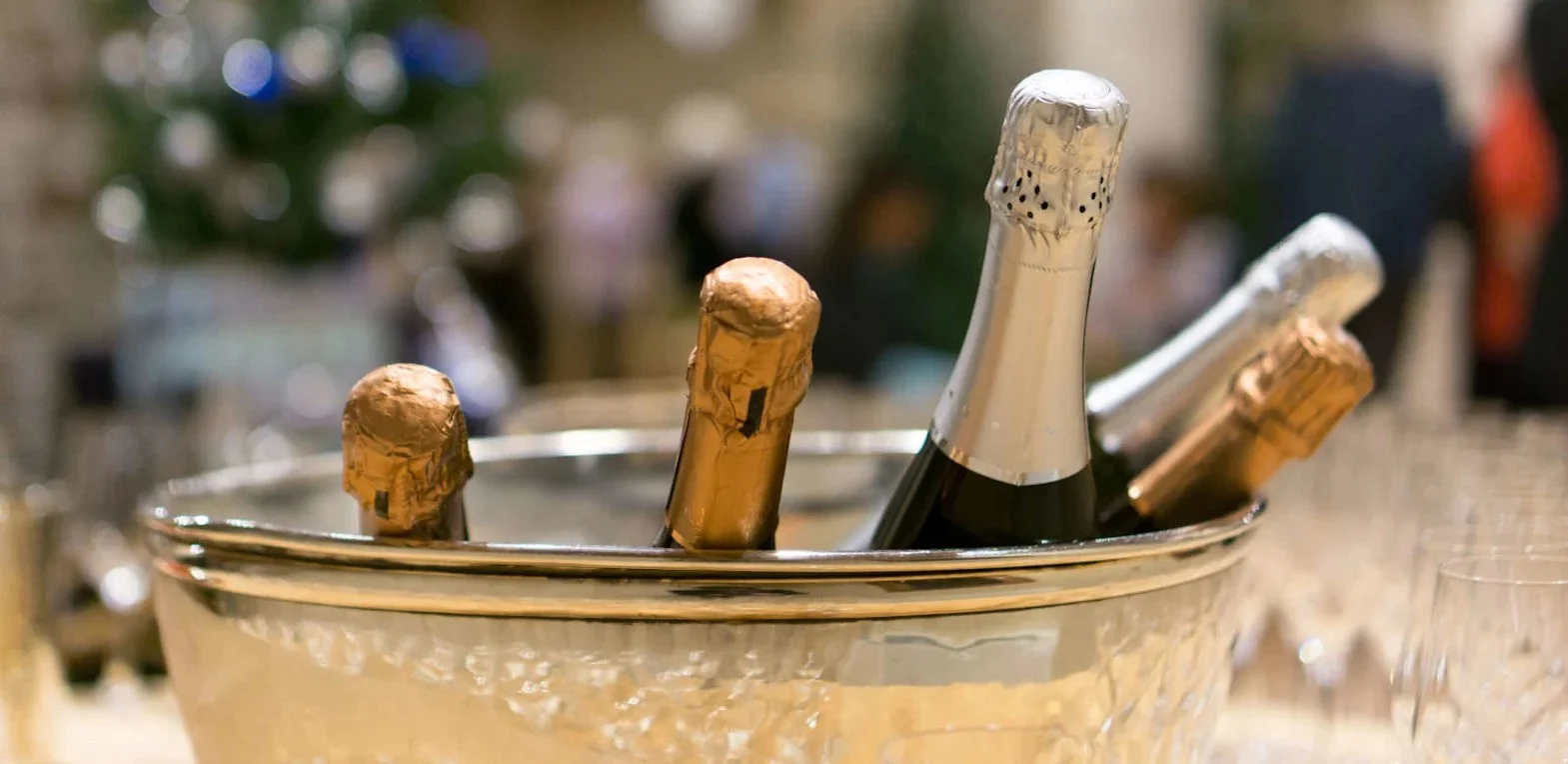
Prosecco and Champagne are great for any occasion, whether a casual brunch, wedding, birthday party or just a late afternoon treat.
The recommended serving temperature for Prosecco is slightly lower than Champagne – between 4–7°FC versus 7–10°F.
A warmer temperature allows the complexities of Champagne to shine through, while a cooler Prosecco temperature lifts its more delicate flavours.
The best glassware for serving Prosecco are tulip glasses or a standard white wine glass, such as a Riesling glass. The shape helps direct those gorgeous floral and fruit aromas straight to your nose – aromas that can get lost when serving the wine in flutes. It’s the same deal when it comes to serving Champagne.
There’s nothing wrong with serving either type of bubbly in flutes, though. The long, thin design of flutes helps preserve the streams of bubbles fizzing their way up through the wine.
We stop at nothing to bring you great fizz
Whether you want to pop a soft and fruity Italian Prosecco, Spanish Cava or France's mouthwatering Crémant de Loire, you’re sure to find a sparkling wine to suit your taste and budget from our award-winning cellars.
About the author
Chris Larkin
A seasoned copywriter with over two decades experience, Chris has been part of the team since 2021. At Laithwaites HQ, you’ll find him either working on our latest catalogue or creating informative content for our website. Qualified to WSET Level 3 Wine, Chris is as geeky about wine as he is about copywriting. But when it comes to choosing a special bottle, he is a traditionalist, and loves a good Bordeaux or Mâcon Chardonnay.