
- Home
- blog
- wines around the world
- Beginner's Guide to Vinho Verde
Beginner’s Guide to Vinho Verde
The Vinho Verde region in northern Portugal is best known for its crisp, wallet-friendly whites with a hint of spritz. The region also makes low-alcohol, zippy reds and rosés that pair beautifully with a wide array of dishes.
Join us on a journey to discover Vinho Verde's native grapes, unique terroir, and top bottles for summer sipping.
What is Vinho Verde?
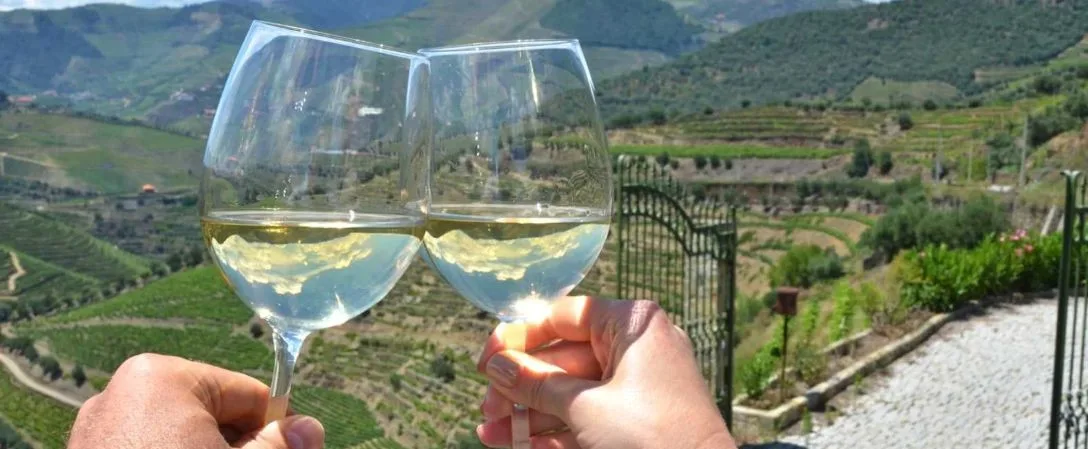
Meaning ‘green wine’ in Portuguese, Vinho Verde is a wine region located in the northwest of Portugal.
Named after the vibrant, green landscapes in the area, Vinho Verde wines are celebrated for their characteristic minerality – a result of the granite soils in which the grapes are grown.
Although famous for its vibrant spritzed whites that account for most of its production, this region is also home to red and rosé wines that deserve to be explored.
Vinho Verde and it's subregions
Nestled in the lush green hills of northwest Portugal, the Vinho Verde region starts just below the Spanish border and extends as far as the Atlantic Ocean, where it meets the city of Porto, the home of Port wine.
With plenty of rain and two rivers running through it – the Douro and the Minho – Vinho Verde lives up to its name with a verdant green landscape.
Vinho Verde comprises nine subregions, each influenced to different levels by the cool, wet coastal weather and granite soils.
In the far north of the region, the Monção and Melgaço subregion borders Spain and is home to excellent quality Alvarinho (Albariño) wines. These wines are prized for their elegant minerality and flavours of citrus, melon, nectarine and saline.
The three subregions closest to the coast – Lima, Cávado and Ave – are best known for their zippy, easy-drinking whites made with native Arinto, Loureiro and Trajadura grapes.
The five subregions in the sunnier south of Vinho Verde – Sousa, Paiva, Baião, Amarante and Basto – grow the harder-to-ripen Azal and Avesso grapes, along with the red varieties Espadeiro, Vinhão and Padeiro. These varieties are most commonly used for local table wines.
The dynamic duo: Alvarinho and Loureiro
While many Vinho Verdes are blends, these two grapes are the stars of the region, producing some of the most exciting and complex styles of Vinho Verde wines.
Known as Albariño in Spain, Alvarinho produces elegant whites with attractive tropical, peach and lemon aromas wrapped around a mineral core.
Loureiro has much in common with German Riesling, so expect mouth-puckering lime flavours, floral hints and a rich, oily texture. Alvarinho and Loureiro work well as single-variety wines and have impressive ageing potential for whites.
Exploring White Vinho Verde
Around 85% of all wines produced in Vinho Verde are white, most with a blend of six native grape varieties – Alvarinho, Arinto, Azal, Avesso, Loureiro and Trajadura.
Super fresh, fruity and usually low in alcohol (under 11.5% ABV), Vinho Verde is at its best in the year of its release. So don’t wait around to enjoy it.
Most Vinho Verde whites are dry in style, with flavours of lemon, white melon, peach and lime blossom.
Vinho Verde whites are famous for their slight tongue-tingling spritz - but not all Vinho Verde wines are slightly sparkling. Look out for Burgundy-shaped bottles if you’re seeking a white without spritz.

Red and rosé styles
Although white wines reign supreme in Vinho Verde, the region’s reds and rosés are worth exploring.
Offering notes of plum, sour cherry and floral hints, the reds are usually made from the local grape Vinhão (commonly known as ‘Sousão’). Similar to Malbec, this grape is lighter and fresher, with a lower alcohol content and distinct peppery aromas.
Vinho Verde reds can also be made from Amaral, Azal Tinto, Borraçal, Brancelho, Espadeiro, Pedral and Padeiro grapes. These native varieties produce juicy, pale reds with vibrant acidity.
The rarest of them all is a rosé Vinho Verde. Usually made from Espadeiro, Padeiro, Vinhão, and Touriga Nacional grapes, this style of Vinho Verde is known for its enticing, darker pink shades (compared to the pale pink rosés you find in Provence).
Pairing food with Vinho Verde
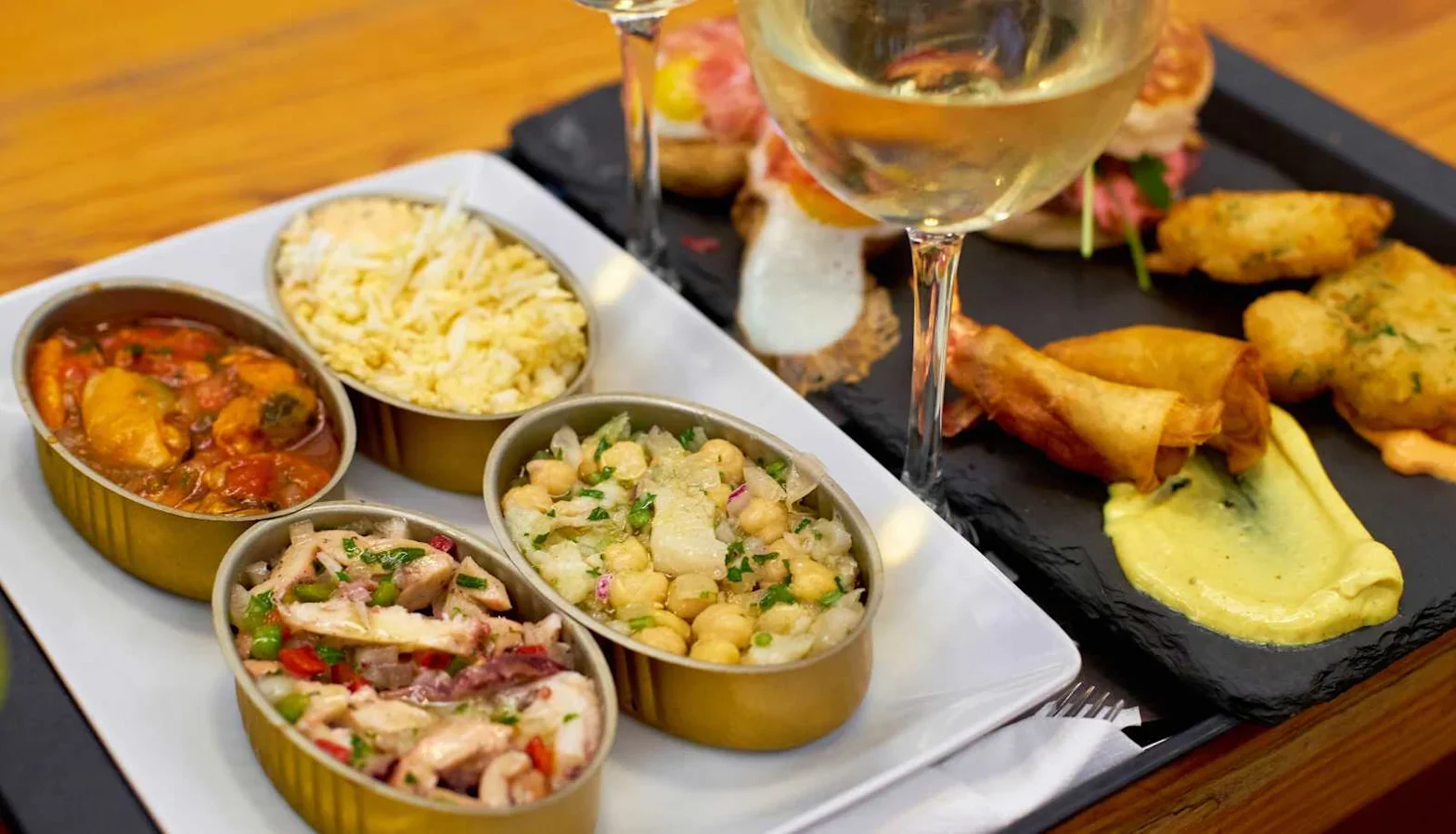
Vinho Verde is a versatile, food-friendly wine that pairs with a wide range of dishes.
- White Vinho Verde’s zippy acidity also makes it an ideal partner for all forms of seafood - from Portugal’s signature salt cod to sushi, crab, lobster and fried seafood such as calamari and fish and chips.
- Vinho Verde rosés works well with roasted chicken and light pasta dishes.
- Vinho Verde reds are an excellent match for grilled meats and burgers – perfect for a summer barbecue.
When it comes to serving temperature, the colder the better for the whites and rosés, which benefit from being fridge-cold. The reds can also take being slightly chilled in a similar way to a Beaujolais to ramp up their freshness.
We stop at nothing to bring you great wine
For over 50 years, we've gone off the beaten track to bring you great bottles from independent wineries around the world. From juicy reds, to refreshing whites and thrilling fizz, you'll find all sorts of hidden gems in our handpicked portuguese wine collection.
About the author
Sarah Turner
Sarah is a wine writer and editor with over 25 years’ experience in the world of wine. She began her career in retail, passing the WSET Level 4 Diploma, before becoming a supermarket wine buyer and finally finding her home in our creative team. Her love of food, wine and travel has taken her all over the world, but she has a soft spot for Portugal’s Douro Valley and the sherries and tapas bars of Andalucia.