

The art and science of winemaking
I’ve often heard it said that ‘great wines are made in the vineyard’. And it’s true that you need good grapes to make good wine. But to make great wine, you need a winemaker that can combine the expertise of a scientist with the vision and skill of an artist.
At Laithwaites, we’re lucky to work with some seriously talented winemakers – like Hervé Sabardeil, who makes our bestselling Cabalié range, and Jean-Marc Sauboua, who makes the wines at our own award-winning Bordeaux estate, Château La Clarière.
But while few of us can hope to gain the depth of knowledge of Hervé or Jean-Marc, it’s relatively easy (and rewarding) to understand the general principals of winemaking.
The five stages of winemaking
There are many different styles of wine, from still to sparkling, from dry to sweet, and all are made slightly differently. However, there are five processes common to every wine.
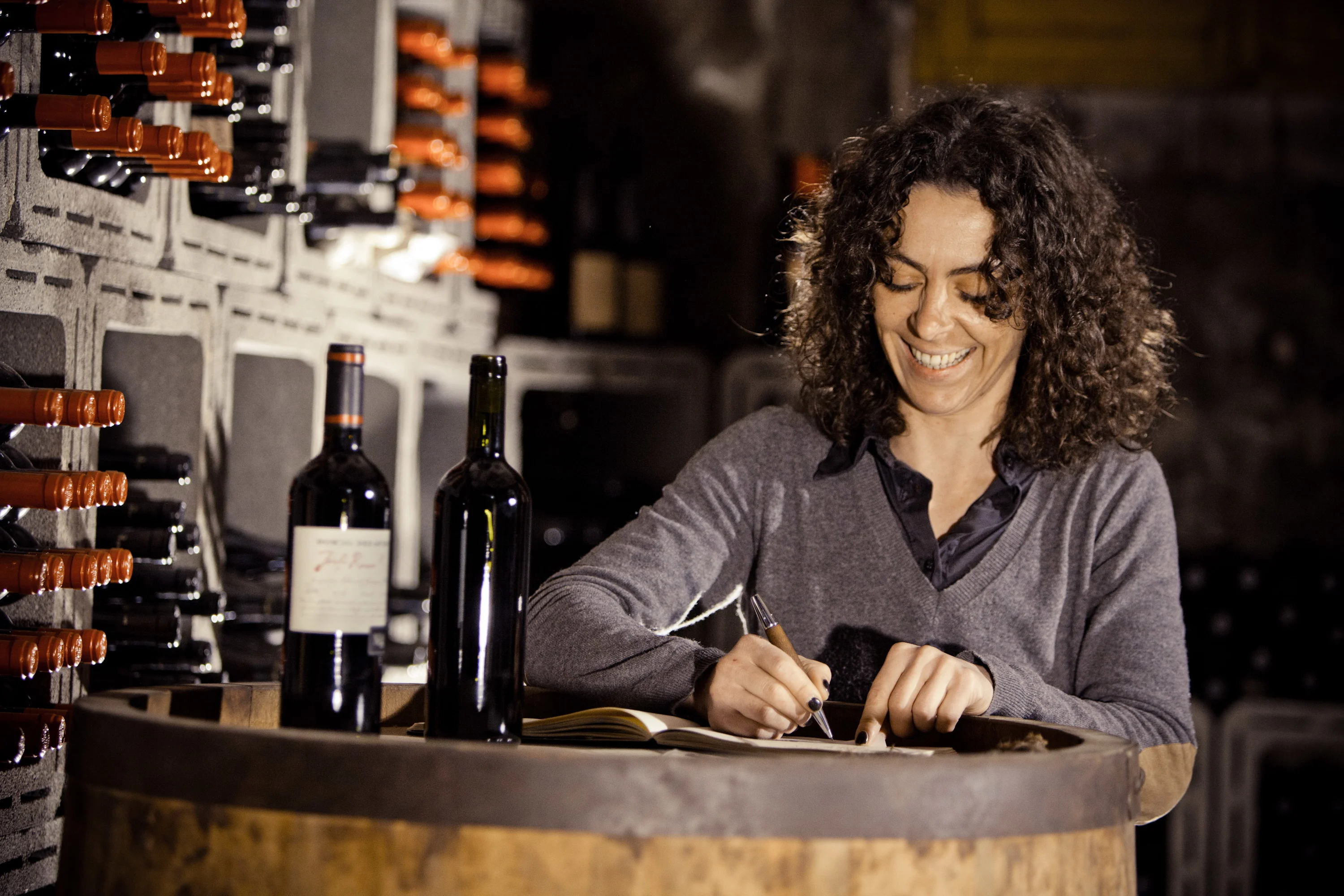
1. Harvesting
To make good wine it’s essential to harvest the grapes at the peak of ripeness. Quality producers then carefully sort the grapes, using only the healthiest fruit to make their wines.
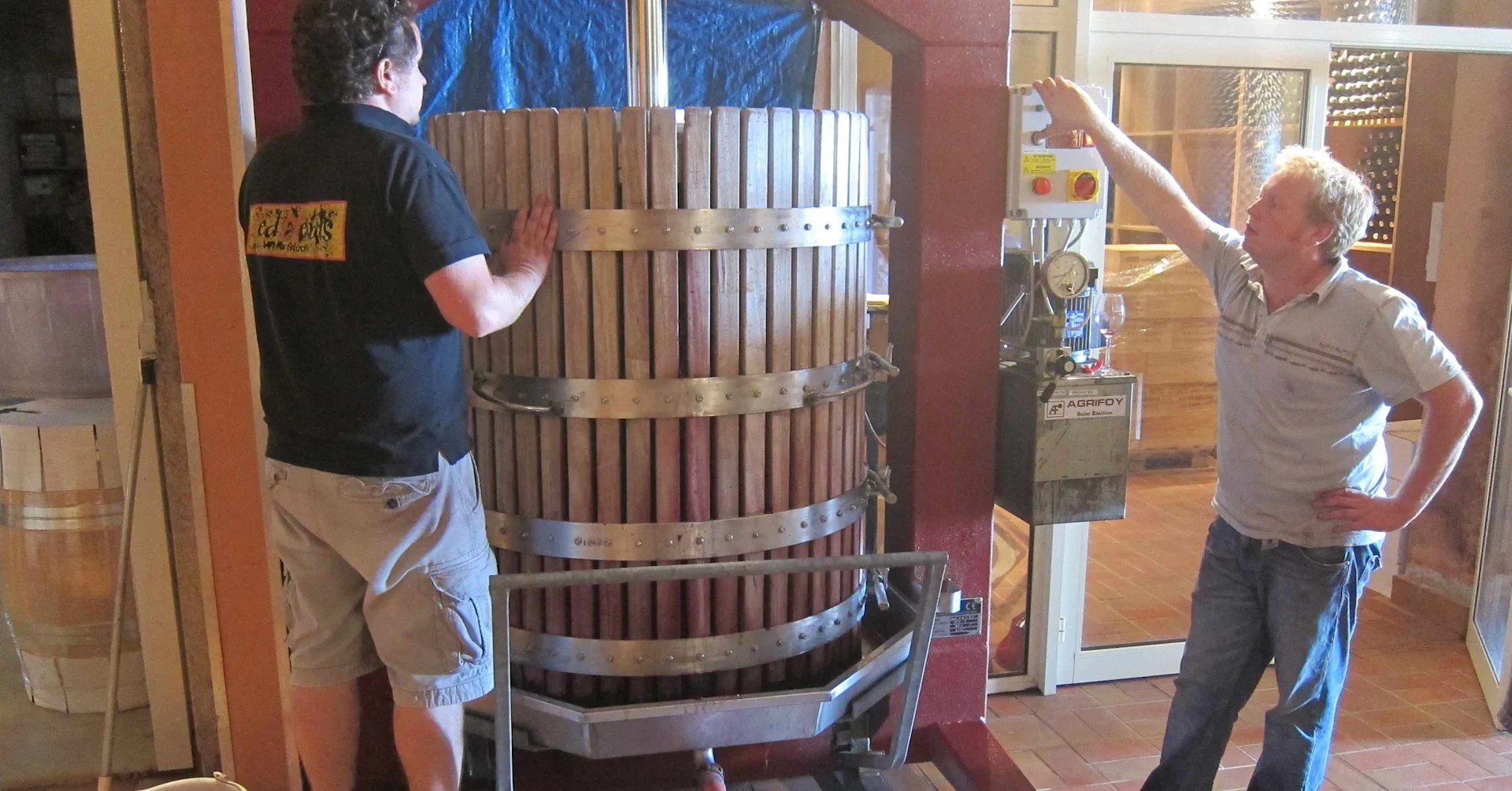
2. Pressing
Next the grapes are pressed to extract the juice. For white and rosé grapes, pressing is done very gently, to ensure only the purest juice is extracted.
3. Fermentation
The grape juice is then fermented to turn the sugars into alcohol. Red wines are fermented on the grape skins to extract colour and tannins (which give the wine structure). Rosé wines are fermented briefly on their skins, to extract just a little colour. Fermentation may take place in stainless steel tanks, oak barrels or even concrete ‘eggs’ – depending on the required style.
4. Maturation
Once the wine has finished fermenting it will be left to clear, and then either bottled, or put into barrel for maturation. Oak ageing allows wines to mature and take on secondary flavours such as cigar box notes or vanilla.
5. Bottling
The final stage is bottling. Once it has been bottled, the wine may be released almost immediately (if it’s a fresh Sauvignon Blanc for example) or cellared for years until it is perfectly matured (like a Reserva Rioja).

Sparkling wines
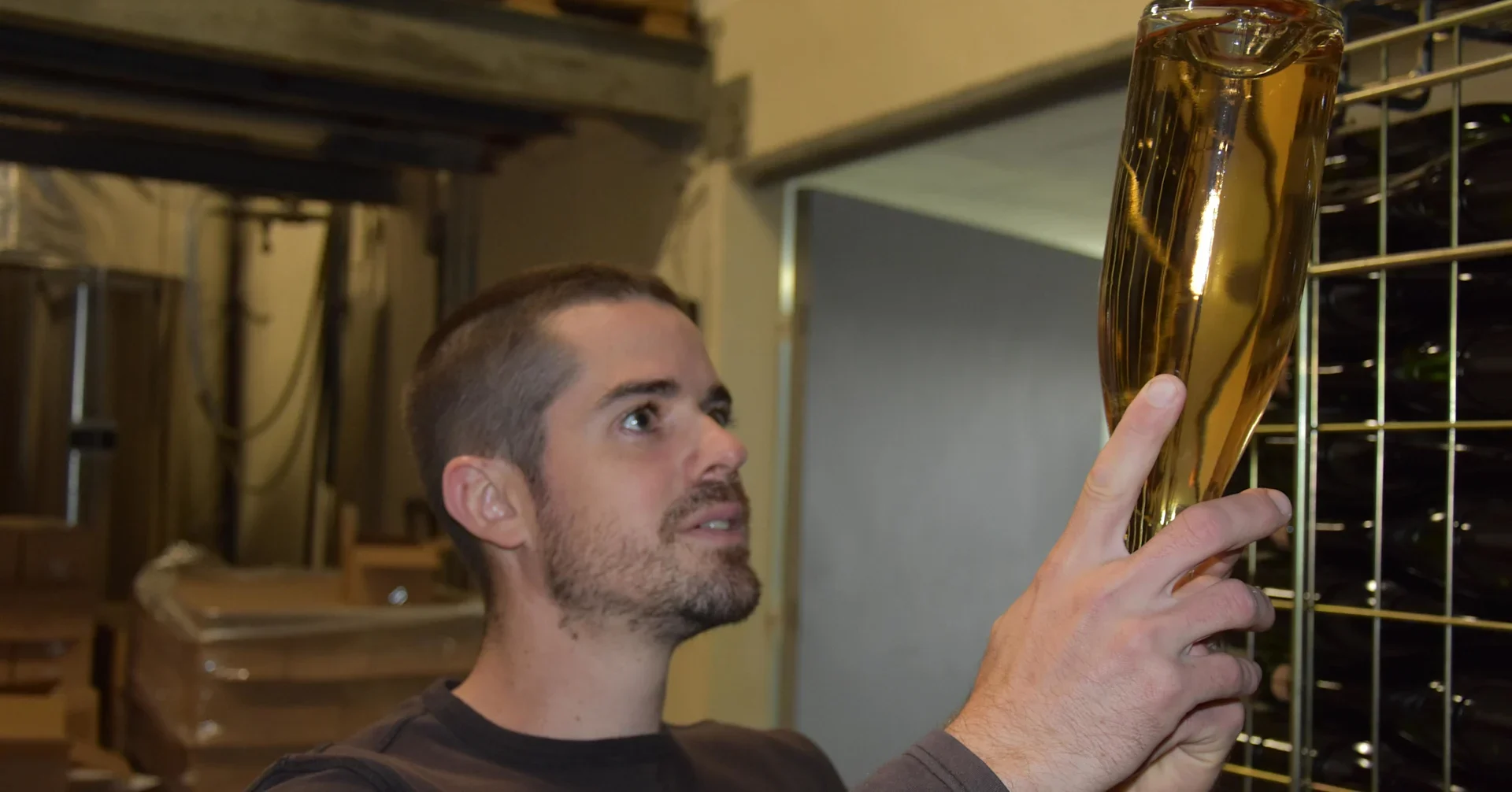
Sparkling wines get their bubbles from a process called secondary fermentation. Sometimes this takes place in tank, and sometimes in bottle. In the case of Champagne, the wine is fermented and bottled as usual. A small amount of sugar is then added to the wine and the bottle is sealed with a crown cap (like a beer bottle).
The wine then continues to ferment, but the carbon dioxide produced by the yeast cannot escape. As a result, it is trapped in the wine as tiny bubbles. The cap is then removed, along with the sediment from the secondary fermentation, and replaced with a cork. When the Champagne is finally ready to drink, all those bubbles are slowly released, rising in tiny streams in your glass. Science, yes. But also a little bit magic.

Rosé wines
You might think that rosé wines are simply made by adding a splash of red wine to a white. But this is rarely the case (Champagne is one of the few exceptions). In fact, rosé wine is made by pressing red grapes very gently, to release only the clear juice. This juice is then left in contact with the skins for a brief period during fermentation, allowing it to pick up just enough colour to give the wine a lovely rose tint. This is another example of art meeting science – as the winemaker has to gauge the contact time just right to get the hue they are looking for.
Crisp and aromatic whites
Crisp, zesty whites are perfect for summer sipping. But how does the winemaker capture all that vibrant fruit in your glass? The secret lies in keeping the grapes cool, even picking at night, if necessary, to maintain their freshness. They are then fermented at a cool temperature, in stainless steel to lock in the freshness and pure fruit flavour.
For aromatic wines, like Riesling or Gewurztraminer, the grapes are sometimes chilled for several hours (or even days) to extract the maximum aroma before fermentation.

Burgundy-style whites
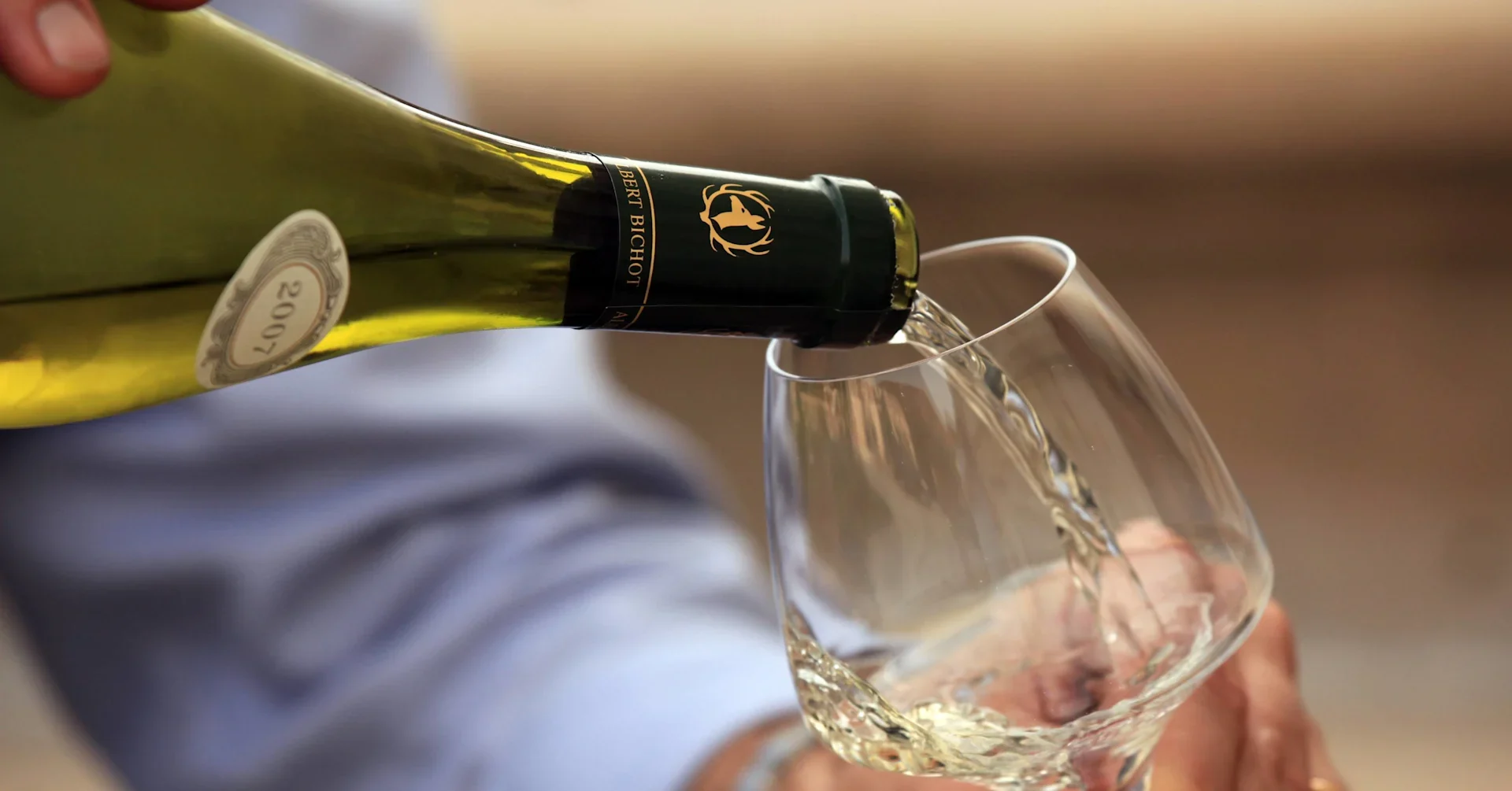
White Burgundy is a rich, luxurious style of white, made purely from Chardonnay. It is often fermented in barrel, giving a toasty richness alongside Chardonnay’s green-apple and tropical fruit flavours. But here’s where the science comes in.
Burgundy’s signature creamy richness comes from a process called malolactic fermentation, which converts naturally occurring malic acid into lactic acid. Malic acid gives that crisp appley flavour you sometimes find in Chardonnay. But lactic acid gives a softer, more buttery feel. Chardonnay winemakers around the world use this technique when they want to recreate that classic Burgundy style.
Rich, fruity reds
Making rich, soft, fruity reds is all about the ripeness of the fruit. By picking late and allowing the grapes to reach full ripeness, the winemaker ensures that the grapes have a deep colour, good sugar levels and lower tannins – so you get a nice soft, smooth style of wine.
The grapes are left in contact with the juice and fermented at a warm temperature to extract plenty of colour and flavour.

Elegant, oak aged reds
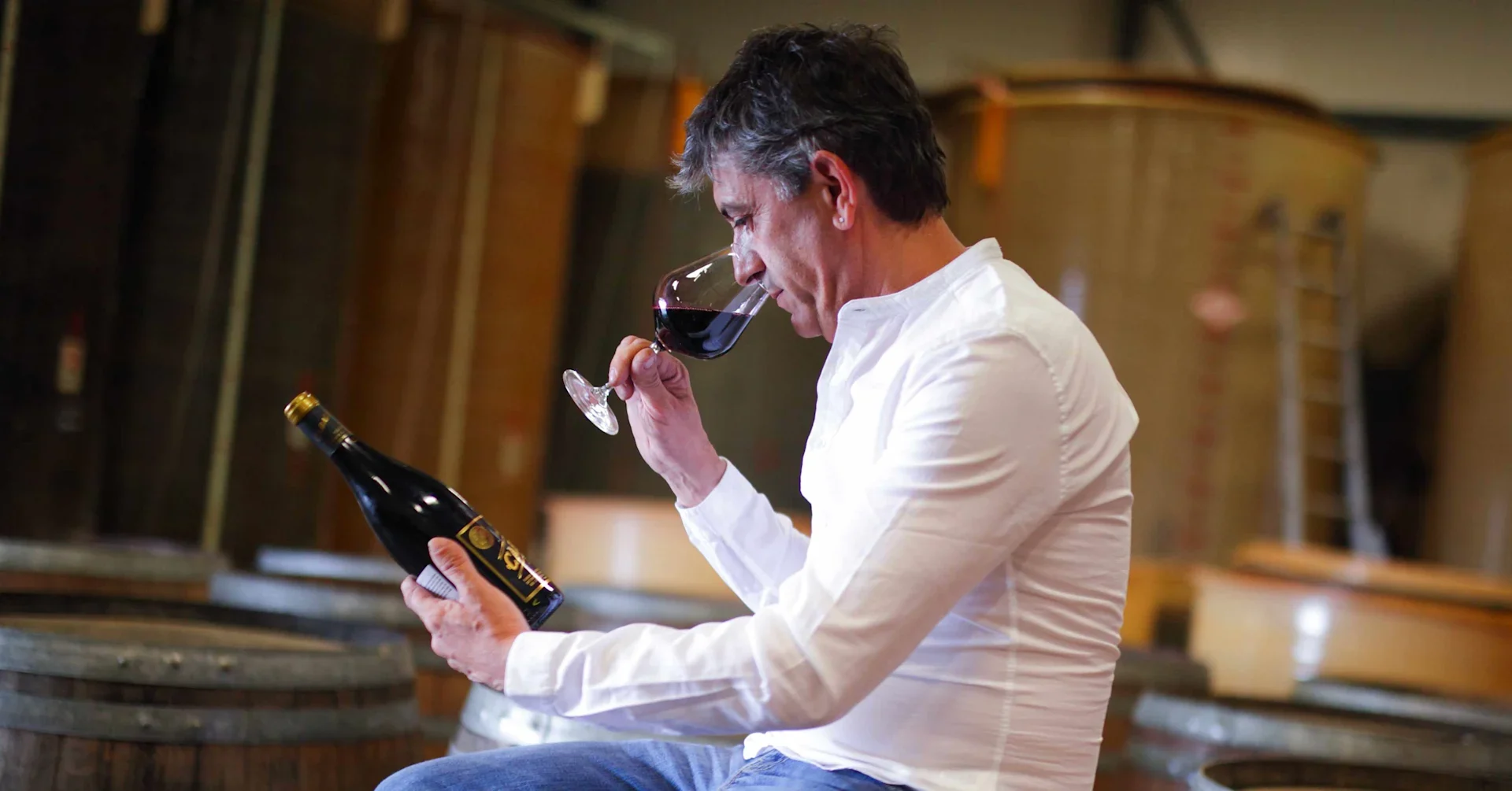
To produce a red that can age well, the grapes must have the right balance of sugar and tannins, giving the wine the structure to age properly. Many factors affect the balance of ripeness and tannins, including the grape variety, the climate and the soil type. In many cases, the winemaker will use a blend – with some grapes providing the ripe fruit and others providing the structure. Bordeaux reds are a classic example of this.
Barrel ageing is also a complex process. The winemaker can use new or used casks, made from French or American oak, and might age the wine anywhere from a few months to many years. All of these factors will affect the style of the finished wine. Some wineries, like Muga, in Rioja even make their own barrels so they can have complete control. A perfect example of art meeting science.


