
How red wines are made – from grape to glass
Published: September 12, 2025
Chris Larkin
There are so many red wine styles – from juicy and chillable Beaujolais to bold, age-worthy Bordeaux. It all comes down to winemaking choices like fermentation style, skin contact, and oak ageing. Read on to find out how your favourite red wine is made.
You’ve probably heard it said: “Great wine is made in the vineyard.” And for red wines especially, there’s been a lot of buzz about ‘minimal intervention’ lately.
Take Felton Road, in Central Otago, New Zealand – home to some of the world’s finest Pinot Noir. Winemaker Blair Walter claims that as a minimal interventionist, he pretty much lets the wine make itself. He doesn’t even add yeast, preferring to rely on the indigenous strains that exist in the natural surroundings.
But of course, there’s much more to it than that. Blair himself makes each of his wines differently, according to the unique characteristics of the vineyard. Picking a little early here, using a higher percentage of new oak there. It’s an art as well as a science.
There are a lot of ways to shape the style of a red wine. We’ve already covered the stages of winemaking in How wine is made – a beginner’s guide – so in this article, I’ll look at some of the specific techniques behind your favourite red wine styles.
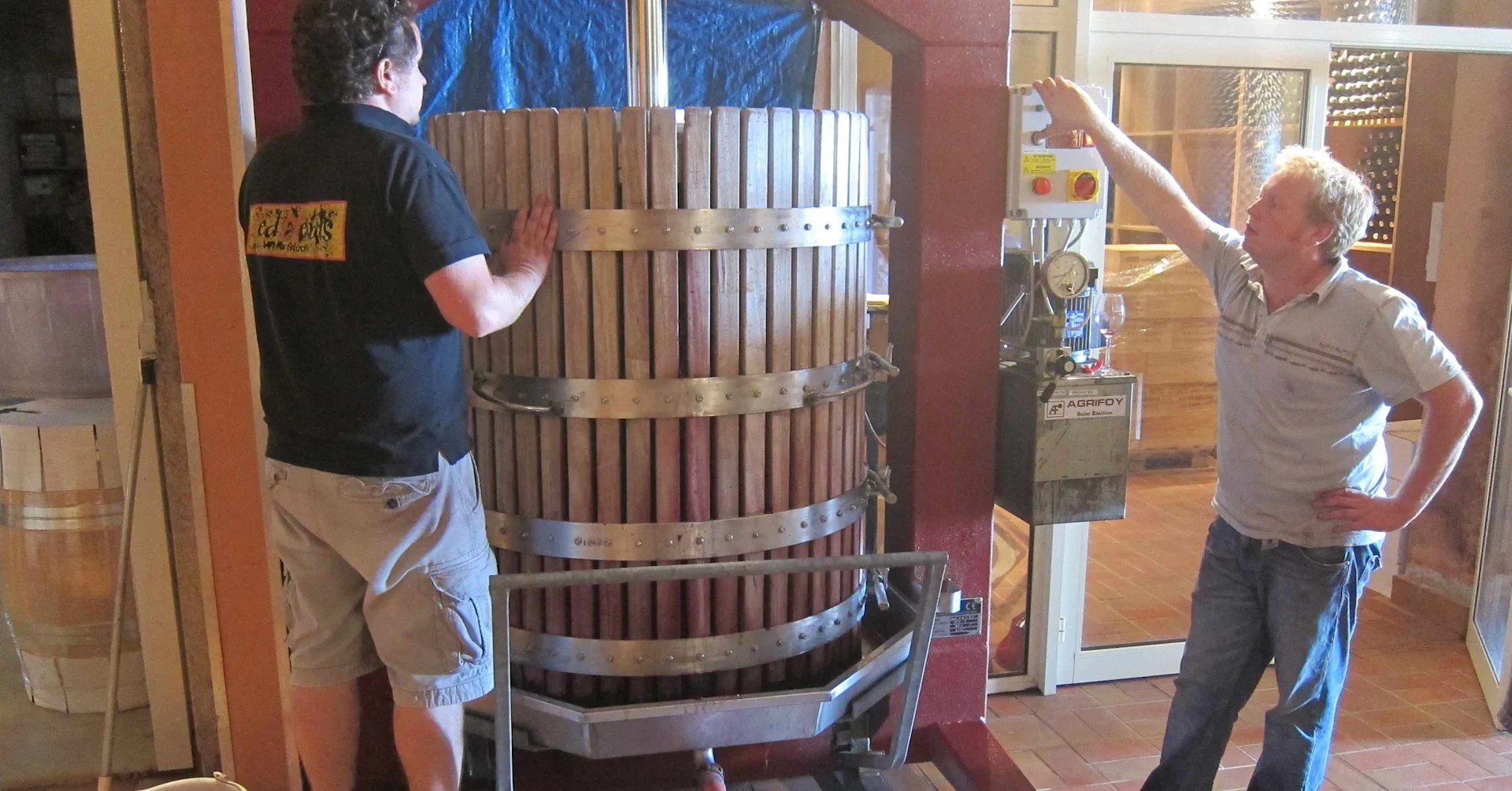
How different styles of red are made
Fresh and fruity – carbonic maceration
Most reds begin with crushing the grapes. But for some lighter reds, like Beaujolais, winemakers take whole bunches of juicy grapes and pop them straight into the vat.
Then the magic begins. The grapes at the bottom burst under their own weight, kicking off fermentation and releasing carbon dioxide. That CO₂ seeps upward, starting a sort of natural fermentation inside the intact grapes at the top. The CO₂ also prevents oxidation – which is why Beaujolais tastes so wonderfully fresh and fruity.
The result is a juicy red wine, low in tannin, with supple red berry flavours. There’s sometimes a hint of banana or bubblegum – the telltale sign for carbonic maceration.
Try: Beaujolais – best served with a slight chill and a generous plate of charcuterie.
Classic and structured – traditional fermentation with oak ageing
Here we’re talking about traditional reds, aged in barrel and often built for long ageing – think Bordeaux, Ribera del Duero or Brunello di Montalcino.
For these wines, the grapes will be given a long fermentation with the juice left in contact with the skins. This will extract plenty of tannin and colour – giving the wine a firm structure that will allow it to age beautifully.
Ageing in oak barrels can add more tannin to the wine, as well as toasty, savoury flavours. Time spent in barrel also ‘micro-oxygenates’ the wine – or in common parlance, allows it to breathe. This helps the wine mature gracefully, further adding complex savoury flavours that Bordeaux fans adore.
Try: Left Bank Bordeaux (such as Médoc) with a Sunday roast or hard cheese like Keen’s cheddar.
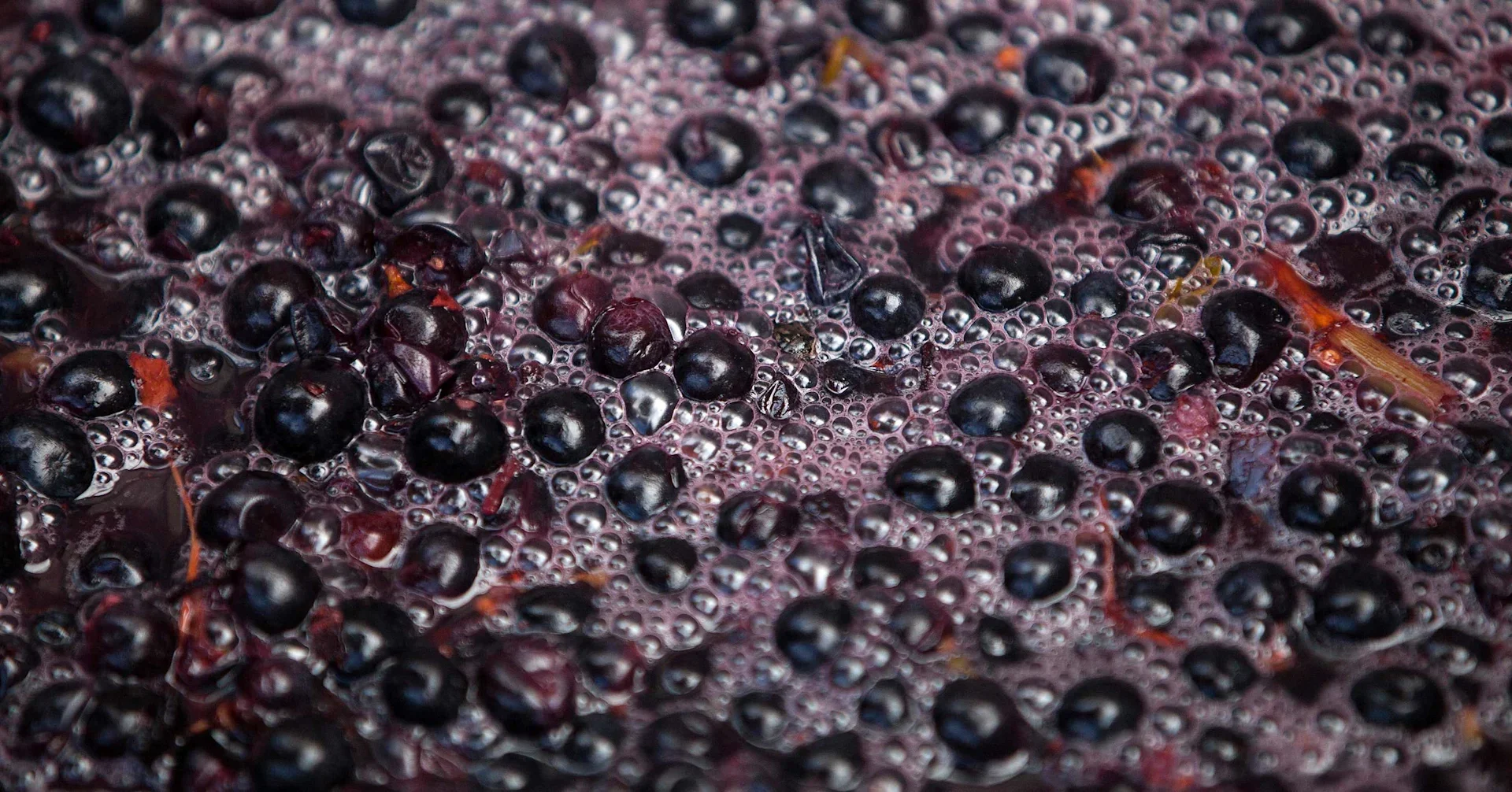
Smooth and spicy – warm climate and gentle handling
From Australian Shiraz to southern French Grenache – rich, warming, spicy reds are some of the most popular wines in our cellars.
These reds typically come from warm climates, where the grapes have more intense fruit and darker skins. Winemakers often ease up on extraction with a shorter fermentation – resulting in softer wines. If any oak ageing is used, it’ll be more subtle, just adding a touch of spice to the rich fruit.
Try: Our No.1 bestselling red, Cabalié – from southern France.
We stop at nothing to bring you great wine
For over 50 years, we've gone off the beaten track to bring you great bottles from independent wineries around the world. We taste over 40,000 bottles a year to find the 800 or so that make the final cut. Juicy reds, refreshing whites, tasty rosés, thrilling fizz - you'll find all sorts of hidden gems in our handpicked wine collection.
About the author
Chris Larkin
A seasoned copywriter with over two decades experience, Chris has been part of the team since 2021. At Laithwaites HQ, you’ll find him either working on our latest catalogue or creating informative content for our website. Qualified to WSET Level 3 Wine, Chris is as geeky about wine as he is about copywriting. But when it comes to choosing a special bottle, he is a traditionalist, and loves a good Bordeaux or Mâcon Chardonnay.