
- Home
- blog
- wines around the world
- Sip-Size Guide to Chianti
Sip-size guide to Chianti - Tuscany's Signature Red
Forget Barolo, Barbaresco and Brunello. For a true taste of Italy, head to the rolling hills of Chianti for cherry-fresh glass of Tuscany’s signature red.
This timeless classic is an absolute essential for everyone’s wine rack. Here’s why.
What is Chianti?
As with Rioja, Chablis & Champagne, Chianti is not actually a grape. It's name comes from its place of origin - a beautiful, hilly region in Tuscany, Central Italy.
Sangiovese – Italy’s No.1 red grape variety – is the powerhouse behind Chianti’s wines.
First it gives its signature aromas of cherries, sun-dried tomatoes and oregano. Second, it delivers that vibrant mouthful of sour cherry, cranberry and red plum, with subtle notes of roasted pepper and tomato, balsamic and spice.
To ensure quality and heritage across Chianti’s vast landscape, the region is organised into subzones and quality classifications that dictate what grapes must be used, where the grapes are grown and how long the wine must age.
Fun fact: Chianti was the world’s first legally demarcated wine region, long before the famous classifications of Bordeaux.
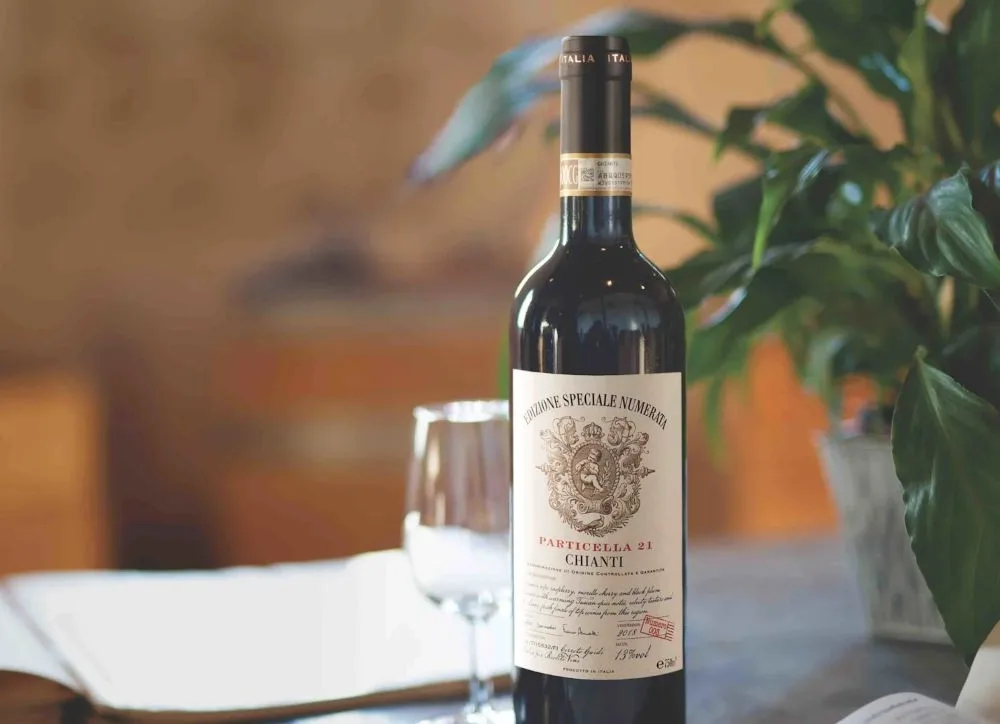
Why Is Chianti Italy’s Most Loved Red?
Put simply, Chianti smells and tastes like Italy.
Spicy, dry, coarse and fruity, it is a wine that cries out for food – particularly anything in a rich, tomatoey Italian sauce. Think everything from pizza and pasta to lasagne and grilled meats.
Just read any tasting note for this Tuscan classic.
Aromas of red fruit: from cherries, strawberry and blackberry to cranberry, currant and blueberries, with a hint of flowers – violets, a dog rose, maybe.
Then, wham, a mouthful of fabulous flavour: lively, vibrant fruit with savoury notes of balsamic, smoke, espresso even.
Tip from the Tasting Room: Collezione di Paolo Chianti - Our best-selling Chianti from Tuscany's award-winning Paolo Masi. Always delicious and top value.
Exploring Chianti’s Regions and Subzones
When shopping for Chianti, it’s easy to get lost in the sea of subzones and classifications on the label.
But once you look past this, the differences usually boil down to what grapes are in the blend, where the grapes grew, and how long the wine has aged.
To fully understand Chianti, you must first distinguish between its two primary designations:
Chianti DOCG: The broad, overarching area encompassing most of the region.
Chianti Classico DOCG: The "historic heart" of Chianti
Given how large the Chianti region is, it has been divided into eight subzones. Each produces its own Chianti wine with a distinctive name and label reflecting its unique landscape:
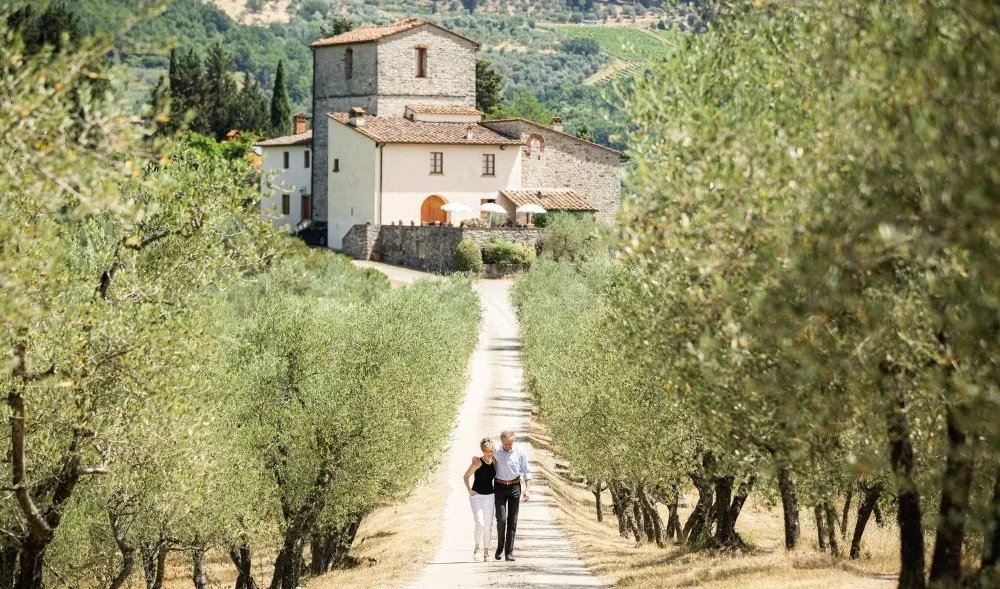
1. Chianti Classico – This is the most celebrated zone. It is produced in small quantities with the finest grapes on the oldest, best estates in the tiny, warm-climate Chianti Classico region. It must be a minimum of 80% Sangiovese, carries the famous gallo nero or ‘black rooster’ seal. Classico is aged a minimum of ten to twelve months before being released.
2. Chianti Montalbano – west of Florence: makes light and fruit-driven Chianti.
3. Chianti Rufina – east of Florence: high altitude vineyards make rugged, savoury, rich Chianti.
4. Chianti Colli Fiorentini – south of Florence: fruit-forward, smooth Chianti to be enjoyed young.
5. Chianti Colli Aretini – southeast of Florence: fresh, ripe and slightly tannic Chianti.
6. Chianti Colli Montespertoli – southwest of Florence: savoury, intense, perfumed Chianti.
7. Chianti Colli Pisane – the western-most Chianti zone: a milder climate delivers Chianti light in body and colour, with notes of soft fruit and violets.
8. Chianti Colli Senesi – an area that includes Montepulciano and Montalcino: quite meaty, robust Chianti.
Chianti’s Classifications
You can quickly narrow down your Chianti choices by looking for three markers on the label:
Made of a blend of at least 70% Sangiovese grapes. The remaining 30% is typically a blend of Merlot, Syrah and Cabernet. You can also find regional grape varieties such as Canaiolo Nero and Colorino too. These wines are aged between three and six months before release.
Chianti Riserva undergoes an even longer aging process—between 24 and 38 months. That extra time mellows the tannins in the wine and adds greater complexity and structure.
Created in 2014, Chianti Gran Selezione features grapes from the best estate vineyards grown outside the Classico region. These wines undergo at least 30 months of aging before being released.
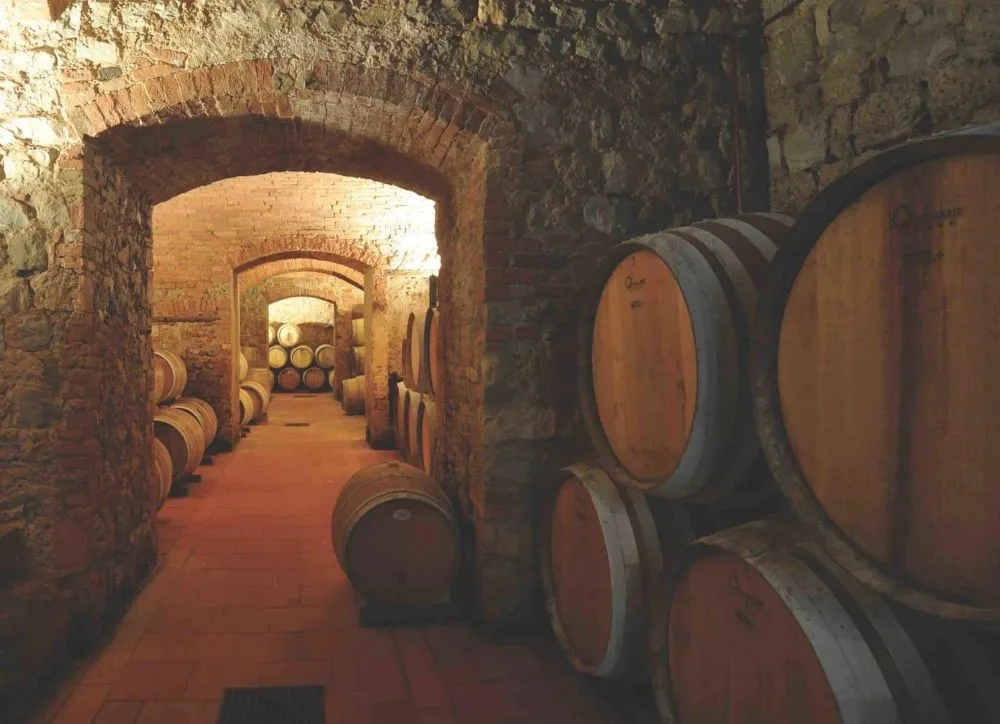
How to pick a great chianti
Not all Chiantis are created equal. With so many different types of Chianti, you may be wondering how to choose one. Here are a few tips that may help make the selection process a little easier:
1. Look at the blend.
Many Chianti wines are blends of Sangiovese and other grapes. The types of grapes that make up the remainder of the blend will add different flavours.
2. See how long the wine has aged.
Younger wines tend to be tart and fruit-forward, while aged varieties feature mellower tannins and more savoury notes.
3. Consider what you’re eating.
Chianti wine makes an excellent accompaniment to different meals. It pairs particularly well with pizza, pasta with tomato-based sources and rich meats (that’s because the high tannins cut through the fat of the meat).
We stop at nothing to bring you great wine
For over 50 years, we've gone off the beaten track to bring you great bottles from independent wineries around the world. From juicy italian reds, to refreshing whites and thrilling fizz, you'll find all sorts of hidden gems in our handpicked italian wine collection.
About the author
Richard Bull
Although good at running up hills, Richard failed to make the military cuvée and turned instead to the drinks trade. After stints at Hennessy, Oddbins and Grants of St James, he arrived at Laithwaites. Here, he spent 15 years writing about real wine and the people who make it. As he wrote from the desk to your door, he was lucky enough to visit vineyards in France, Italy, Spain and Kent.
Qualified to WSET Level 3, Richard loves the off-the-beaten track reds of the Languedoc - but is currently obsessed with Greek wine, particularly their super crisp whites.