
Red WineWhite WineRosé WineChampagne & SparklingFine WineBin Ends View All OffersMixed CasesMedal WinnersBestsellersTop RatedOnline CatalogueNEW vintage: enjoy Saint-Émilion quality for much lessWine rack essentials – just £7.99 a bottles20% OFF top Chenin from ‘Loire Winemaker of the Year’30% OFF No.1 Kiwi Sauvignon Mussel PotNo.1 luxury South African white Queen Bee – 20% OFFNEW release: 25% off the white that time forgotElite Pinot Grigio from 100-point winemaker – 25% OFFBumper Pinot Grigio deal! Just £8.33 a bottleRed WineWhite WineRosé WineChampagne & SparklingNo and Low AlcoholDessertFortifiedWine BoxesMiniaturesHalf BottlesView All WineFranceItalySpainPortugalAustraliaNew ZealandBordeauxBurgundyCavaChateauneuf Du PapeMargauxRiojaBeaujolaisChablisSancerreNapa ValleySauvignon BlancPinot GrigioMerlotMalbecPinot NoirChardonnayCabernet SauvignonRipe Smooth RedsFirm Structured RedsLight Juicy RedsCrisp Fresh WhitesRich Round WhitesPale Dry RoséBright Fruity RoséChampagne or similarFresh Fruity FizzWhat's your wine style?Red WineWhite WineChampagneEnglish SparklingDessert WineBurgundy 2024 En-PrimeurFine Wine HubView All Fine Wine Up to £5.99£6 - £7.99£8 - £9.99£10 - £14.99£15 - £24.99£25+RedWhiteRoséSparklingBestsellersBlack RedsAll Mixed CasesTrioSixTwelveBulk DealsNew Zealand Sauvignon Showcase – SAVE £54Party-ready Prosecco Six – just £8.99 a bottleClassic Bordeaux, crisis price – just £10.99 a bottleMeet your must-have Provence rosés! 30% OFFBig, rich, bold Argentinian Malbec – £12 OFFBumper Pinot Grigio deal! Just £8.33 a bottle15-bottle white wine essentials – just £7.99 a bottleAdd-on beer deal! 20% OFF Loose Cannon beersIconic Whispering Angel now just £19 a bottleSmooth Merlot Mix just £8.99 a bottle12-month Bestsellers price cap deal!Vineyard PartnersWine Gift SubscriptionsHow subscriptions workBenefits of joining a Wine ClubManage my SubscriptionsUnlimitedUnlimitedRed Wine GiftsWhite Wine GiftsSparkling GiftsGift hampersChocolate GiftsGift Boxes & AccessoriesBeer GiftsCheese & WineGift cards All GiftsEaster giftsBirthdays Congratulations Wedding Thank You Engagement Anniversary Corporate GiftsFor HerFor Him Under £30Under £50Under £100Over £100GinBrandyWhiskyVodkaRumTequilaBin EndsView All SpiritsAll BeerLagerIPABeer Mixed casesBeer OffersCiderCider OffersHawkstone - beer from Clarkson's FarmLoose Cannon - Craft beer from the heart of OxfordshireSipsmith - spirits of quality and characterWine Festival - ManchesterPartner Events Taste with Laithwaites - In StoreBordeaux Tasting TourWine Festival - LondonAbout & FAQ'sAll Events Wine GuidesUnlimitedWedding ServiceCorporate ServicesCorporate GiftsContact UsStore FinderEvents in StoreWhat's Your Wine Style?Food Pairing Guide for Alcohol-Free WinePairings for Vegan & Vegetarian DishesCrémant - The unsung hero of French FizzHow To Perfectly Pair Cheese and WineFood & Wine PairingsCelebrating Special OccasionsLearn About WineExplore all articlesWine Shop by Telegraph Media GroupThe Kew Series by LaithwaitesBritpop by Alex JamesEnglish Heritage SeriesGood Food and LaithwaitesView all partnersBROWSE ALL WINES
  • Home
  • blog
  • wines around the world
  • Understanding Wine Classifications


Wine labels can be confusing, filled with acronyms like AOC, DOC, DOCG that make them seem impossible to decipher.

It would be easy just to give up and think, ‘I know what I like, does it even matter?

But knowing the basics about wine classifications can really help you spot the good stuff.

This guide breaks down the major wine classification systems across the world so you can pick your next bottle with confidence.


French wine classifications


We could write a whole article on the wine classification system in France, or the appellation system, but let’s try and keep it simple.

Vin de France - This is the most basic level, and grapes for these wines can come from across France. Don’t rule these out though! Winemakers are allowed the most creative freedom with wines in this category and they’re often the most affordable.

Indication Géographique Protégée (IGP) - A regional designation, so the grapes for these wines come from a particular region. For example, IGP Pays d’Oc wines come from grapes from right across the Languedoc.

Appellation d'origine contrôlée/Protégée (AOC/AOP) - These wines are subject to strict regulations. Not only do the grapes have to come from a specific region, but each AOC has a set of rules that dictate what grape varieties can be used, alcohol levels, yields and more.
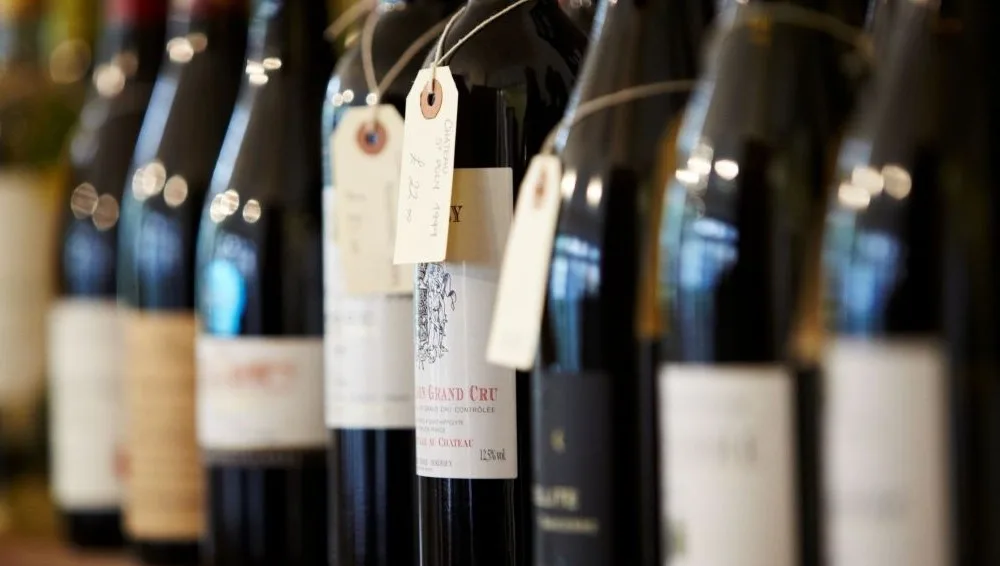
The AOC hierarchy

To make it slightly more complicated, the French have a tiered system at AOC level.

1. You start with regional AOCs eg. BordeauxBurgundy

2. Next come sub-regional AOCs like Médoc, Mâcon

3. Step up again to village/commune AOCs like Pauillac or Puligny-Montrachet

4. At the top of the table are the ‘Crus’ or vineyard AOCs eg. Montrachet Grand Cru.

But France being France, the classification systems doesn’t always stop there. In Bordeaux, look for classifications like Grand Cru Classé, Cru Bourgeois, and Crus Artisans to find top quality producers.


What’s the difference between AOC and AOP?

Sometimes you might see AOP on the label instead of AOC. It’s simply that Appellation d’origine protégée (AOP) is a European term, while AOC is the French one.

French winemakers can use either term, but they both mean the same.

Shop All French Wine


Italian wine classifications


Other wine classification systems used in Europe are similar to the French model, so once you’ve got your head around France, the rest are easy!

Vino da Tavola (VdT) or “table wine” can come from any grapes across Italy.

Indicazione Geografica Tipica (IGT) is used for wines that don’t meet the criteria for DOC or DOCG wines. For example, Super Tuscans that use a high proportion of international grapes not allowed in Chianti, are labelled IGT Toscana.

Denominazione di Origine Controllata (DOC) is based on geographical areas and the wines must be made following strict rules, similar to the French AOC wines. Examples include Soave DOC and Montepulciano d’Abruzzo DOC.

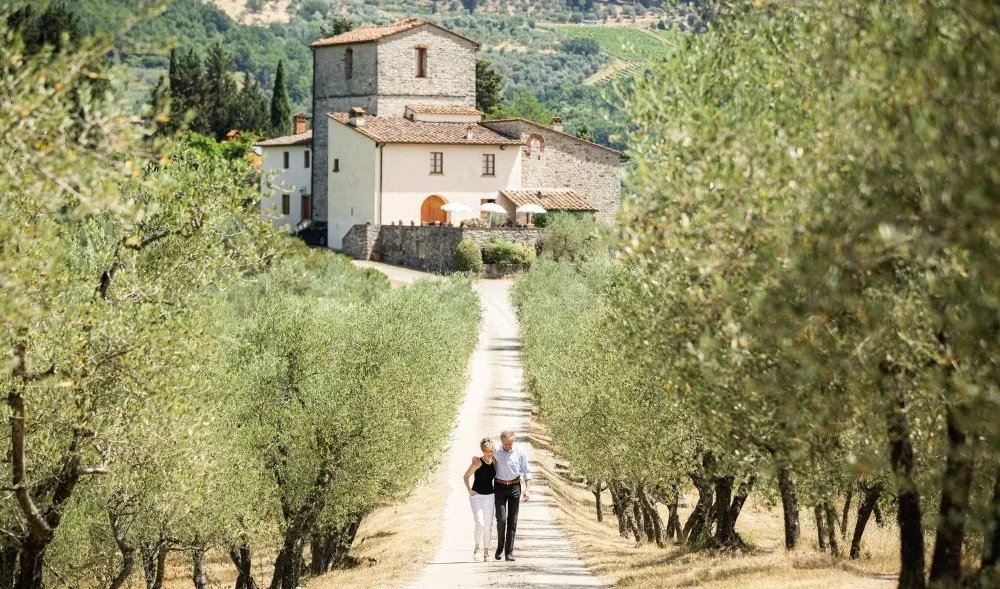
Denominazione di Origine Controllata e Garantita (DOCG) usually represents the highest quality level in Italy and includes Chianti Classico DOCG and Barolo DOCG.

You will also sometimes see Riserva on an Italian wine label. Riserva wines have a longer ageing period and it varies from one region to another. 
Shop All Italian Wine


Spanish wine classifications


In Spain, the wine classification system is slightly different again:

Vino de España - Wines are made from grapes from any region across Spain.

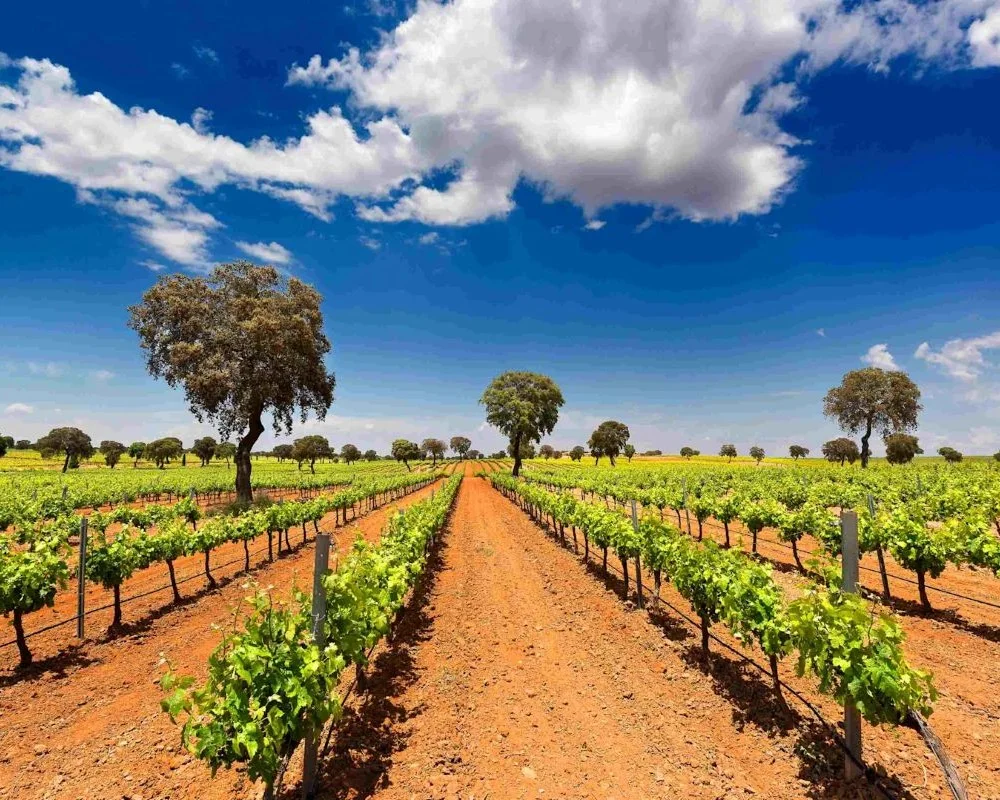
Indicación Geografica Protegida (IGP) - These wines don’t have to adhere to the strict regulations of DOP wines and the geographical areas they cover tend to be much wider. The wines are labelled with the VT (Vino de la Tierra) they come from. For example, VT Castilla y León.

Denominación de Origen Protegida (DOP) - Ensures stringent quality regulations are followed and every stage of production must happen within the region. Within this there are four subcategories:

  1. Vino de Calidad con Indicación Geográfica (VC) is effectively a stepping stone to becoming a DO. A region must spend a minimum of 5 years as a VC before applying to become a DO.
  2. Denominación de Origen (DO) is the most widely used. Most of Spain’s wine regions are DOs, from Rías Baixas DO  to Valencia DO.
  3. Denominación de Origen Calificada (DOCa) is reserved for regions with particularly stringent quality controls. At the moment, there are just two: Rioja DOCa and Priorat DOCa (or Priorat DOQ in Catalan) 
  4. Vino de Pago (VP) is a new category for single estates with a high reputation. There are currently only a small number of estates with VP status.
Ageing terms in Spain

In Spain, arguably more importance is given to the ageing classification system. These rules can vary from one region to another but in Rioja, it looks like this:

  • Joven: wines that have had no or minimal oak ageing.
  • Crianza: wines must spend at least one year in oak barrel and one year in bottle before release.
  • Reserva: wines spend a minimum of one year in oak barrel and two in bottle. These often have the potential to age even further.
  • Gran Reserva: wines spend at least two years in barrel and three in bottle. These are only made in the best vintages and from the finest grapes.

It’s worth noting that some producers are moving away from using these terms and instead focusing on single vineyards or varieties rather than ageing. In other words, a Spanish wine or Rioja can still be great, even if these ageing terms are not mentioned on the label.

Shop All Spanish Wine


German wine classifications


Often considered the most complex wine classification system, Germany categorises its wines according to geographical areas, like France, Spain and Italy.

But in addition, the wines are classified according to the ripeness levels of the grapes and sometimes the grade/quality of the specific vineyard.

Deutscher Wein – These come from grapes across Germany and are rarely seen in the UK.

Deutscher Landwein – These wines must come from one of Germany’s designated wine regions and contain less than 18g of sugar per litre.

Qualitätswein – These not only come from specific wine regions but must follow regional regulations, including the ripeness of the grapes. Qualitätswein wines are usually labelled with their sweetness level eg. Trocken (dry) or Halbtrocken (off-dry).

Grosse Gewächs (GG) – A term that can only be used by members of the VDP (Verband Deutscher Prädikatsweingüter), a group that represents Germany’s top producers. GG’s are always dry, from the producers ‘Grand Cru’ Grosse Lage vineyards and usually made from Riesling.  

Prädikatswein – This is the highest quality category for German wines and within this classification.

The Prädikatswein Sweetness Scale

There are subcategories within the  Prädikatswein system that indicate the ripeness and quality levels of the grapes at harvest. It is important to know that none of these wines have been sweetened, the sweetness comes entirely from the ripeness of the grapes. ·       

Kabinett: Light in style and range from dry to medium

Spätlese: Means ‘late harvest’ and these are usually medium-sweet unless labelled

Trocken Auslese: Means ‘select harvest’ and are sweeter again

Beerenauslese: Means ‘berry select harvest’ and are usually from grapes left on the vine to shrivel from noble rot – like Sauternes in France. Very sweet.

Trockenbeerenauslese: Rich, sweet dessert wines made from select, overripe, precious grapes.

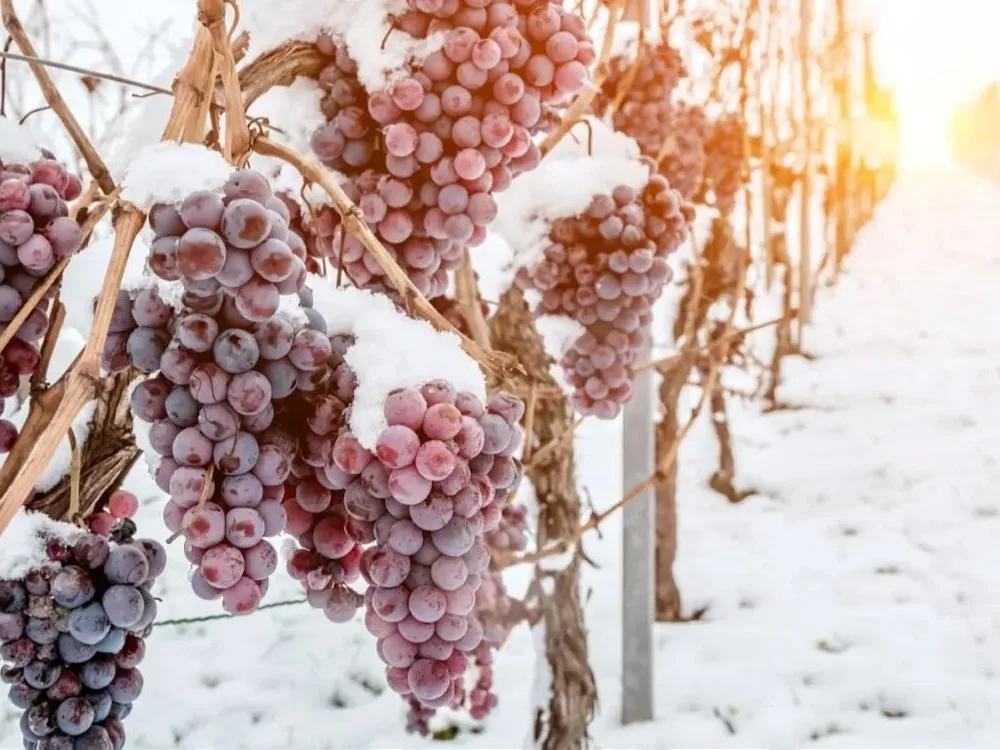
Eiswein: Made from grapes that have been picked while frozen on the vine, these are very sweet.
Shop All German Wine


wine classifications outside europe


Most countries in Europe follow a similar wine classification system to those outlined above.

But you’ll be glad to know, outside of Europe, there are far fewer wine classifications to try and understand!  

Most countries will simply label their wines using the grape variety and the region that it comes from. They rarely impose specific rules over the winemaking process and generally, winemakers have more freedom to experiment with different grape varieties and winemaking techniques.


About the author

Greg Roberts

Greg is an in-house wine educator for Laithwaites and has taught the Wine & Spirit Education Trust (WSET) courses as far afield as the US, Australia, India, and the Caribbean. Greg hosted Laithwaites ‘Wine Wisdom’ and cocktail series on YouTube, and tastes over 1000+ wine blind a year to keep his palate sharp.

As any of his students will tell you, Greg loves a good Riesling – but will enjoy anything, ‘as long as it’s good’!


We stop at nothing to bring you great wine

For over 50 years, we've gone off the beaten track to bring you great bottles from independent wineries around the world. We taste over 40,000 bottles a year to find the 800 or so that make the final cut. Juicy reds, refreshing whites, tasty rosés, thrilling fizz - you'll find all sorts of hidden gems in our handpicked wine collection.

Shop All Wine
money back guarantee icon

100% MONEY-BACK

Guarantee

free delivery icon

Free Delivery

on 12+ bottles

award winning icon

Award-Winning

Wines & customer service

trustpilot icon

Excellent

Rating