

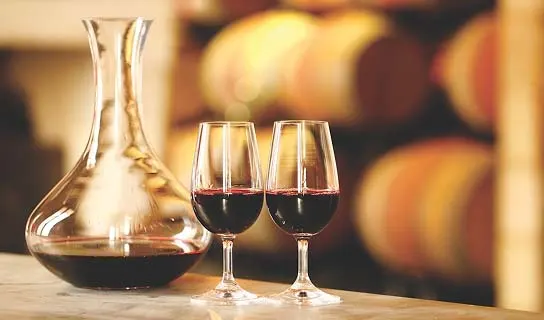
What makes a wine fine? What are the best ones to buy? And once you’ve bought a fine wine, how do you store it? We answer all this (and more) in our quick-start guide.
Filter by
- Only 43 left
 Rich Round Whites
 FranceChardonnay£48.00 per bottle(£64.00 per litre)
 - Only 48 left
 Rich Round WhitesFranceChardonnayfrom £50.00 per bottle(£66.67 per litre)
 - Only 12 left
 Rich Round WhitesFranceChardonnay£375.00 per bottle(£500.00 per litre)
 - Only 29 left
 Crisp Fresh WhitesFranceChardonnayfrom £55.00 per bottle(£73.33 per litre)SAVE UP TO £10.00
 - Only 18 left
 Firm Structured RedsFranceCabernet Franc-based blendfrom £545.00 per bottle(£726.67 per litre)
 - Only 30 left
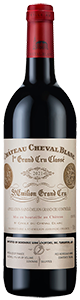 Firm Structured RedsFranceCabernet Franc-based blendfrom £325.00 per bottle(£433.33 per litre)SAVE UP TO £225.00
 - Only 1 left
 Firm Structured RedsFranceMerlot-based blend£22.00 per bottle(£29.33 per litre)
 - Only 12 left
 Rich Round WhitesFranceSémillon-based blend£330.00 per bottle(£440.00 per litre)
 - Only 3 left
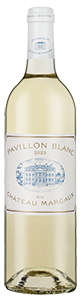 Rich Round WhitesFranceSémillon-based blend£275.00 per bottle(£366.67 per litre)SAVE £60.00
 - Only 25 left
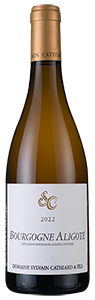 Rich Round WhitesFranceAligotéfrom £45.00 per bottle(£60.00 per litre)SAVE UP TO £5.00
 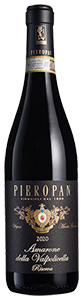 Ripe Smooth Reds
 ItalyCorvina£60.00 per bottle(£80.00 per litre)
- Only 2 left
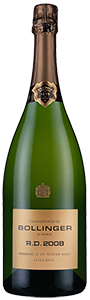 Champagne or SimilarFrancePinot Noir-based blend£500.00 per bottle(£333.33 per litre)SAVE £150.00
 - Only 17 left
 Champagne or Similar
 United KingdomChardonnay-based blend£59.00 per bottle(£39.33 per litre)SAVE £20.00
 - Only 18 left
 OtherFranceWhite blend£125.00 per bottle(£166.67 per litre)
 - Only 12 left
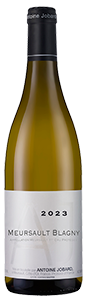 Rich Round WhitesFranceChardonnay£145.00 per bottle(£193.33 per litre)
 - Only 18 left
 Light Juicy RedsFrancePinot Noir£75.00 per bottle(£100.00 per litre)
 - Only 6 left
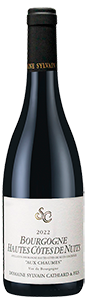 Light Juicy RedsFrancePinot Noirfrom £85.00 per bottle(£113.33 per litre)SAVE UP TO £15.00
 - Only 15 left
 Rich Round WhitesFranceChardonnay£100.00 per bottle(£133.33 per litre)
 - Only 15 left
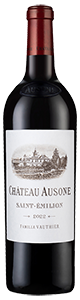 Firm Structured RedsFranceCabernet-based blend£465.00 per bottle(£620.00 per litre)SAVE £320.00
 - Only 2 left
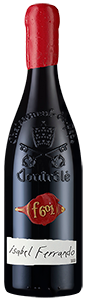 Firm Structured RedsFranceCinsault£375.00 per bottle(£500.00 per litre)SAVE £185.00
 - Only 6 left
 Rich Round WhitesFranceChardonnay£130.00 per bottle(£173.33 per litre)
 - Only 6 left
 Rich Round WhitesFranceChardonnay£130.00 per bottle(£173.33 per litre)
 - Only 24 left
 Rich Round WhitesFranceChardonnay£130.00 per bottle(£173.33 per litre)
  Light Juicy RedsUnited KingdomPinot Noirfrom £30.00 per bottle(£40.00 per litre)when you mix 12+
PERSONALISED ADVICE FROM PEOPLE WHO LOVE WINE
Imagine having a buddy behind the scenes who loves wine, has an intimate knowledge of our range, and knows exactly what you like.
That’s what you get with your very own Personal Wine Guide - someone you can call up with those niggling questions you’ve always wanted to ask. No hard sell. No wine snobbery.
And the best bit? Having your own Wine Guide is completely free.
Frequently asked questions
What is considered fine wine?
While there’s no official definition, fine wines are broadly speaking those that come from the best vineyards and are made with the highest degree of care and attention. As a result, these wines will have greater balance and more complex, nuanced flavours – and will often have the potential to age gracefully. They are usually made in limited quantities, and often have rarity value, too.
What are the best-known regions for fine wine?
Mention fine wine and most people probably think of well-established classics like and Bordeaux and Burgundy in France, Rioja and Priorat in Spain, or Piedmont in Italy. These have (for the most part) well-established classification systems – which makes it easier to tell when they fall into the fine wine category.
In Bordeaux for example, a wine classified simply as Bordeaux AOC would be unlikely to be classed as fine wine. A Médoc AOC on the other hand (from a more limited region on Bordeaux’s Left Bank) is certainly approaching fine wine territory.
Step up to Pauillac or Margaux (the top regions in the Médoc) and few would argue that we’re talking fine wine. And then you have the top wines of those regions – culminating in First Growths, or Premier Cru. These are among the finest wines in the world.
You’ll find similar classification systems in many of the well-established classic wine regions throughout Europe – and in general, the finer wines, like Chianti Classico, come from the heart of the more generic wine regions.
This is just a tiny snapshot of the amazing world of fine wine that is out there for you to discover.
For red wine lovers there are hidden treasures like Priorat in northern Spain, or the graceful Pinot Noirs of New Zealand’s Central Otago region.
White wine fans can look beyond Burgundy to Russian River Chardonnays (from the US) or the ultra-fine Rieslings of the Rheinhessen.
And for dessert wines, look beyond
Sauternes to the exquisite sweet wines of Tokaji in Hungary. There’s so much to
explore.
Is fine wine a good investment?
Wine certainly can be a good investment financially – but you need to be careful how you go about it. We’d certainly advise speaking to a specialist.
We prefer to see fine wine as an investment in taste. Lay down the right bottles for a few years and you’ll have a collection that will more than repay your patience – and a drinking experience like no other.
When can I expect my wine delivery?
The day of your delivery will depend on which option you’ve chosen at checkout.
- For a standard delivery, we will deliver your order in 2-3 days.
- Delivery to the Scottish Highlands, some other areas of Scotland, Northern Ireland and offshore islands can take an extra few days.
- Usual delivery times are between 07.00 and 21.00.
- You can select Next-day or Named-day delivery at checkout – but do bear in mind we don’t deliver on Sundays or Bank Holidays.
For the best experience we recommend you subscribe to our Unlimited service. A one-off payment of £29.99 entitles you to free delivery for a year – including free Next-day delivery. There’s no minimum order – you’ll get free delivery even on a single bottle. And you can get delivery to multiple addresses, so it’s perfect for gifting!
Do you have a money-back guarantee?
We want you to be entirely happy with your chosen wine, so we offer an unbeatable money-back guarantee on every single bottle – even wines you buy on sale.
No quibbles. No questions. Just your 100% satisfaction.
If you aren't happy for any reason, get in touch and we’ll arrange to collect your bottle within 48 hours.
Can I get a Fine Wine subscription?
Yes! It’s quick and easy to join our Wine Club.
You’ll start discovering new wines for less right away – and once you’re in you can easily tailor your subscription to your needs.
Want to skip or delay a delivery? No problem. Fancy a different style? We’ve a wide range to choose from. Want to swap in some of your favourite wines? It’s easy to do online. We’ll send a reminder email the week before delivery so you’ll have time to make any changes you like.


