Filter by
Filter by
Margaux Wine
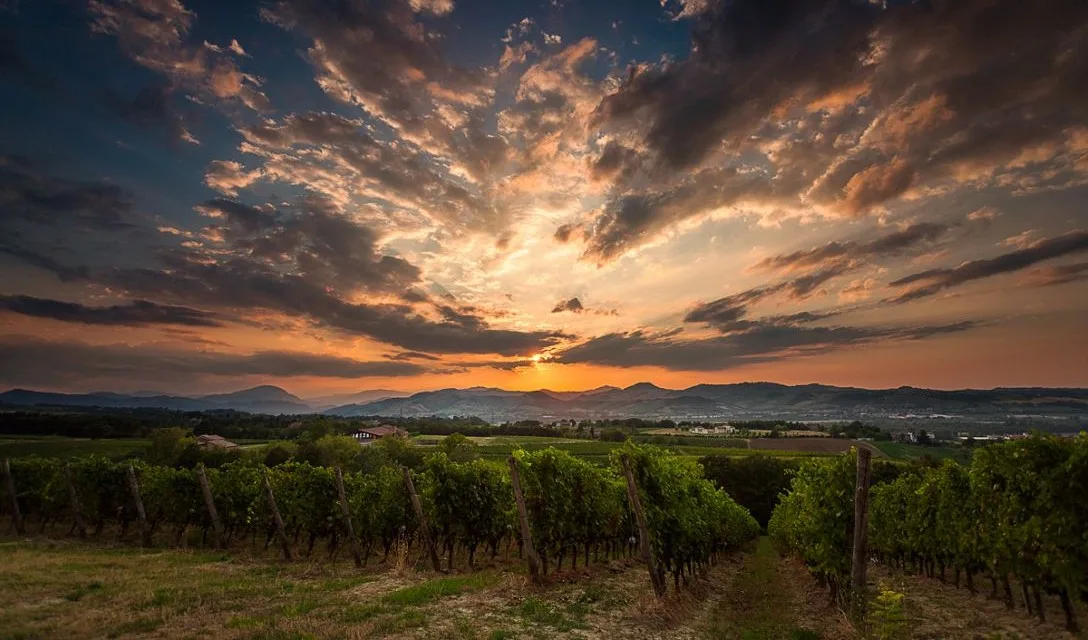
Margaux is a prestigious wine region in the Médoc district of Bordeaux, in southwest France. It is renowned for producing some of the world’s finest and most elegant red wines, made predominantly from Cabernet Sauvignon. These sophisticated red blends impress with rich berry flavours, coupled with heady blossom and earthy aromas. Shop our selection and find your new favourite Bordeaux wine here.
Sort by:
Results Per Page:
1
Page 1 of 1
- £80.00 per bottleSAVE £10.00
- Super impressive 97-98pt second growth Margaux - "such precision and gorgeousness" said Suckling
France
Cabernet-based blend£120.00 per bottle - £283.00 first instalment
- Showing (1 to 3 of 3)
1
Page 1 of 1
What are the best-known Margaux wines?
Margaux is home to several notable châteaux producing acclaimed red wines:
- Château Margaux – As one of the five First Growths in the 1855 Bordeaux Classification, Château Margaux is also one of the most famous. Its flagship wine is opulent, balanced and deeply complex, with flavours of dark berries, violets and a hint of spice, along with remarkable ageing potential.
- Château Palmer – Although classified as a Third Growth, Château Palmer is held in extremely high esteem and is considered by many to produce wines on par with the First Growths. The château is known for its high proportion of Merlot in the blend. Château Palmer wines are rich, supple and elegantly complex, with notes of plums, blackcurrants, roses and a touch of tobacco.
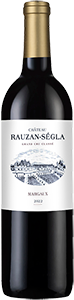
- Château Rauzan-Ségla – This Second Growth estate produces stylish, refined wines with good ageing potential. Expect intense dark fruit flavours melded with earthy undertones and a distinct oaky influence.
- Château Lascombes – Another Second Growth, Château Lascombes wines are full-bodied and rich, with a distinct aroma of black cherries, blackcurrants and spices, complemented by a velvety texture.
- Château Brane-Cantenac – Another Second Growth, Château Brane-Cantenac is recognised for its consistent production of sophisticated, pure and aromatic wines.
- Château Durfort-Vivens – A Second Growth estate, Château Durfort-Vivens has been growing in reputation for its high-quality organic and biodynamic wines.
- Château Dauzac – This Fifth Growth estate is gaining attention for its increasingly impressive wines, marked by their strong tannic structure and excellent ageing potential.
While these are some of the most well-known estates, there are numerous other châteaux in Margaux producing exceptional wines that express the unique characteristics of this renowned appellation.
What foods pair well with Margaux?
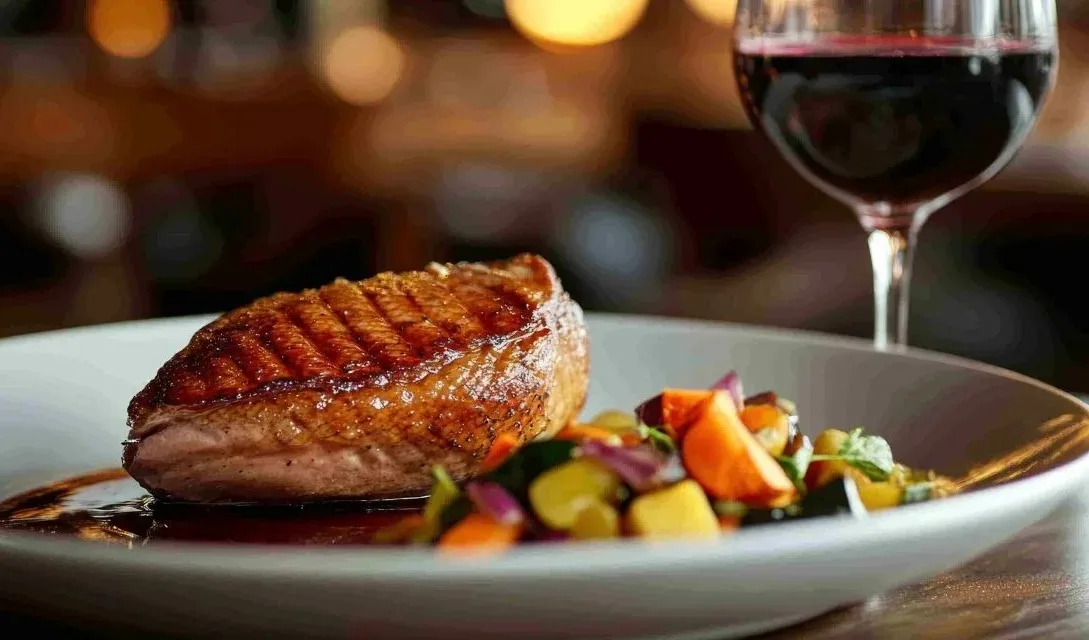
Margaux wines, known for their elegance and aromatic complexity, pair well with a wide array of foods. For a classic pairing, go for roast lamb or beef dishes. The wine’s structure and tannins complement the rich, savoury flavours of the meat, while the dark fruit notes in the wine are a delightful contrast.
For a taste of luxury, try pairing Margaux wines with truffle-based dishes. The earthy truffle flavours bring out similarly earthy hints in the wine, creating a balanced match. Margaux wines pair beautifully with game meats such as venison or wild boar. The robust flavours of the game stand up to the complexity and intensity of the wine.
Hard, aged cheeses like Comté or Gouda also work well with Margaux, as the wine’s tannins cut through the fat, creating a balanced and delightful pairing.
Margaux’s aromatic complexity also means it is an excellent partner for dishes with a range of herbs and spices, from rosemary-crusted roast chicken to spiced lentil stews.
How to serve Margaux
Like most full-bodied reds, Margaux wines are best served slightly below room temperature, around 16-18°C. They typically benefit from decanting, which allows the wine to breathe and helps to soften the tannins. The need for decanting and how long it takes depends on the age of the wine. Younger wines may benefit from two to three hours of decanting, while older, more delicate wines may need less time or possibly no decanting at all.
Serve Margaux in a large, round wine glass such as a Bordeaux-style glass.
Older vintages of Margaux should be handled with care, as they may contain sediment. Once stood upright, allow the bottle to rest for a day or two before opening to let the sediment settle at the bottom. When ready to serve, pour slowly to prevent the sediment from reaching the glass.
When can I expect my wine delivery?
The day of your delivery will depend on which option you’ve chosen at checkout.
- For a standard delivery, we will deliver your order in three to five working days. Delivery to the Scottish Highlands, some other areas of Scotland, Northern Ireland and offshore islands can take an extra few days.
- Usual delivery times are between 07.00 and 21.00.
- You can select Next-day or Named-day delivery at checkout – but do bear in mind we don’t deliver on Sundays or Bank Holidays.
For the best experience we recommend you subscribe to our Unlimited service. A one-off payment of £29.99 entitles you to free delivery for a year – including free Next-day delivery. There’s no minimum order – you’ll get free delivery even on a single bottle. And you can get delivery to multiple addresses, so it’s perfect for gifting!
Do you have a money-back guarantee?
We want you to be entirely happy with your chosen wine, so we offer an unbeatable money-back guarantee on every single bottle – even wines you buy on sale.
No quibbles. No questions. Just your 100% satisfaction.
If you aren't happy for any reason, get in touch and we’ll arrange to collect your bottle within 48 hours.
Can I get a wine subscription with Laithwaites?
Yes! It’s quick and easy to join our Wine Club.
You’ll start discovering new wines for less right away – and once you’re in you can easily tailor your subscription to your needs.
Want to skip or delay a delivery? No problem. Fancy a different style? We’ve a wide range to choose from. Want to swap in some of your favourite wines? It’s easy to do online. We’ll send a reminder email the week before delivery so you’ll have time to make any changes you like.